
Electric Vehicle Charging Station Installation for Residences
Installing an electric vehicle charging station at home is essential as EV usage rises. You'll want to choose between Level 1 and Level 2 chargers based on your needs. Make sure your installation site is near the electrical panel and meets safety codes. Hiring a licensed electrician will help you navigate permits, connections, and compliance. Plus, look into available incentives to save on costs. Discover how to optimize your setup for today's electric vehicle landscape.
Key Takeaways
- Choose a suitable site close to the electrical panel to minimize installation costs and ensure accessibility for charging.
- Install a Level 2 charger with a dedicated 240-volt circuit, requiring 30 to 100 amps for optimal performance.
- Obtain necessary electrical permits and hire licensed electricians for safe and compliant installation.
- Regularly inspect charging cables and connectors for wear, and ensure proper maintenance for safety and efficiency.
- Take advantage of federal and state incentives, such as tax credits and rebates, to reduce installation costs significantly.
Understanding Charger Types and Power Levels
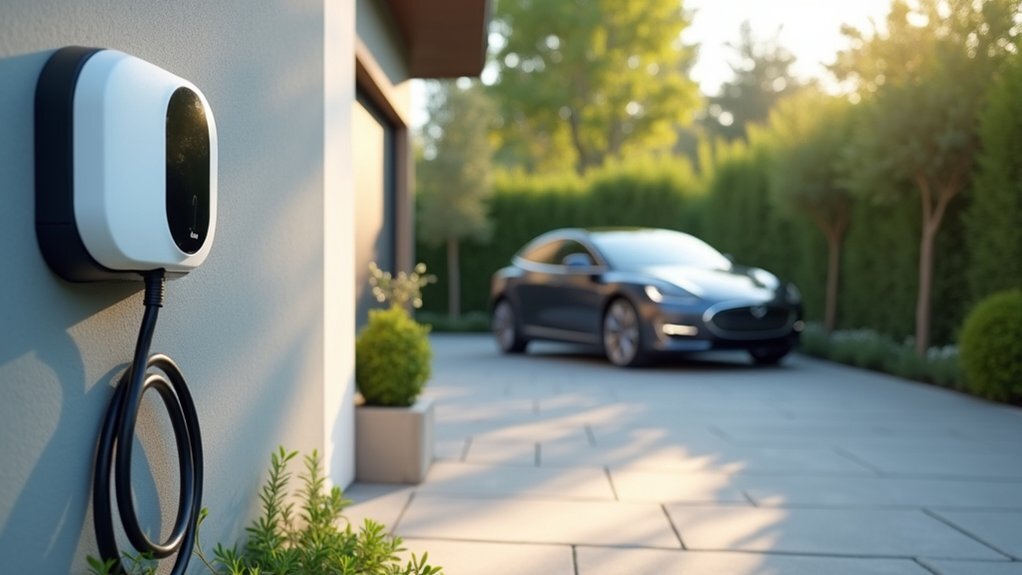
When you're considering the installation of an electric vehicle (EV) charger, it's essential to understand the different types and power levels available. Level 1 chargers use standard 120-volt outlets and are perfect for overnight charging, providing about 3 to 5 miles of range per hour. They're typically portable and require no special installation, making them a convenient option for infrequent charging. On the other hand, Level 2 chargers operate on 208-240 volts, delivering 12 to 80 amps, which allows for considerably faster charging—up to 35 miles of range per hour. While Level 1 suits low daily driving needs, Level 2 is ideal for more regular use, especially for those who need quicker charging times at home. Additionally, public charging stations are increasingly available in communities, offering more options for EV drivers.
For residential electrical services that include EV charging station installation, experienced electricians can help you determine the best charger type for your specific needs and driving patterns.
Evaluating Your Installation Site and Mounting Options
Choosing the right location for your electric vehicle (EV) charger plays a significant role in the overall efficiency and convenience of your charging setup. Start by selecting a spot close to your main electrical panel to cut down on wiring costs. Make sure the charger's mounting site is easily accessible for your vehicle and that the charging cable can comfortably reach. Decide if you want the charger indoors or outdoors, as this impacts product ratings. Consider future needs, like accommodating multiple EVs. For mounting, wall-mounted options are great for garages, while standalone pedestals offer flexibility but can be pricier. Always evaluate the physical security of the site to protect against theft or vandalism. Additionally, ensure that the chosen location allows for future scalability of charging stations, which can help accommodate potential increases in EV usage.
Assessing Electrical Requirements and Connections
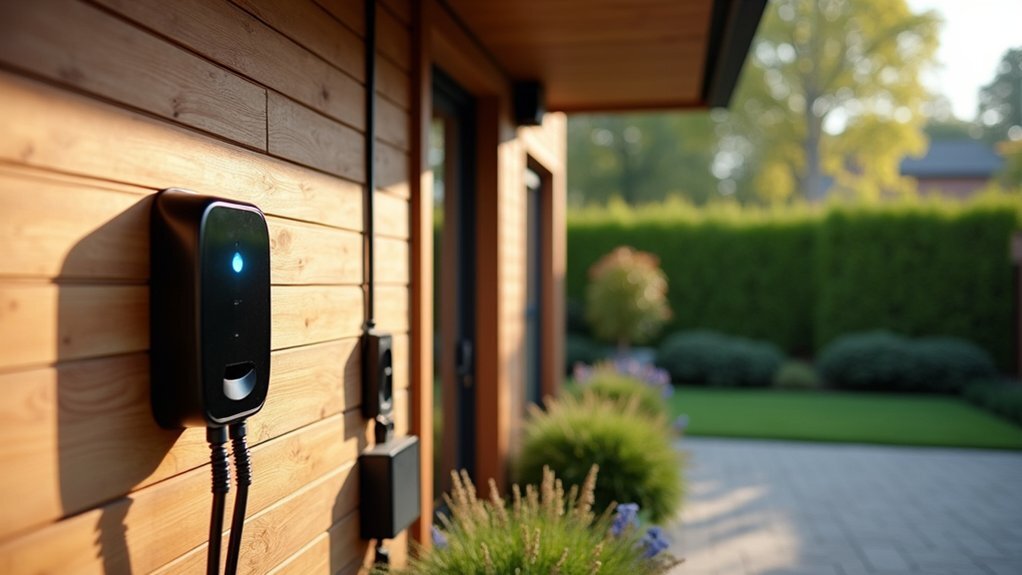
Before installing your electric vehicle (EV) charger, it's important to assess the electrical requirements and connections to guarantee a safe and efficient setup. Start by checking your electrical panel capacity; older panels may only deliver 30 to 100 amps, while newer homes often provide 200 amps. Level 2 chargers need dedicated 208/240-volt circuits with 30 to 100 amps, so a licensed electrician should perform a load calculation to confirm your panel can handle the additional load. Remember, dedicated circuits and compliant wiring are vital to avoid overloads. A NEMA 14-50R outlet is ideal for Level 2 charging. Additionally, the main panel typically delivers 120 volts per circuit, which is insufficient for EV chargers, making it crucial to ensure your system is upgraded accordingly. Don't forget about safety—install GFCIs and confirm your setup meets local codes to prevent hazards.
Professional electrical contractors can perform comprehensive load calculations and ensure your home's electrical system can safely support your new EV charging station.
Navigating Permitting, Codes, and Inspections
Installing an electric vehicle (EV) charging station involves more than just evaluating your electrical needs; you also have to navigate the permitting process and comply with various codes and inspections. Generally, you'll need an electrical permit to guarantee safety and adherence to local building codes. You can apply online or in person, providing details on your electrical upgrades and the charger's location. As a homeowner, you can't install it yourself; only licensed electrical contractors can apply for permits. Once installed, a certified electrical inspector must check the setup to verify it meets all codes, including grounding and circuit capacity. You can't energize your charger until you get final approval, so plan for potential delays in the inspection process. Additionally, securing a permit is essential to prevent any citations or fines related to your installation.
Planning for Utility Coordination and Future Expansion
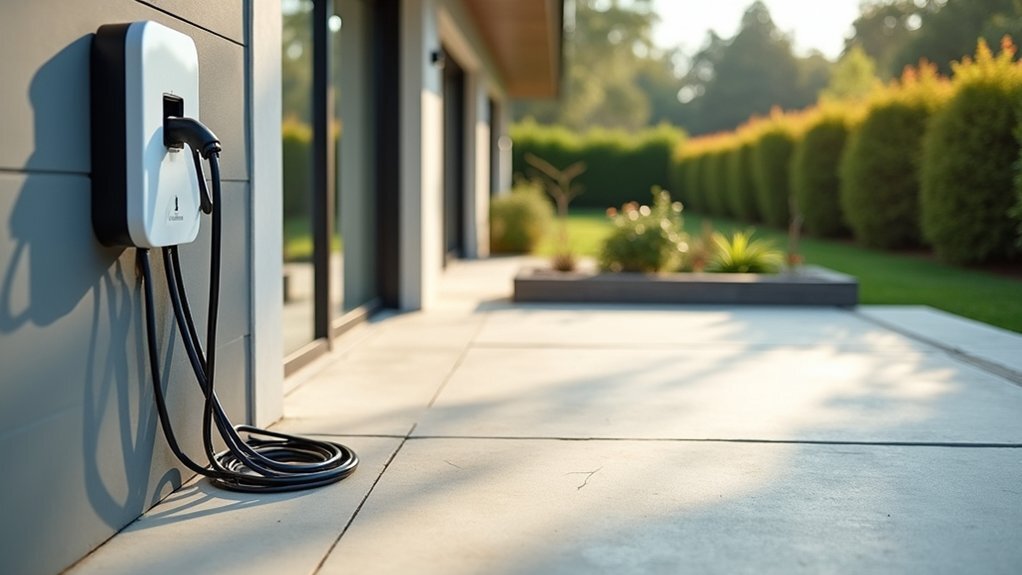
As you plan for an electric vehicle charging station, coordinating with your utility provider early on is essential to secure you meet both current and future demands. Utility service planners will assess if upgrades or new services are necessary for your charging needs. Contract a licensed electrical contractor to evaluate your electrical system and confirm it can handle the additional load. File the required work orders and forms to secure utility approval before installation. Also, consider make-ready infrastructure for future expansions, like conduits and wiring. Engage with your utility to explore special EV rate plans and incentives, and be aware of load management technologies that can help optimize your charging experience as demand grows. High-amperage loads require professional installation to prevent fire hazards and equipment damage.
Overview of the Installation Process
While the installation process for an electric vehicle charging station may seem challenging, breaking it down into manageable steps can simplify your experience. Start by evaluating the site, ensuring the charger's location is close to the electrical panel and verifying structural support for secure mounting. Check for a 240V circuit; if it's unavailable, plan for an upgrade. Gather necessary tools and materials before you begin. Additionally, consider that having a home charging station can significantly enhance the overall experience of owning an electric vehicle.
Next, focus on electrical wiring and circuit setup, using the correct wire gauge and ensuring compliance with safety codes. Obtain the required permits and engage licensed electricians for compliance. Finally, mount the charger securely, connect it, and test its operation with your vehicle to confirm functionality. This organized approach will streamline your installation process.
For comprehensive EV charging installation services in the Arlington area, qualified electricians can guide you through every step of the process from initial assessment to final testing.
Selecting the Right Charger for Your Home
How do you choose the right charger for your home? Start by considering the type of charger you need. Level 1 chargers are slow and best for occasional use, adding only about 3 to 5 miles of range per hour. In contrast, Level 2 chargers are faster, providing 12 to 80 miles of range per hour, making them a popular choice for home installations. Look for chargers with adjustable power ratings, like the ChargePoint Home Flex, which can accommodate your electrical capacity. Confirm compatibility with your vehicle's connector—most use SAE J1772, while Teslas need a NACS connector. Additionally, consider options like the Emporia 48-Amp Charger, which offers a maximum power of 11.5 kW and flexible installation choices. Also, consider smart features for monitoring and scheduling. Choose wisely to enhance your EV charging experience!
Importance of Professional Installation
When you consider installing an electric vehicle (EV) charger at home, professional installation shouldn't be overlooked. Licensed electricians guarantee compliance with local and federal regulations, steering through the permitting process to avoid delays. Their expertise prevents hazards by correctly handling electrical connections, mitigating risks like shocks and electrical fires. With proper installation, you'll avoid overloading circuits, safeguarding your home's electrical system. Professionals optimize charger performance, assuring your EV charges efficiently and quickly, while also protecting battery health. Additionally, a professional installation can enhance your home's value, attracting environmentally conscious buyers. By investing in professional help, you prevent costly DIY mistakes and maintain warranty eligibility, ultimately saving you money in the long run. This is especially important as the projected need for 28 million EV chargers by 2030 signifies a growing demand for reliable charging solutions.
Experienced residential electricians understand the complexities of EV charging installation and can ensure your system meets all safety standards while maximizing performance and efficiency.
Safety Considerations During Installation
Professional installation sets the stage for a safe and efficient EV charging setup, but it's equally important to focus on safety considerations during the installation process. First, verify your charger has a dedicated circuit to handle the load safely, ideally a 240-volt line. Older wiring might need evaluation or upgrades by a qualified electrician. Use only certified equipment and comply with local electrical codes to avoid hazards. Weatherproof your charging station if it's outdoors, and position it away from damp areas. Regular inspections of cables and connectors are essential to detect wear. Install RCDs or GFCIs for added protection against faults. Finally, ensure proper equipment is used to handle the electrical loads and conditions expected. Keep fire safety equipment nearby to handle any emergencies effectively.
Utilizing Incentives and Rebates for Cost Savings
Taking advantage of available incentives and rebates can greatly reduce the costs associated with installing an EV charging station at home. The federal government offers a Home Charging Station Tax Credit of up to 30% of the purchase and installation costs, capped at $1,000. This credit covers expenses for the charger, installation labor, and even associated energy storage systems. Many states, like Texas, provide additional rebates that can cover up to 50% of installation costs. Furthermore, utility companies often provide rebates for EV charging installations, which can enhance your overall savings. You can further maximize savings by combining your EV charger installation with other projects, like solar panel setups. Just verify to research your state's eligibility requirements to guarantee you're getting all the benefits available for your installation.
Frequently Asked Questions
How Long Does It Take to Fully Charge an Electric Vehicle at Home?
Charging an electric vehicle at home can take anywhere from 8 to 24 hours, depending on the charger type and battery size. With a Level 1 charger, you might need up to 24 hours for a full charge, while a Level 2 charger can typically charge most EVs in about 6 to 8 hours. If you drive less daily, a Level 1 charger might work, but for faster charging, a Level 2 is ideal.
Can I Install a Charger Myself Without a Professional?
You can install a charger yourself, but it's risky if you lack electrical knowledge. Many jurisdictions require a licensed electrician to guarantee safety and compliance with local codes. DIY installations can lead to hazards like fire or electric shock, and you might void your home insurance. It's often best to consult a professional for guidance or installation, ensuring everything's done correctly and meets safety standards while protecting your investment.
What Happens During a Charger Installation Inspection?
During a charger installation inspection, inspectors check your installation against local codes and approved permits. They verify all electrical connections, GFCI protection, and guarantee safety features work correctly. You'll see them conduct functionality tests and confirm proper labeling. They document their findings and provide a pass/fail status. If everything meets the requirements, you'll be cleared to energize your charger, but any issues found must be resolved before you can proceed.
Are There Specific Brands of Chargers That Are Recommended?
Yes, there are several recommended brands for home chargers. ChargePoint Home Flex offers advanced smart features, while Tesla Wall Connector is ideal for Tesla owners due to its seamless integration. JuiceBox 40 provides reliable performance and smart capabilities. For durability, consider the Grizzl-E models, and if you're budget-conscious, the Emporia EV Charger delivers essential features without breaking the bank. Each brand has unique benefits to suit your charging needs.
How Can I Monitor My Charging Usage and Costs?
You can monitor your charging usage and costs by using a smart charging station that features real-time data tracking. These devices connect to apps or web platforms, allowing you to view energy consumption, session length, and costs. Set charging schedules to take advantage of off-peak rates and receive notifications for any issues. Additionally, integrate your charger with home energy monitoring systems for a thorough view of your household's electricity usage.
Ready to install an EV charging station at home? Contact Darby Electric Service at (817) 583-6997 for professional installation that ensures safety, compliance, and optimal performance for your electric vehicle charging needs.
Need Professional Electrical Services?
Trust the experts at Darby Electric Service for all your electrical needs in Arlington, TX.
Related Articles
Battery Storage Systems Explained: Powering Your Home During Outages
Learn how battery storage systems provide reliable backup power during outages, integrate with solar panels, and enhance your home's energy independence.
The Future of Energy: How Solar Power Integrates With Modern Electrical Systems
Discover how solar power's rapid growth and innovative technologies are transforming modern electrical systems, creating sustainable energy solutions for residential, commercial, and industrial applications.
How Infrared Scanning Detects Electrical Problems Before They Start
Discover how infrared thermal imaging technology identifies overheating components, loose connections, and potential electrical failures before they become costly emergencies.
Understanding the Difference Between Single-Phase and Three-Phase Power
Learn the key differences between single-phase and three-phase power systems, including efficiency, cost, load handling, and practical applications for residential, commercial, and industrial use.
How to Plan for an Electrical System Expansion in a Growing Business
Learn how to effectively plan for electrical system expansion in your growing business, from assessing infrastructure to implementing energy-efficient solutions and ensuring compliance with safety regulations.
Why Every Business Should Consider an Electrical Maintenance Contract
Discover why electrical maintenance contracts are essential for business success, offering cost savings, enhanced safety, reduced downtime, and improved operational efficiency while protecting your investment.

How Lighting Design Impacts Employee Productivity and Mood
Discover how effective lighting design can boost productivity by over 60%, improve employee mood, and create significant cost savings through strategic implementation of natural and artificial lighting solutions.
Understanding Your Home's Electrical Code Requirements
Learn about essential electrical code requirements for your home, including 2025 updates for EV charging, safety enhancements, and compliance standards to keep your property safe and up to code.

The Hidden Dangers of DIY Electrical Repairs
DIY electrical repairs can hide serious dangers. You risk electrocution, as many accidents lead to deaths and injuries each year. Without expertise, you may create fire hazards that can damage your property and invalidate your homeowners' insurance.
How Whole-Home Surge Protection Keeps Your Electronics Safe
Whole-home surge protection keeps your electronics safe by acting as a robust defense against electrical surges. Installed at your main electrical panel, it uses advanced technologies like Metal Oxide Varistors to absorb excess voltage and divert it safely to ground.
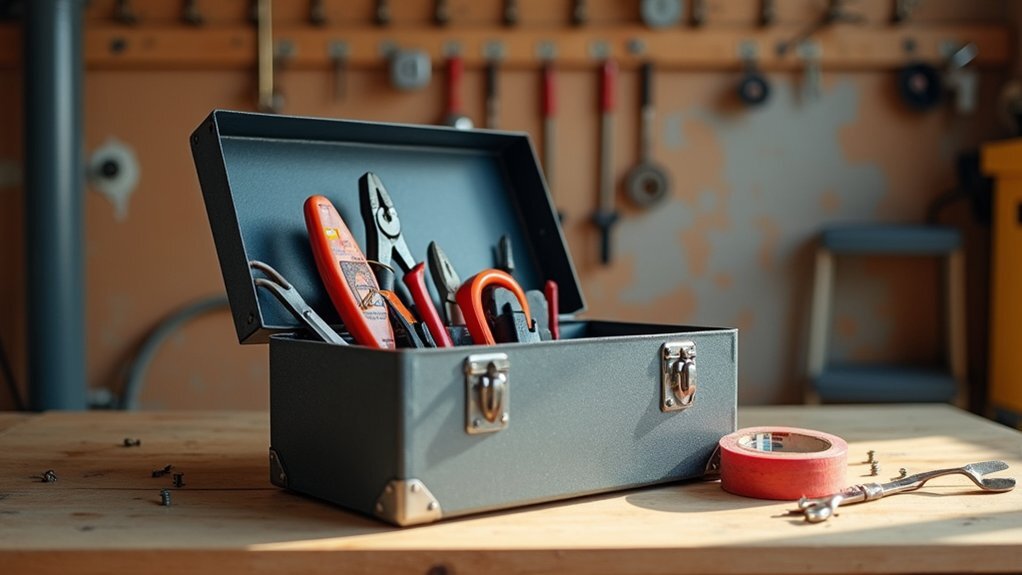
Essential Electrical Tools Every Homeowner Should Own
Discover the must-have electrical tools for every homeowner. From voltage testers to wire strippers, learn about the essential equipment that ensures safety and efficiency in your electrical projects.
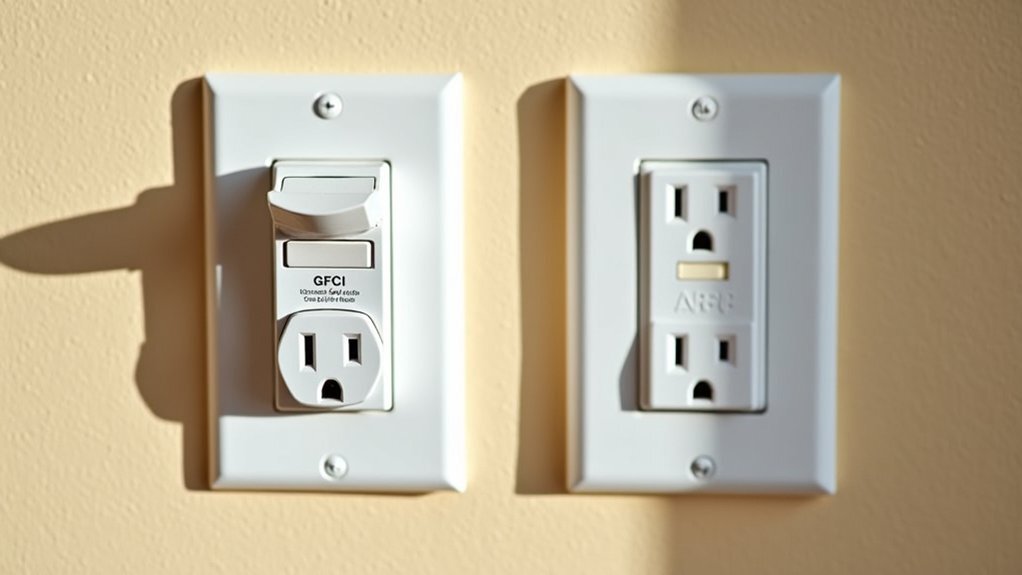
What Is the Difference Between GFCI and AFCI Outlets?
GFCI and AFCI outlets have different safety roles in your home. GFCIs protect against electrical shocks by shutting off power when they detect imbalances in electrical current, while AFCIs prevent electrical fires by identifying dangerous arcing conditions in wiring.
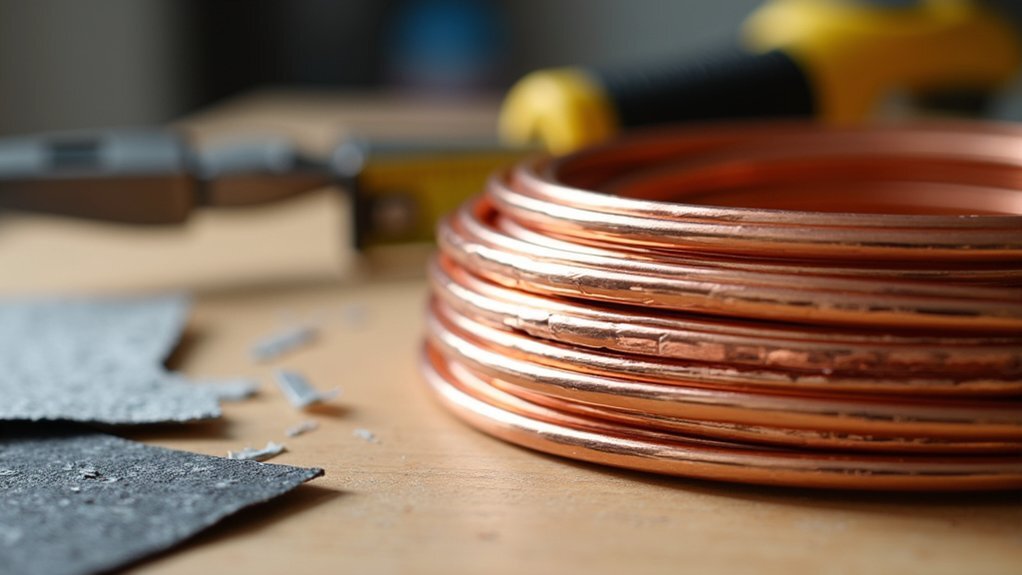
Why You Should Switch to Copper Wiring for Home Safety
Switching to copper wiring is essential for your home's safety. Copper offers superior electrical conductivity, reducing energy loss and minimizing fire risks. Learn about its durability, cost-effectiveness, and compliance with safety codes.
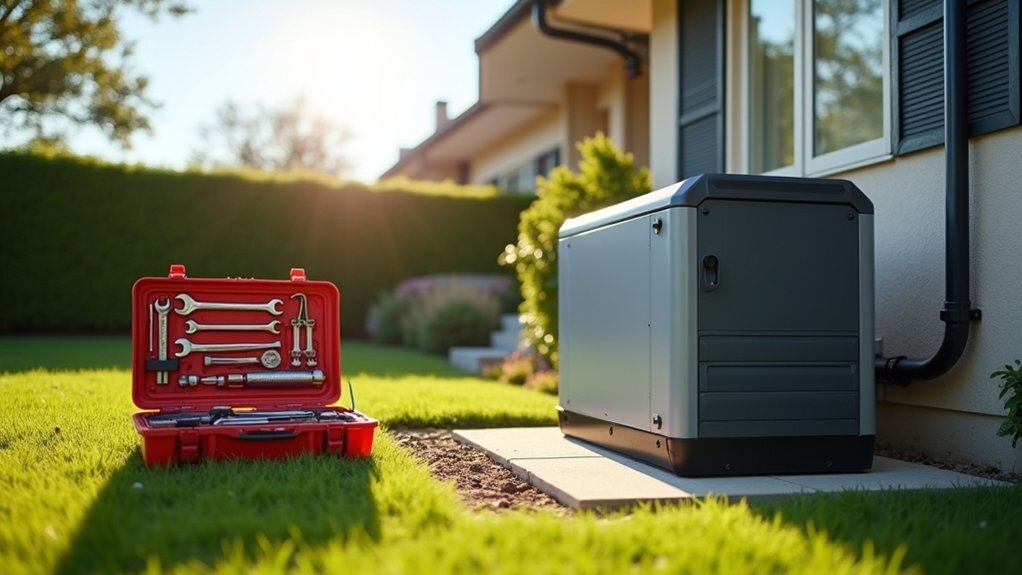
Generator Installation and Maintenance: What Homeowners Need to Know
When it comes to generator installation and maintenance, you've got to get it right for safety and efficiency. Learn about proper placement, electrical connections, maintenance routines, and safety guidelines for reliable backup power.
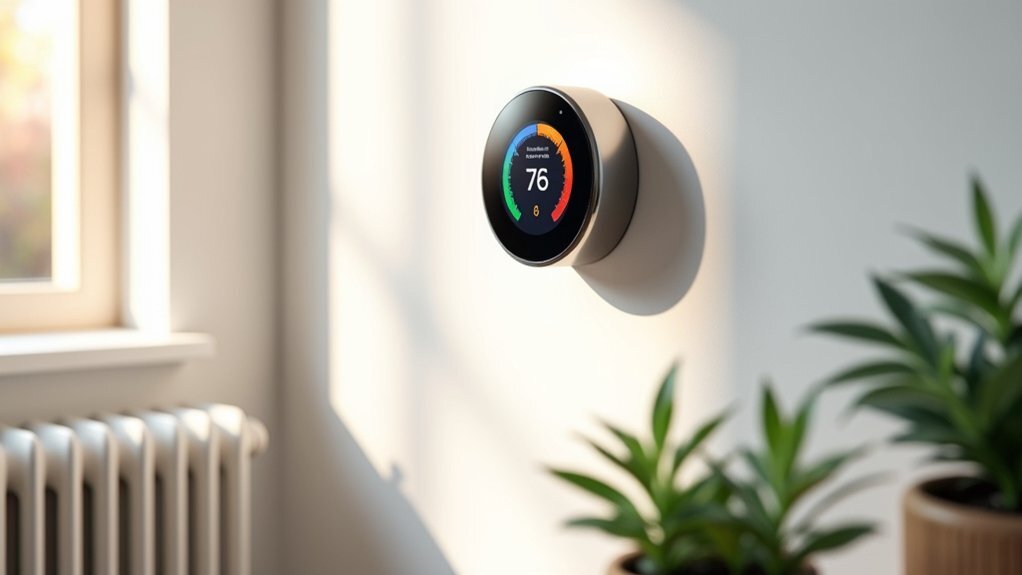
Smart Thermostats: Are They Worth the Investment?
Smart thermostats can cut your energy bills by 10-15% while enhancing comfort and convenience. Learn about their features, benefits, and whether they're worth the investment for your home.

Steps to Lower Your Electricity Bill Without Major Upgrades
Discover simple yet effective strategies to reduce your electricity costs without expensive home renovations. Learn about thermostat optimization, appliance efficiency, and energy-saving habits.
How Often Should I Schedule Professional Electrical Inspections?
Learn the recommended frequency for residential and commercial electrical inspections to keep your property safe and compliant with electrical codes.
Smart Home Electrical Upgrades That Boost Comfort and Security
Discover how smart home electrical upgrades can enhance your comfort, security, and energy efficiency while increasing your property value.

Outdoor Lighting Design and Installation Tips for Businesses
Achieve a stunning outdoor lighting design for your business that enhances safety and aesthetics—discover essential tips to illuminate your space effectively.
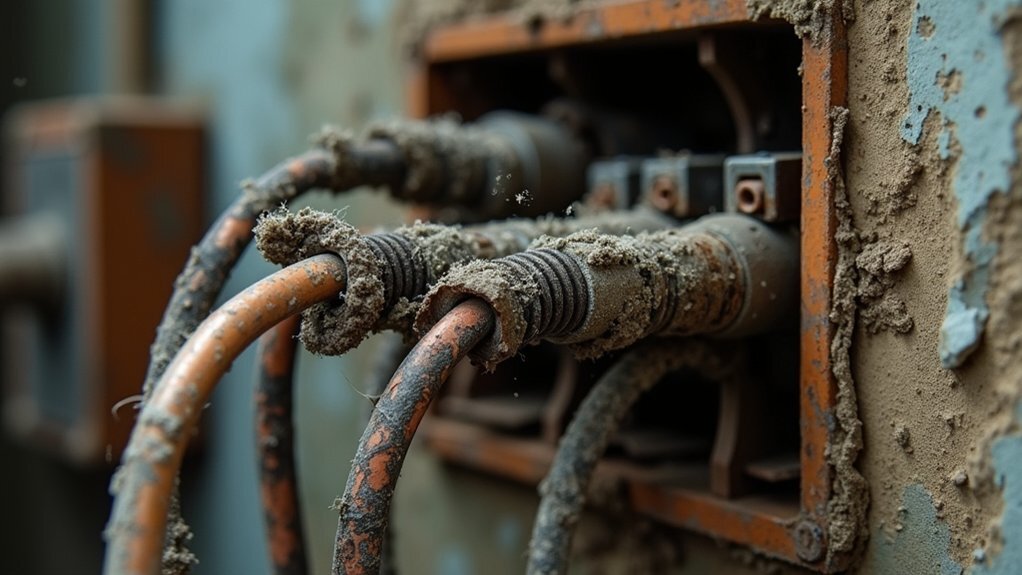
The Risks of Outdated Electrical Wiring in Older Properties
Outdated electrical wiring in older properties presents serious risks. It can cause fires due to overheating and deteriorating insulation, while also increasing the danger of electrocution from exposed wires. These old systems often can't handle modern appliance demands.

How to Teach Children Electrical Safety at Home
Learn essential strategies to teach your kids electrical safety at home. From understanding basic electricity concepts to recognizing hazards and establishing safety practices, discover how to protect your children from electrical dangers through engaging education and safety equipment.