Understanding Your Home's Electrical Code Requirements
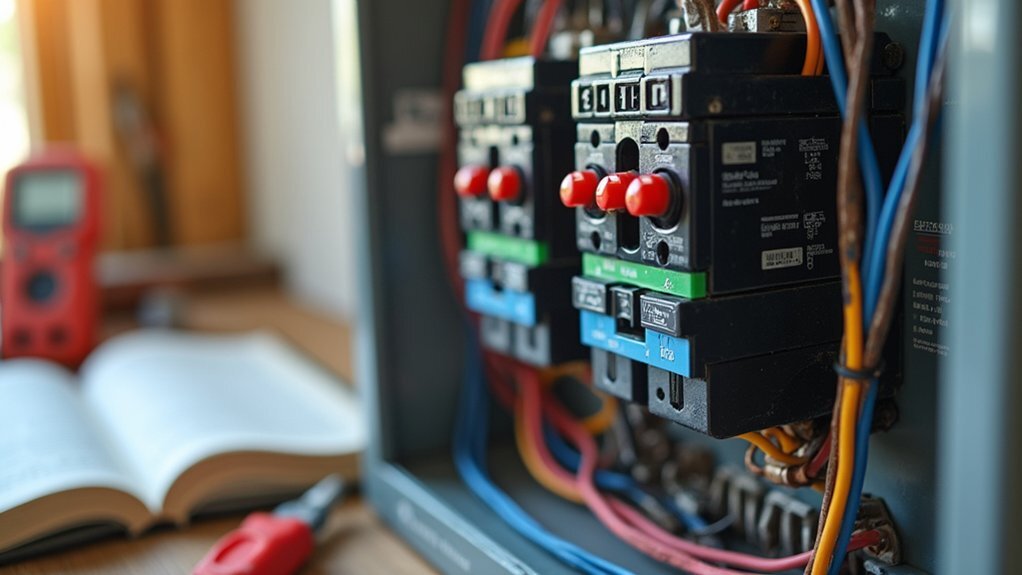
Understanding your home's electrical code requirements is essential for safety and compliance. You'll need to guarantee your electrical panel can handle your total load, especially with dedicated circuits for big appliances and kitchen areas. Installing GFCI outlets in wet spaces is mandatory, along with tamper-resistant receptacles throughout. New California mandates also require charging infrastructure for electric vehicles. Stay informed about these updates, and you'll be better prepared for future changes ahead.
Key Takeaways
- Familiarize yourself with the 2025 updates, including dedicated circuits for electric vehicle charging and smart home readiness requirements.
- Ensure your electrical panel can accommodate total load, including potential future expansions for appliances and devices.
- Install GFCI outlets in wet areas and AFCIs in kitchens and laundry rooms to enhance safety and prevent electrical hazards.
- Check local regulations for stricter standards, as jurisdictions may impose additional requirements beyond the state electrical code.
- Consider energy efficiency practices, such as integrating renewable energy systems and dedicated circuits for EV chargers, to future-proof your home.
Overview of Electrical Code Updates
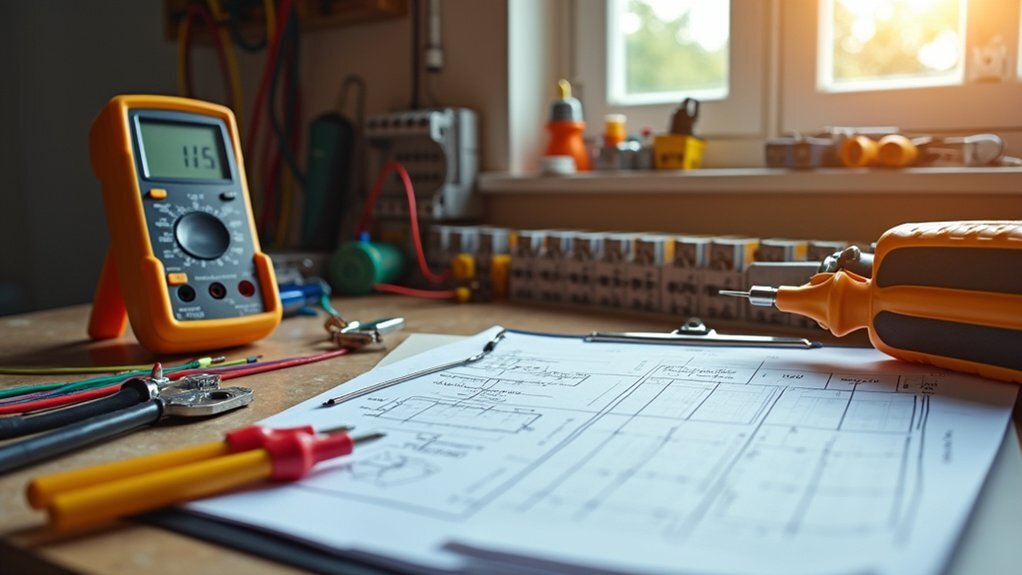
As you navigate the evolving landscape of electrical codes, it is crucial to understand the significant updates coming in 2025. The new requirements enhance safety and modernization for residential buildings. You'll need dedicated circuits for electric vehicle (EV) charging, reflecting the rise in EV adoption. Integration of renewable energy systems is also emphasized, guaranteeing better compatibility and safety. Smart home readiness is now a must, allowing seamless adoption of intelligent devices. Additionally, expanded use of arc-fault circuit interrupters (AFCIs) and ground-fault circuit interrupters (GFCIs) will reduce fire and shock risks. Grounding and bonding practices are being revised to strengthen your electrical system's stability. Staying informed about these updates will help you maintain compliance and guarantee your home's safety. Compliance ensures adherence to legal requirements, which is essential for protecting both your property and loved ones.
California-Specific Changes in Electrical Code
With the upcoming changes in electrical codes, California is making significant strides to enhance safety and sustainability in residential and commercial buildings. Importantly, new mandates require Level 2 electric vehicle (EV) chargers and receptacle outlets in all new homes, moving away from the previous "EV Capable" standards. The calculation for EV charger requirements now hinges on dwelling units rather than parking spaces, ensuring consistent coverage. Additionally, the 2025 California Electrical Code adopts the 2023 National Electrical Code with state-specific amendments, enhancing safety measures like Ground Fault Circuit Interrupters (GFCI) and surge protection. Local jurisdictions can impose stricter standards as needed, emphasizing compliance and safety in your electrical systems. These updates are part of Title 24's comprehensive approach to ensure public health, safety, and welfare in building practices.
Key Residential Electrical Code Requirements
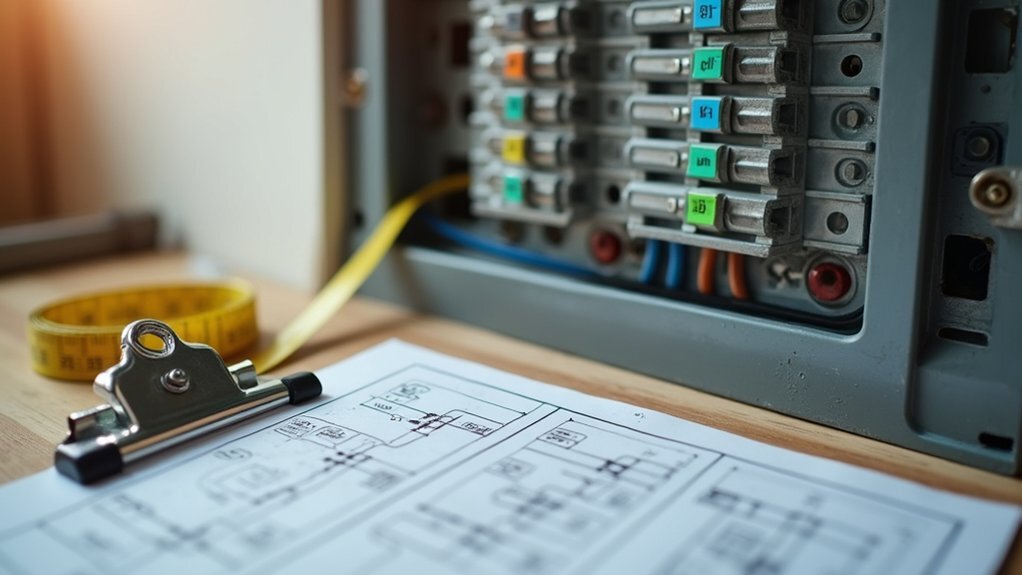
Understanding key residential electrical code requirements is essential for guaranteeing safety and compliance in your home. Your electrical panel must handle the total load, including future expansions. Large appliances need dedicated circuits to prevent overloads. In kitchens, at least two 20-amp circuits must serve countertop areas. GFCI outlets are mandatory in wet areas like bathrooms and kitchens, while AFCI breakers protect circuits in living areas from electrical fires. Make sure outlets are spaced so no point is over 6 feet from one, and use tamper-resistant receptacles. For outdoor spaces, GFCI-protected outlets are necessary. Finally, guarantee proper wire sizing and box fill to maintain safety standards throughout your home. Additionally, homes built in the last 20 years are likely to comply with current electrical codes, but older homes may require inspections by a licensed electrician to ensure safety.
Enhancements in Electrical Safety
Recent updates in electrical codes are designed to bolster safety across residential spaces. You'll now find that Arc Fault Circuit Interrupters (AFCIs) are mandatory in kitchens and laundry rooms, markedly expanding fire prevention coverage. Ground Fault Circuit Interrupters (GFCIs) are also required in areas with water exposure, protecting you from electrocution by monitoring current flow. Tamper-resistant receptacles are now necessary in all living areas, enhancing safety for everyone, not just children. Installation and inspection protocols have tightened, ensuring higher precision in wiring and regular checks by certified electricians. These enhancements promote proactive maintenance and real-time monitoring, allowing you to address potential hazards before they escalate, consequently ensuring a safer home environment. Additionally, these updates are part of the 2025 electrical safety standards aimed at modernizing home infrastructure and improving efficiency.
Energy Efficiency and Renewable Integration Standards

As the push for sustainability grows, energy efficiency and renewable integration standards are becoming essential components of modern electrical codes. The 2025 electrical code requires dedicated circuits for electric vehicle (EV) chargers, ensuring your home is future-ready. You'll find updated grounding requirements enhance safety for high-load EV charging. Plus, smart home readiness allows seamless integration of EV chargers with your energy management system. Additionally, the new 2025 Energy Efficiency Standards promote the installation of higher-performing HVAC systems, which can further enhance your home's energy efficiency.
For renewable energy, revised standards promote safe solar and wind integration, requiring standardized interconnection methods. Your infrastructure must comply with National Electric Code specifications for compatibility. Incentives, like federal energy credits, encourage high-efficiency renewable installations. With these updates, your home can support battery storage, load management, and overall energy efficiency, paving the way for a sustainable future. Contact our team to learn how we can help upgrade your electrical system for renewable energy integration.
Legal and Compliance Considerations for Homeowners
Maneuvering the legal and compliance landscape of electrical installations is fundamental for homeowners who want to secure safety and avoid potential liabilities. The National Electrical Code (NEC) is the standard you must follow, with local authorities enforcing it. Non-compliance can lead to fines, legal issues, and increased liability if accidents occur. You'll need electrical permits for significant work, and inspections verify your installations meet current codes. Hiring licensed professionals is essential, as they manage permits and compliance, reducing your risks. Remember, you're ultimately responsible for adhering to the codes and maintaining documentation. Understanding electrical codes is critical to guarantee your home remains safe and insurable, minimizing costly repairs down the line. Keeping up with updates, like the latest NEC changes, is critical to guarantee your home remains safe and insurable. Our experienced electricians stay current with all code requirements to ensure your home meets the latest safety standards.
Frequently Asked Questions
How Can I Find My Local Electrical Code Requirements?
You can find your local electrical code requirements by visiting your city or county building department's website, where they often post relevant codes. Check your state government's site for adopted standards, too. Public libraries might have physical copies, and licensed contractors can provide guidance. Don't forget to consult the National Electrical Code (NEC) and any local amendments for specific regulations in your area.
What Are the Penalties for Non-Compliance With Electrical Codes?
If you don't comply with electrical codes, you could face hefty penalties. Class 1 violations might cost you up to $25,000, while Class 2 fines range from $800 to $10,000. Even Class 3 violations can hit you with fines around $400 to $500. Additionally, working without a permit could lead to fines from $800 to $10,000, plus the need to obtain permits retroactively. Be sure to follow the codes to avoid these costly consequences!
Can I Perform My Own Electrical Work Legally?
Yes, you can perform your own electrical work legally in some areas, but it's essential to check your local regulations first. Many states allow homeowners to tackle minor tasks like changing light switches or outlets, while major projects usually require a licensed electrician. Don't forget to obtain necessary permits for significant work, as failing to do so can lead to fines or safety hazards. Always prioritize safety and compliance with local codes.
How Often Are Electrical Codes Updated?
Electrical codes get updated every three years. The National Electrical Code (NEC) releases new editions in years like 2023, 2026, and so on. These updates incorporate advancements in technology and safety practices to keep up with industry changes. Local governments then decide when to adopt these updates, which can lead to different codes being enforced in various areas. Staying informed about these changes helps guarantee your electrical work meets current safety standards.
Who Enforces Electrical Code Compliance in My Area?
In your area, local authorities like the City of Pensacola's Code Enforcement Division and Escambia County's Environmental Enforcement handle electrical code compliance. They guarantee adherence to state statutes and municipal ordinances. The Florida Building Code Compliance Authority and certified private providers also play a role by conducting inspections and plan reviews. If you notice violations, you can report them, and enforcement officers will address the issues accordingly.
Need Professional Electrical Services?
Trust the experts at Darby Electric Service for all your electrical needs in Arlington, TX.
Related Articles
Battery Storage Systems Explained: Powering Your Home During Outages
Learn how battery storage systems provide reliable backup power during outages, integrate with solar panels, and enhance your home's energy independence.

The Future of Energy: How Solar Power Integrates With Modern Electrical Systems
Discover how solar power's rapid growth and innovative technologies are transforming modern electrical systems, creating sustainable energy solutions for residential, commercial, and industrial applications.
How Infrared Scanning Detects Electrical Problems Before They Start
Discover how infrared thermal imaging technology identifies overheating components, loose connections, and potential electrical failures before they become costly emergencies.
Understanding the Difference Between Single-Phase and Three-Phase Power
Learn the key differences between single-phase and three-phase power systems, including efficiency, cost, load handling, and practical applications for residential, commercial, and industrial use.
How to Plan for an Electrical System Expansion in a Growing Business
Learn how to effectively plan for electrical system expansion in your growing business, from assessing infrastructure to implementing energy-efficient solutions and ensuring compliance with safety regulations.
Why Every Business Should Consider an Electrical Maintenance Contract
Discover why electrical maintenance contracts are essential for business success, offering cost savings, enhanced safety, reduced downtime, and improved operational efficiency while protecting your investment.

How Lighting Design Impacts Employee Productivity and Mood
Discover how effective lighting design can boost productivity by over 60%, improve employee mood, and create significant cost savings through strategic implementation of natural and artificial lighting solutions.

The Hidden Dangers of DIY Electrical Repairs
DIY electrical repairs can hide serious dangers. You risk electrocution, as many accidents lead to deaths and injuries each year. Without expertise, you may create fire hazards that can damage your property and invalidate your homeowners' insurance.
How Whole-Home Surge Protection Keeps Your Electronics Safe
Whole-home surge protection keeps your electronics safe by acting as a robust defense against electrical surges. Installed at your main electrical panel, it uses advanced technologies like Metal Oxide Varistors to absorb excess voltage and divert it safely to ground.

Essential Electrical Tools Every Homeowner Should Own
Discover the must-have electrical tools for every homeowner. From voltage testers to wire strippers, learn about the essential equipment that ensures safety and efficiency in your electrical projects.
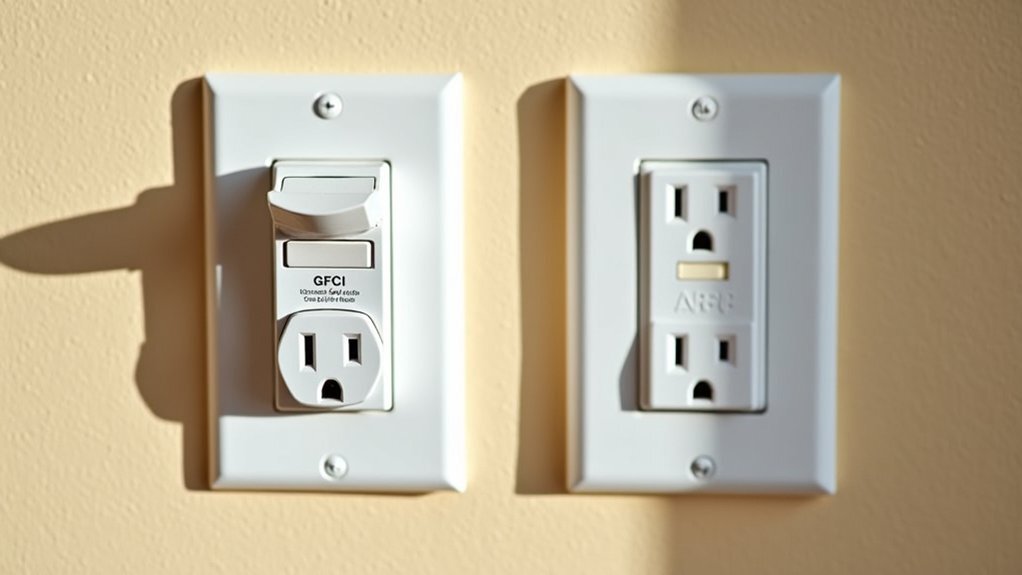
What Is the Difference Between GFCI and AFCI Outlets?
GFCI and AFCI outlets have different safety roles in your home. GFCIs protect against electrical shocks by shutting off power when they detect imbalances in electrical current, while AFCIs prevent electrical fires by identifying dangerous arcing conditions in wiring.
Why You Should Switch to Copper Wiring for Home Safety
Switching to copper wiring is essential for your home's safety. Copper offers superior electrical conductivity, reducing energy loss and minimizing fire risks. Learn about its durability, cost-effectiveness, and compliance with safety codes.
Generator Installation and Maintenance: What Homeowners Need to Know
When it comes to generator installation and maintenance, you've got to get it right for safety and efficiency. Learn about proper placement, electrical connections, maintenance routines, and safety guidelines for reliable backup power.
Smart Thermostats: Are They Worth the Investment?
Smart thermostats can cut your energy bills by 10-15% while enhancing comfort and convenience. Learn about their features, benefits, and whether they're worth the investment for your home.

Steps to Lower Your Electricity Bill Without Major Upgrades
Discover simple yet effective strategies to reduce your electricity costs without expensive home renovations. Learn about thermostat optimization, appliance efficiency, and energy-saving habits.

Electric Vehicle Charging Station Installation for Residences
Learn how to install an electric vehicle charging station at home with expert guidance on charger types, electrical requirements, permits, and professional installation.
How Often Should I Schedule Professional Electrical Inspections?
Learn the recommended frequency for residential and commercial electrical inspections to keep your property safe and compliant with electrical codes.
Smart Home Electrical Upgrades That Boost Comfort and Security
Discover how smart home electrical upgrades can enhance your comfort, security, and energy efficiency while increasing your property value.

Outdoor Lighting Design and Installation Tips for Businesses
Achieve a stunning outdoor lighting design for your business that enhances safety and aesthetics—discover essential tips to illuminate your space effectively.
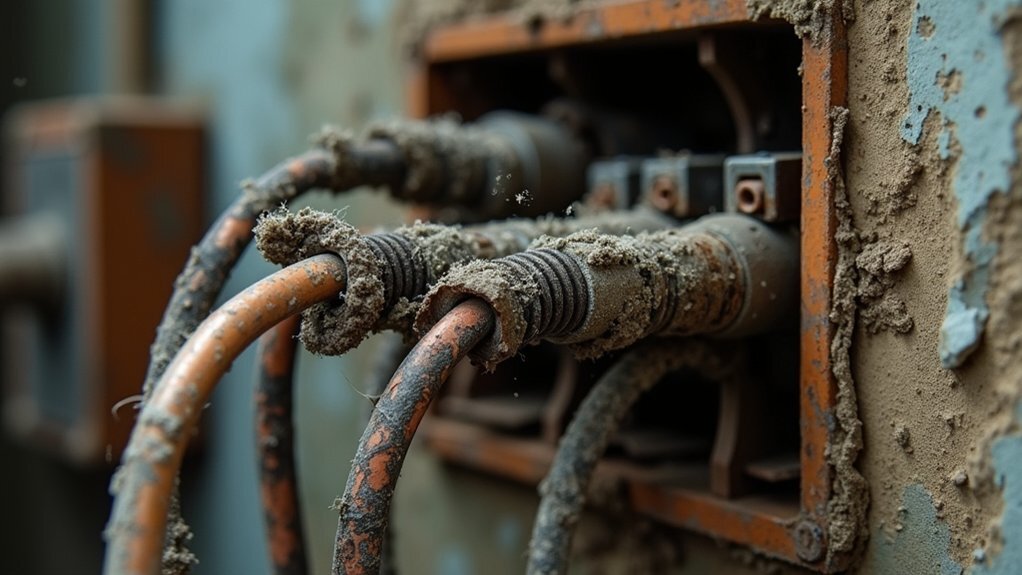
The Risks of Outdated Electrical Wiring in Older Properties
Outdated electrical wiring in older properties presents serious risks. It can cause fires due to overheating and deteriorating insulation, while also increasing the danger of electrocution from exposed wires. These old systems often can't handle modern appliance demands.

How to Teach Children Electrical Safety at Home
Learn essential strategies to teach your kids electrical safety at home. From understanding basic electricity concepts to recognizing hazards and establishing safety practices, discover how to protect your children from electrical dangers through engaging education and safety equipment.