Understanding the Difference Between Single-Phase and Three-Phase Power
Understanding the difference between single-phase and three-phase power is essential for your electrical needs. Single-phase power runs on two conductors, ideal for homes, but it's less efficient for heavy loads. Three-phase, with three conductors, handles larger industrial demands efficiently and offers consistent power. It may have higher installation costs, but it saves you money long-term through reduced energy waste. Discover more about how each system works and what that means for your specific applications.
Key Takeaways
- Single-phase power uses two conductors and operates at up to 230V, ideal for residential applications.
- Three-phase power employs three conductors, often with a neutral wire, reaching up to 415V for commercial and industrial use.
- Three-phase systems handle larger loads more efficiently, delivering nearly twice the power of single-phase systems at the same voltage.
- The complexity of three-phase wiring allows for better load balancing and improved power quality, reducing the risk of outages.
- While three-phase systems have higher initial costs, they result in lower operational expenses and enhanced long-term efficiency.
Key Differences Between Single-Phase and Three-Phase Power
When you compare single-phase and three-phase power, you'll notice several key differences that cater to distinct applications. Single-phase power uses two conductors and operates at up to 230V, making it ideal for residential use. In contrast, three-phase power employs three conductors, often with a neutral wire, and can reach up to 415V, making it suitable for commercial and industrial settings. Three-phase systems deliver power more consistently and handle larger loads without interruption, offering redundancy if one phase fails. The complexity of three-phase wiring necessitates careful planning, while single-phase circuits are simpler and easier to configure. Understanding these differences helps you choose the right power system for your specific needs. Additionally, three-phase power is increasingly being supplied to modern residences to meet growing technological demands.
Efficiency and Cost Analysis
Understanding the efficiency and cost implications of single-phase versus three-phase power is essential for making informed decisions about your electrical needs. Three-phase power requires less conductor material, allowing for smaller wire sizes and reducing upfront costs in the long run. Its consistent power flow prevents dips, improving motor efficiency and reducing energy waste. While three-phase systems may have higher initial installation costs, they offer savings through lower operational expenses and longer equipment lifespans. Conversely, single-phase systems often lead to higher maintenance costs due to power fluctuations and increased wear on equipment. Ultimately, investing in three-phase power can enhance operational efficiency and reduce long-term costs, making it a viable choice for many commercial and industrial applications. Additionally, understanding the types of phase is crucial for selecting the appropriate power supply for your operational needs.
Load Handling Capabilities
While both single-phase and three-phase power systems serve essential roles in electrical applications, their load handling capabilities differ considerably. Three-phase systems can deliver nearly twice the power of single-phase systems at the same voltage and current, making them ideal for handling heavier loads. With a voltage of around 415V, three-phase power efficiently supports large industrial motors, providing smoother operation and reducing strain. In contrast, single-phase systems, typically around 230V, are more suited for lighter loads in residential settings and can suffer from power dips, impacting load stability. The balanced distribution across three conductors in three-phase systems minimizes voltage drops, ensuring consistent power delivery, especially under fluctuating loads, making them the preferred choice for heavy-duty applications. This efficiency in three-phase systems translates to cost savings in large-scale operations due to their operational benefits.
System Design and Complexity
The differences in load handling capabilities between single-phase and three-phase systems lead to distinct challenges in system design and complexity. Single-phase systems use two conductors, while three-phase systems typically require three or four, complicating the wiring process. You'll also notice that three-phase circuits involve multiple live wires and may include a neutral wire, depending on the configuration. This added complexity translates to higher installation costs, often requiring specialized labor and equipment. Additionally, three-phase systems offer flexibility, allowing you to power both single-phase and three-phase loads while balancing loads across phases. However, the intricate design and maintenance requirements of three-phase systems can pose challenges that you need to consider during planning. Three-phase power systems are essential for driving heavy-duty equipment in industrial settings, highlighting their importance in efficient energy delivery. Contact our team to discuss which power system is right for your business.
Power Quality and Reliability
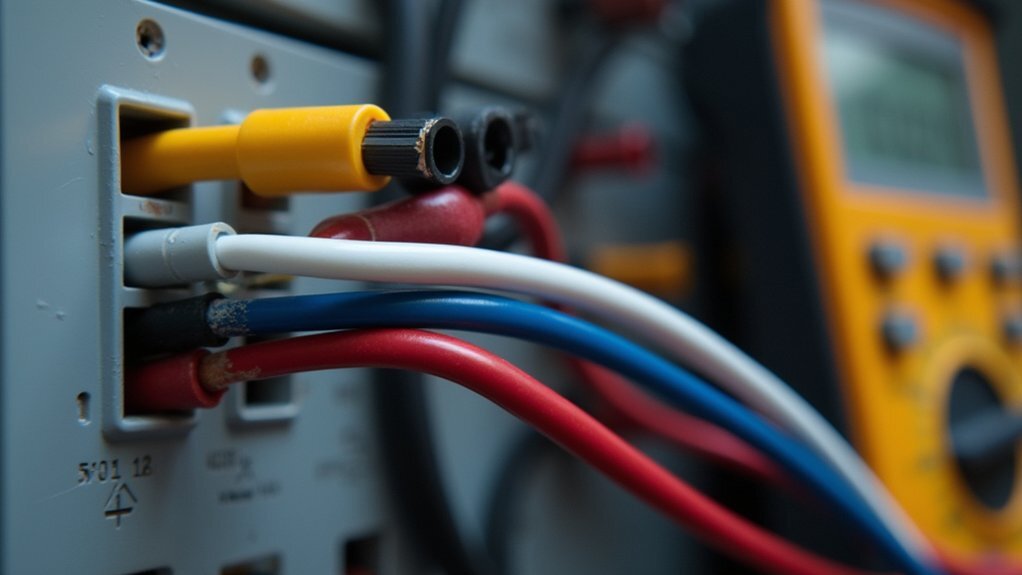
When it comes to power quality and reliability, three-phase systems clearly have the upper hand. They provide more consistent voltage, minimizing dips and ensuring smoother operations compared to single-phase systems, which often face voltage fluctuations. With reduced susceptibility to harmonic distortion and a higher power factor, three-phase systems enhance overall power quality. Their superior load balancing capabilities significantly reduce the risk of outages during heavy loads. Additionally, three-phase systems offer fault tolerance; even if one phase fails, the others maintain operation. This stability is essential for industrial applications, ensuring a reliable power supply and protecting equipment from damage caused by fluctuations. Overall, three-phase systems deliver enhanced efficiency and safety, making them the preferred choice for reliable power delivery. Furthermore, three-phase power supplies can transmit three times as much power as single-phase power, making them ideal for larger applications.
Practical Applications and Considerations
Choosing between single-phase and three-phase power systems depends largely on your specific needs and application context. If you're working in a residential setting, single-phase power is usually sufficient for everyday appliances, operating at 120/240V. It's simpler and cheaper to install, using just two conductors. Additionally, single-phase systems are cost-effective due to their lower installation and maintenance costs. However, if you're in a commercial or industrial environment, three-phase power becomes essential. It supports larger loads at higher voltages, like 415V, making it ideal for heavy machinery and continuous operations. Although installation costs are higher due to the complexity of wiring, three-phase systems offer better efficiency and scalability. They can handle increased demands without needing extensive upgrades, ensuring you can grow your operations smoothly. Always check local utility availability before proceeding. Contact us to discuss your power system needs and ensure you have the right solution for your business.
Frequently Asked Questions
How Do I Determine if I Need Single-Phase or Three-Phase Power?
To determine if you need single-phase or three-phase power, assess your power requirements. If you're powering residential appliances or small equipment, single-phase is often sufficient. However, for larger machinery or industrial applications, three-phase power's efficiency and load capacity are beneficial. Consider your future expansion needs, installation complexity, and costs as well. If reliability and consistent power supply are essential, lean towards three-phase; otherwise, single-phase may meet your needs. Our commercial electrical experts can help you evaluate your specific requirements.
Can I Convert Single-Phase Power to Three-Phase Power?
Yes, you can convert single-phase power to three-phase power using several methods. Rotary phase converters, digital phase converters, and variable frequency drives (VFDs) are popular options. If you need to power multiple motors, a rotary converter works best. For single motors requiring speed control, a VFD is ideal. Just consider the specific requirements of your application to choose the most suitable conversion method that meets your needs effectively. Contact our team to discuss conversion options for your facility.
What Are the Safety Concerns With Each Power Type?
When working with single-phase power, you face risks like electric shocks and inadequate grounding, especially in older systems. Three-phase power increases hazards due to higher voltages, leading to more severe arc flash incidents. In both systems, lack of proper PPE and insufficient training can escalate injury severity. Regular maintenance and hazard recognition are essential for minimizing risks, regardless of the power type. Always prioritize safety practices to protect yourself on the job. Our qualified electricians ensure all safety protocols are followed.
How Do Single-Phase and Three-Phase Power Affect Appliance Performance?
Single-phase power can limit your appliances' performance, especially high-demand ones, leading to voltage drops and inefficiency. In contrast, three-phase power improves appliance efficiency and consistency, ensuring smoother operation and less stress on motors. Your equipment will likely last longer and require less maintenance with three-phase power due to balanced load distribution. If you're using heavy-duty appliances in your commercial or industrial facility, switching to three-phase can significantly enhance their performance and durability.
What Common Misconceptions Exist About Single-Phase and Three-Phase Power?
You might think single-phase power is always less efficient or outdated, but that's not true. Many believe three-phase power is necessary for every application, which isn't the case. Single-phase is often ideal for residential use and low-power applications. Also, misconceptions about installation complexity can lead to unnecessary costs. Understanding these nuances helps you choose the right system for your needs without falling for common myths about power types. Contact us for expert guidance on power system selection.
Need Professional Electrical Services?
Trust the experts at Darby Electric Service for all your electrical needs in Arlington, TX.
Related Articles

Battery Storage Systems Explained: Powering Your Home During Outages
Learn how battery storage systems provide reliable backup power during outages, integrate with solar panels, and enhance your home's energy independence.

The Future of Energy: How Solar Power Integrates With Modern Electrical Systems
Discover how solar power's rapid growth and innovative technologies are transforming modern electrical systems, creating sustainable energy solutions for residential, commercial, and industrial applications.
How Infrared Scanning Detects Electrical Problems Before They Start
Discover how infrared thermal imaging technology identifies overheating components, loose connections, and potential electrical failures before they become costly emergencies.
How to Plan for an Electrical System Expansion in a Growing Business
Learn how to effectively plan for electrical system expansion in your growing business, from assessing infrastructure to implementing energy-efficient solutions and ensuring compliance with safety regulations.
Why Every Business Should Consider an Electrical Maintenance Contract
Discover why electrical maintenance contracts are essential for business success, offering cost savings, enhanced safety, reduced downtime, and improved operational efficiency while protecting your investment.

How Lighting Design Impacts Employee Productivity and Mood
Discover how effective lighting design can boost productivity by over 60%, improve employee mood, and create significant cost savings through strategic implementation of natural and artificial lighting solutions.
Understanding Your Home's Electrical Code Requirements
Learn about essential electrical code requirements for your home, including 2025 updates for EV charging, safety enhancements, and compliance standards to keep your property safe and up to code.
The Hidden Dangers of DIY Electrical Repairs
DIY electrical repairs can hide serious dangers. You risk electrocution, as many accidents lead to deaths and injuries each year. Without expertise, you may create fire hazards that can damage your property and invalidate your homeowners' insurance.

How Whole-Home Surge Protection Keeps Your Electronics Safe
Whole-home surge protection keeps your electronics safe by acting as a robust defense against electrical surges. Installed at your main electrical panel, it uses advanced technologies like Metal Oxide Varistors to absorb excess voltage and divert it safely to ground.

Essential Electrical Tools Every Homeowner Should Own
Discover the must-have electrical tools for every homeowner. From voltage testers to wire strippers, learn about the essential equipment that ensures safety and efficiency in your electrical projects.
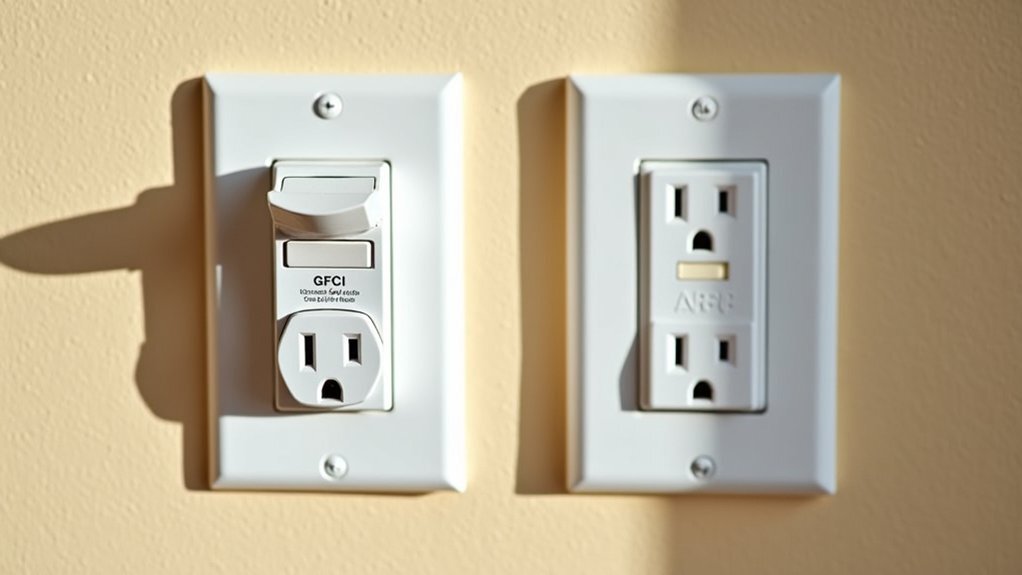
What Is the Difference Between GFCI and AFCI Outlets?
GFCI and AFCI outlets have different safety roles in your home. GFCIs protect against electrical shocks by shutting off power when they detect imbalances in electrical current, while AFCIs prevent electrical fires by identifying dangerous arcing conditions in wiring.
Why You Should Switch to Copper Wiring for Home Safety
Switching to copper wiring is essential for your home's safety. Copper offers superior electrical conductivity, reducing energy loss and minimizing fire risks. Learn about its durability, cost-effectiveness, and compliance with safety codes.
Generator Installation and Maintenance: What Homeowners Need to Know
When it comes to generator installation and maintenance, you've got to get it right for safety and efficiency. Learn about proper placement, electrical connections, maintenance routines, and safety guidelines for reliable backup power.
Smart Thermostats: Are They Worth the Investment?
Smart thermostats can cut your energy bills by 10-15% while enhancing comfort and convenience. Learn about their features, benefits, and whether they're worth the investment for your home.

Steps to Lower Your Electricity Bill Without Major Upgrades
Discover simple yet effective strategies to reduce your electricity costs without expensive home renovations. Learn about thermostat optimization, appliance efficiency, and energy-saving habits.

Electric Vehicle Charging Station Installation for Residences
Learn how to install an electric vehicle charging station at home with expert guidance on charger types, electrical requirements, permits, and professional installation.

How Often Should I Schedule Professional Electrical Inspections?
Learn the recommended frequency for residential and commercial electrical inspections to keep your property safe and compliant with electrical codes.

Smart Home Electrical Upgrades That Boost Comfort and Security
Discover how smart home electrical upgrades can enhance your comfort, security, and energy efficiency while increasing your property value.

Outdoor Lighting Design and Installation Tips for Businesses
Achieve a stunning outdoor lighting design for your business that enhances safety and aesthetics—discover essential tips to illuminate your space effectively.
The Risks of Outdated Electrical Wiring in Older Properties
Outdated electrical wiring in older properties presents serious risks. It can cause fires due to overheating and deteriorating insulation, while also increasing the danger of electrocution from exposed wires. These old systems often can't handle modern appliance demands.

How to Teach Children Electrical Safety at Home
Learn essential strategies to teach your kids electrical safety at home. From understanding basic electricity concepts to recognizing hazards and establishing safety practices, discover how to protect your children from electrical dangers through engaging education and safety equipment.