The Risks of Outdated Electrical Wiring in Older Properties
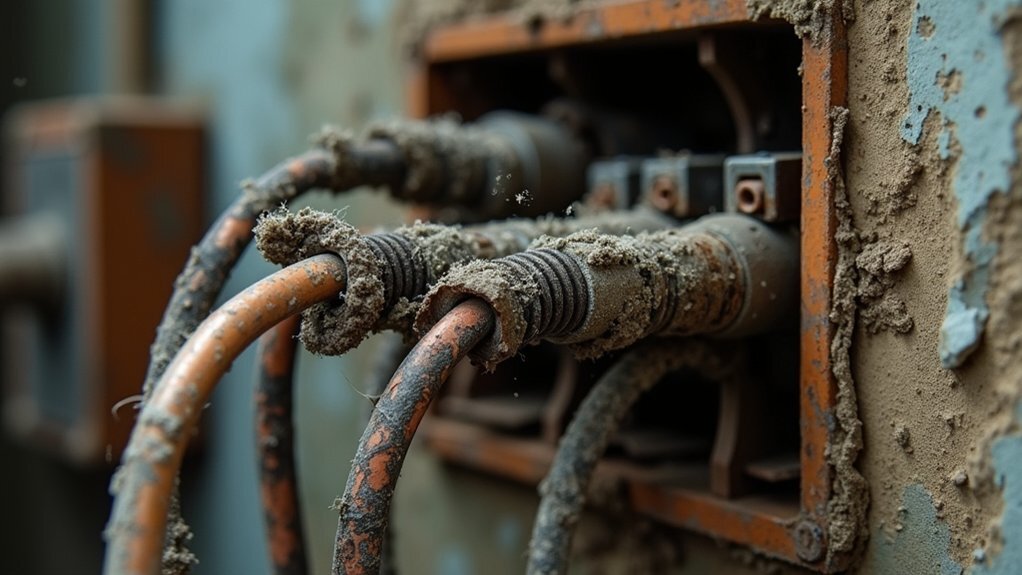
Outdated electrical wiring in older properties presents serious risks. It can cause fires due to overheating and deteriorating insulation, while also increasing the danger of electrocution from exposed wires. These old systems often can't handle the demands of modern appliances, leading to frequent circuit issues. Additionally, insurance premiums may rise, or coverage could be denied altogether. Staying informed about these risks can help you make safer decisions for your home. There's more to uncover on how to protect yourself.
Key Takeaways
- Outdated wiring systems significantly increase fire risks due to overheating from modern electrical demands and deteriorating insulation.
- Aged insulation can expose live wires, posing electrical shock hazards, especially to children and pets.
- Older wiring struggles to handle higher electrical loads, leading to frequent circuit breaker trips and potential overloads.
- Insurers may increase premiums or deny coverage for homes with outdated wiring, emphasizing the need for upgrades and inspections.
- Material degradation and damage over time can cause shorts and electrical failures, further heightening fire hazards in older properties.
Fire Hazards From Outdated Wiring
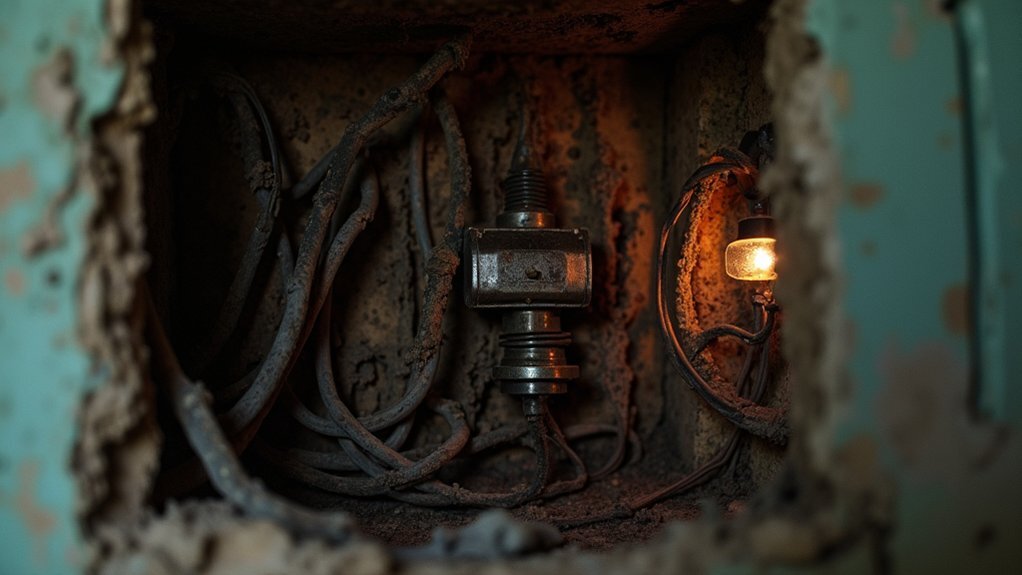
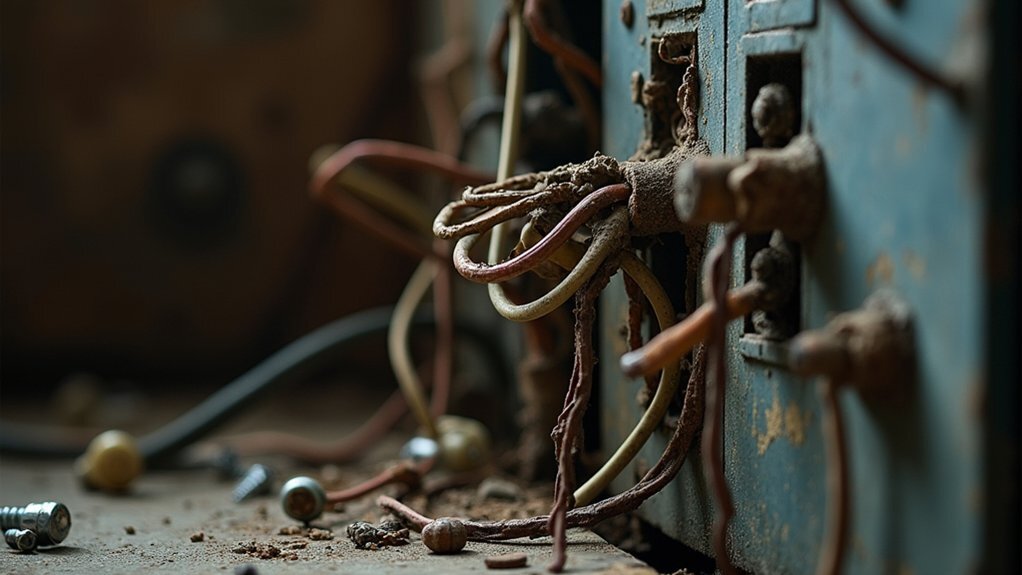
Fire hazards from outdated wiring can pose serious risks to your home and safety, especially if you're still relying on older electrical systems. Overloading these systems, common with modern electrical demands, leads to overheating and increases fire risk. According to the National Fire Protection Association, electrical failures are a leading cause of house fires. The deterioration of rubber insulation in older wires exposes conductors, which can short-circuit and ignite. You might also be using overloaded extension cords or outlets, further heightening this risk. In fact, wiring issues contribute to about one-third of residential electrical fires annually, causing significant property damage and even loss of life. It's essential to address these outdated wiring systems for your safety. Upgrading outdated wiring is a necessary investment to ensure your home remains safe and compliant with current electrical standards. For professional wiring assessments and upgrades, our residential electrical services team specializes in bringing older homes up to modern safety standards.
Electrocution and Electrical Shock Risks
While outdated electrical wiring can provide essential power, it also introduces significant electrocution and electrical shock risks. Aged insulation often becomes brittle, exposing live wires that can lead to mild to severe shocks, even fatalities. Children and pets are particularly vulnerable in homes with faulty wiring. Improper grounding is another serious concern, as it can create stray currents that may electrocute anyone who comes into contact. Wet conditions further heighten these risks, as electricity travels through water. Loose or corroded connections can spark, increasing shock potential and contributing to electrical fires. With around 400 electrocutions occurring annually in U.S. homes, it's vital to address these hazards to protect your loved ones and yourself. Additionally, electrical hazards cause nearly one workplace fatality daily, highlighting the importance of safety measures in all environments.
Incompatibility With Modern Electrical Loads
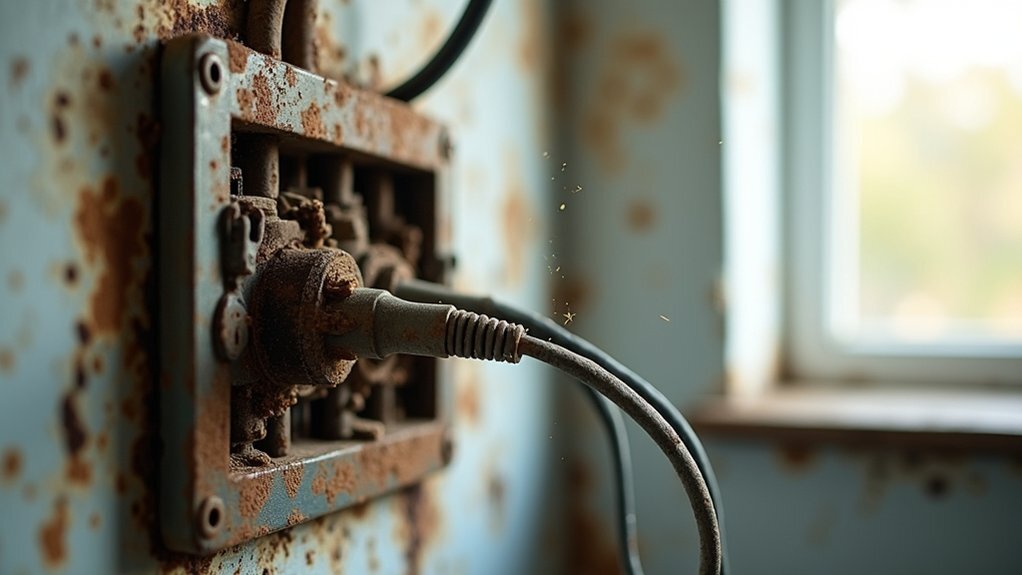
Outdated electrical wiring not only poses electrocution and shock risks but also struggles to meet the demands of today's technology. Older systems were designed for much lower electrical loads, often leaving you with insufficient capacity for modern appliances. Thin wiring can't safely carry the higher currents required today, leading to frequent circuit breaker trips and blown fuses. This overload can cause overheating, damaging insulation and increasing fire hazards. Additionally, lacking modern safety features like grounding conductors and AFCIs, older wiring fails to protect against shocks and fires. You may find voltage fluctuations that damage sensitive electronics, leading to costly repairs. Upgrading your electrical system is crucial to guarantee safety and compatibility with your current electrical needs, as outdated wiring can significantly elevate the risk of electrical fires and other hazards. Our electrical panel upgrades ensure your home can safely handle modern electrical demands.
Material Degradation and Damage Over Time
As time passes, the materials used in older electrical wiring can degrade considerably, leading to serious safety concerns for homeowners. Insulation, often made from rubber, becomes brittle and crumbles, exposing conductors and creating fire hazards. Thermal expansion and environmental factors exacerbate this deterioration. Additionally, corrosion can increase electrical resistance, causing wires to overheat and potentially ignite. Mechanical damage from renovations or pests can further compromise the integrity of the wiring. You might notice frequent circuit breaker trips or blown fuses, which signal electrical failures due to these issues. Ultimately, the aging materials in your electrical system can lead to shocking risks and reduced performance, making it essential to inspect and address outdated wiring promptly. Moreover, the expected lifespan of NM cable assemblies is typically between 25 to 40 years, highlighting the importance of regular inspections.
Insurance and Financial Implications
Many homeowners are unaware that outdated electrical wiring can greatly impact their insurance coverage and costs. If your home has knob-and-tube or aluminum wiring, expect higher insurance premiums due to increased fire risks. Insurers might even impose surcharges or deny coverage entirely if they identify high-risk wiring. Additionally, if a fire occurs because of unmaintained wiring, claims can be denied, leaving you financially vulnerable. To mitigate these risks, consider upgrading to modern copper systems, which can lower your premiums and increase coverage options. Remember, insurers often require electrical inspections and upgrades to maintain your policy, so staying proactive about your wiring can save you money and protect your investment in the long run. Upgrading your system not only reduces risks but also ensures compliance with National Electrical Code (NEC), which is essential for insurance eligibility. Contact our team for professional electrical assessments and upgrade consultations to protect your investment.
Frequently Asked Questions
How Can I Identify Outdated Wiring in My Home?
To identify outdated wiring in your home, look for signs like frequent blown fuses, flickering lights, or discolored outlets. Check for frayed wires or two-prong outlets, which indicate a lack of grounding. If you hear buzzing sounds or smell burning, it's a warning sign. Also, inspect your electrical panel; old fuse boxes may signal an outdated system. If you're unsure, consider getting a professional inspection to assess your wiring's condition.
What Are the Signs of Electrical System Failure?
You can spot signs of electrical system failure by observing frequent circuit breaker trips, flickering lights, and hot or discolored outlets. If you notice buzzing sounds or physical deterioration like frayed wires, it's time to act. These issues indicate potential overloads or faulty connections, posing safety risks. Don't ignore these warning signs; get a professional electrician to evaluate the system and guarantee your home's electrical safety.
Are There Specific Codes for Electrical Wiring Updates?
Yes, there are specific codes for electrical wiring updates. When you renovate or upgrade, you'll need to comply with the National Electrical Code (NEC) and your local building codes. These guidelines cover everything from outlet placement to required safety features like GFCI protection. If you're making significant changes, certified inspections are essential to confirm everything meets current standards. Hiring a licensed electrician helps guarantee the work adheres to these regulations, keeping your home safe.
How Often Should I Have My Electrical System Inspected?
You should have your electrical system inspected every 3–5 years if your home is under 25 years old. For homes 25 years or older, aim for inspections every 2–3 years. Historic homes or those with outdated wiring may need annual inspections. If you're buying, selling, or renovating, get an inspection immediately. Also, if you notice flickering lights or burning smells, don't hesitate to schedule one sooner. Safety first!
Can I Do My Own Electrical Repairs Safely?
You shouldn't attempt your own electrical repairs unless you have proper training and knowledge. The risks of electrocution, fire, and property damage are high if you make a mistake. Even small errors can lead to costly consequences, including voided insurance. It's best to consult a licensed electrician for any repairs or upgrades. They have the expertise to guarantee the work is done safely and up to code, protecting your home and family. Learn more about our comprehensive electrical services and why professional installation matters for your safety.
Need Professional Electrical Services?
Trust the experts at Darby Electric Service for all your electrical needs in Arlington, TX.
Related Articles
Battery Storage Systems Explained: Powering Your Home During Outages
Learn how battery storage systems provide reliable backup power during outages, integrate with solar panels, and enhance your home's energy independence.

The Future of Energy: How Solar Power Integrates With Modern Electrical Systems
Discover how solar power's rapid growth and innovative technologies are transforming modern electrical systems, creating sustainable energy solutions for residential, commercial, and industrial applications.
How Infrared Scanning Detects Electrical Problems Before They Start
Discover how infrared thermal imaging technology identifies overheating components, loose connections, and potential electrical failures before they become costly emergencies.
Understanding the Difference Between Single-Phase and Three-Phase Power
Learn the key differences between single-phase and three-phase power systems, including efficiency, cost, load handling, and practical applications for residential, commercial, and industrial use.
How to Plan for an Electrical System Expansion in a Growing Business
Learn how to effectively plan for electrical system expansion in your growing business, from assessing infrastructure to implementing energy-efficient solutions and ensuring compliance with safety regulations.
Why Every Business Should Consider an Electrical Maintenance Contract
Discover why electrical maintenance contracts are essential for business success, offering cost savings, enhanced safety, reduced downtime, and improved operational efficiency while protecting your investment.

How Lighting Design Impacts Employee Productivity and Mood
Discover how effective lighting design can boost productivity by over 60%, improve employee mood, and create significant cost savings through strategic implementation of natural and artificial lighting solutions.
Understanding Your Home's Electrical Code Requirements
Learn about essential electrical code requirements for your home, including 2025 updates for EV charging, safety enhancements, and compliance standards to keep your property safe and up to code.
The Hidden Dangers of DIY Electrical Repairs
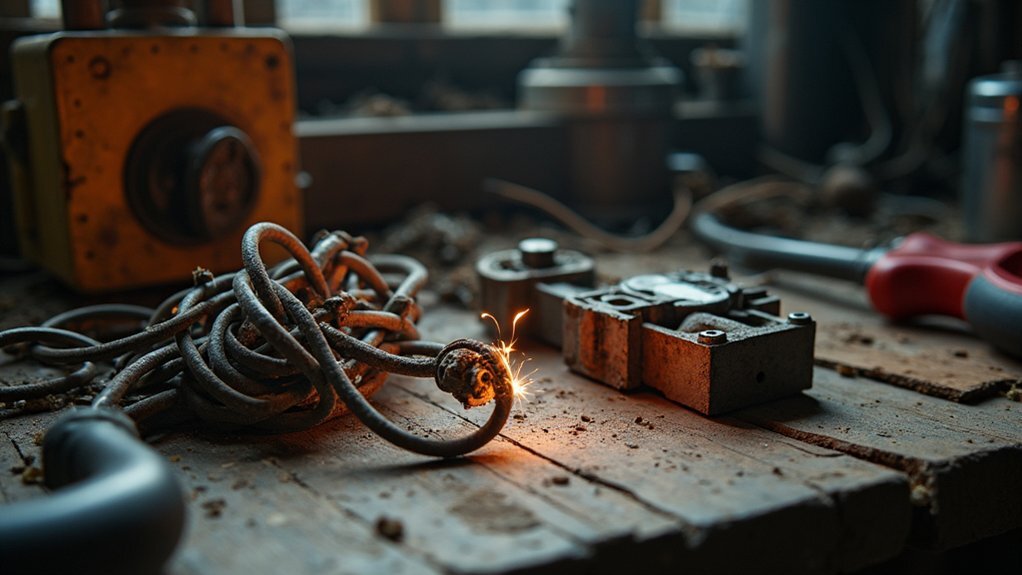
DIY electrical repairs can hide serious dangers. You risk electrocution, as many accidents lead to deaths and injuries each year. Without expertise, you may create fire hazards that can damage your property and invalidate your homeowners' insurance.
How Whole-Home Surge Protection Keeps Your Electronics Safe
Whole-home surge protection keeps your electronics safe by acting as a robust defense against electrical surges. Installed at your main electrical panel, it uses advanced technologies like Metal Oxide Varistors to absorb excess voltage and divert it safely to ground.
Essential Electrical Tools Every Homeowner Should Own
Discover the must-have electrical tools for every homeowner. From voltage testers to wire strippers, learn about the essential equipment that ensures safety and efficiency in your electrical projects.
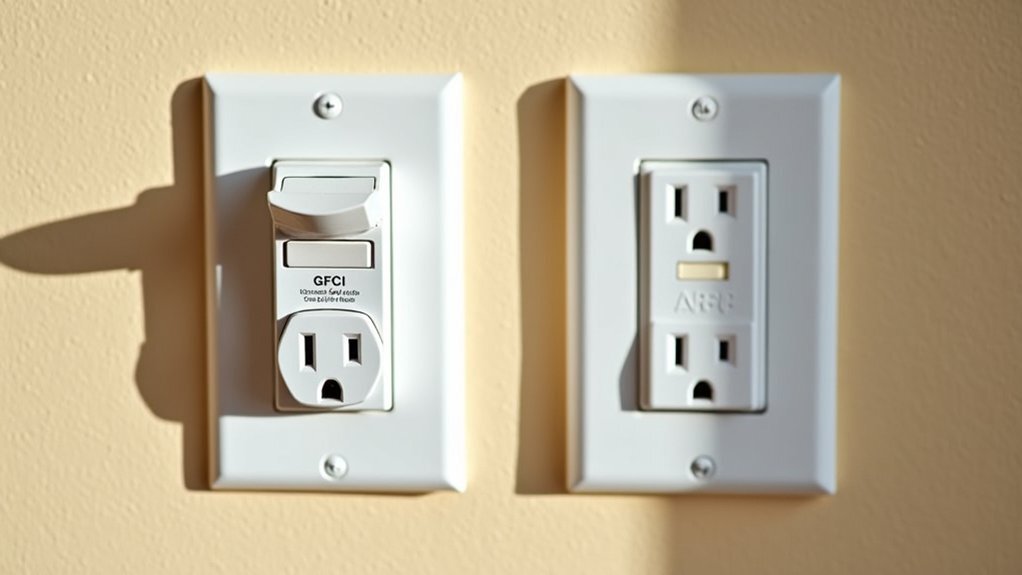
What Is the Difference Between GFCI and AFCI Outlets?
GFCI and AFCI outlets have different safety roles in your home. GFCIs protect against electrical shocks by shutting off power when they detect imbalances in electrical current, while AFCIs prevent electrical fires by identifying dangerous arcing conditions in wiring.
Why You Should Switch to Copper Wiring for Home Safety
Switching to copper wiring is essential for your home's safety. Copper offers superior electrical conductivity, reducing energy loss and minimizing fire risks. Learn about its durability, cost-effectiveness, and compliance with safety codes.
Generator Installation and Maintenance: What Homeowners Need to Know
When it comes to generator installation and maintenance, you've got to get it right for safety and efficiency. Learn about proper placement, electrical connections, maintenance routines, and safety guidelines for reliable backup power.
Smart Thermostats: Are They Worth the Investment?
Smart thermostats can cut your energy bills by 10-15% while enhancing comfort and convenience. Learn about their features, benefits, and whether they're worth the investment for your home.

Steps to Lower Your Electricity Bill Without Major Upgrades
Discover simple yet effective strategies to reduce your electricity costs without expensive home renovations. Learn about thermostat optimization, appliance efficiency, and energy-saving habits.

Electric Vehicle Charging Station Installation for Residences
Learn how to install an electric vehicle charging station at home with expert guidance on charger types, electrical requirements, permits, and professional installation.
How Often Should I Schedule Professional Electrical Inspections?
Learn the recommended frequency for residential and commercial electrical inspections to keep your property safe and compliant with electrical codes.
Smart Home Electrical Upgrades That Boost Comfort and Security
Discover how smart home electrical upgrades can enhance your comfort, security, and energy efficiency while increasing your property value.

Outdoor Lighting Design and Installation Tips for Businesses
Achieve a stunning outdoor lighting design for your business that enhances safety and aesthetics—discover essential tips to illuminate your space effectively.

How to Teach Children Electrical Safety at Home
Learn essential strategies to teach your kids electrical safety at home. From understanding basic electricity concepts to recognizing hazards and establishing safety practices, discover how to protect your children from electrical dangers through engaging education and safety equipment.