The Hidden Dangers of DIY Electrical Repairs
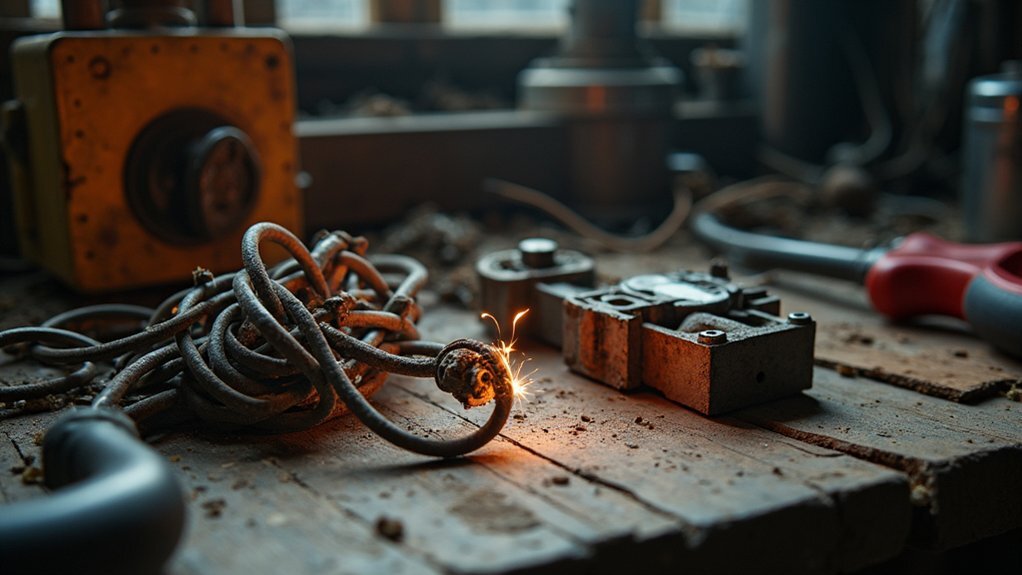
DIY electrical repairs can hide serious dangers. You risk electrocution, as many accidents lead to deaths and injuries each year. Without expertise, you may create fire hazards that can damage your property and invalidate your homeowners' insurance. Modern electrical systems are complex, and improper installations can cause costly mistakes. Hiring a licensed electrician not only secures safety but also guarantees compliance with codes. Discover more about the potential risks and the benefits of professional help.
Key Takeaways
- DIY electrical repairs can lead to serious risks of electrocution, with thousands of injuries and fatalities occurring annually from home electrical accidents.
- Faulty DIY wiring is responsible for over 51,000 house fires annually, often resulting from improper installations and lack of compliance with safety codes.
- Homeowners may face financial repercussions, with repair costs significantly increasing due to amateur mistakes and potential fines for code violations.
- DIY electrical work can invalidate homeowners' insurance, complicating claims and decreasing property value if defects are discovered.
- The complexity of modern electrical systems requires specialized knowledge, making professional electricians essential for safe and effective installations.
Understanding the Risks of Electrocution
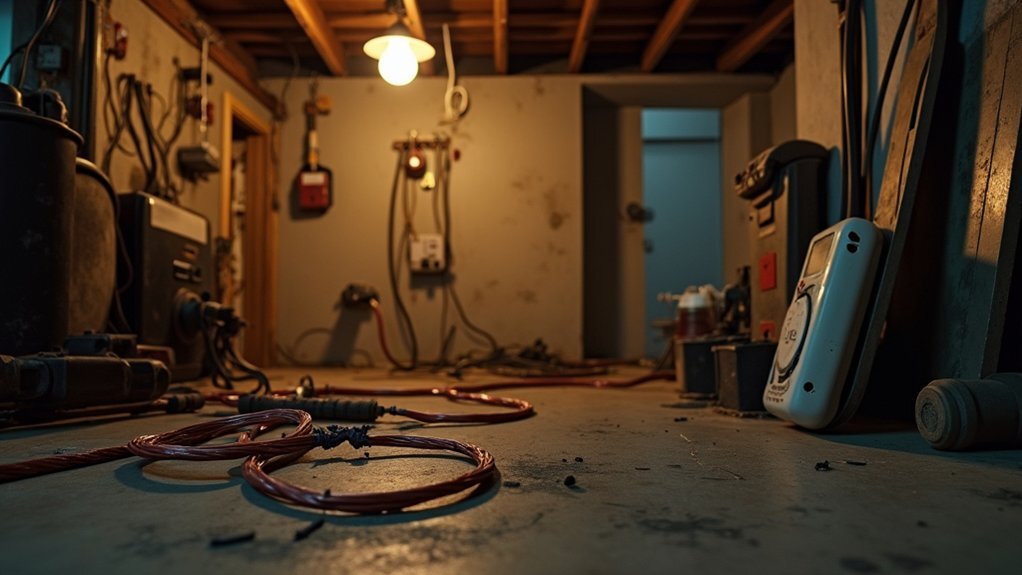
While you might think DIY electrical repairs are a simple way to save money, understanding the risks of electrocution is essential. Each year, around 400 people in the U.S. die from electrocution at home, with over 4,000 non-fatal injuries reported. Common causes include damaged wiring and faulty appliances, which can lead to serious shocks or even fires. When you attempt repairs without proper training, you increase your chances of making dangerous mistakes. Modifying wiring can expose hazards, and modern electrical systems are especially tricky. Remember, most electrocutions are preventable, so consulting a qualified professional is always wise. Safety should be your priority, as the consequences of a DIY mishap can be severe and life-altering. For professional electrical work, contact our licensed electricians who prioritize safety.
The Consequences of Lacking Expertise
When tackling DIY electrical repairs without the necessary expertise, you might unknowingly expose yourself to serious risks and consequences. Faulty wiring can lead to devastating fires, accounting for over 51,000 incidents and 500 deaths annually in the U.S. Even minor shocks can result in long-term nerve damage or heart failure. You risk electrocution, as approximately 400 home electrocution deaths occur each year. Additionally, improper installations can invalidate your homeowners' insurance, leaving you financially vulnerable. If you sell your home, unpermitted work could lead to legal complications. With complex systems and outdated wiring, your lack of knowledge can create persistent hazards that threaten both your safety and property. Minor mistakes in electrical work can escalate into significant fire hazards, compromising home safety. Prioritize safety by consulting a licensed electrician instead. Learn more about our professional residential services.
The Complexity of Modern Electrical Systems
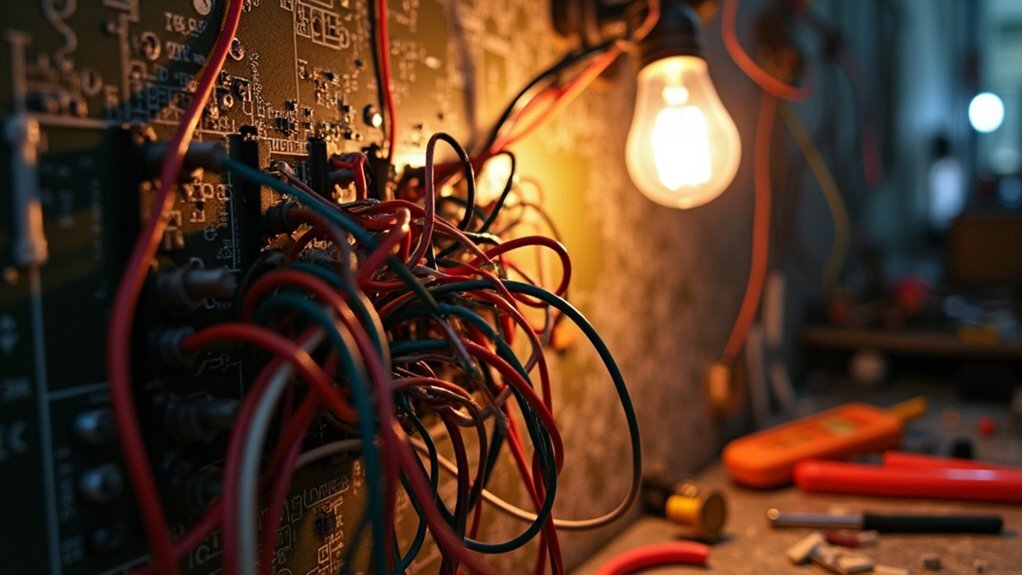
As modern electrical systems evolve, they incorporate increasingly sophisticated technologies that demand a higher level of expertise for effective management and maintenance. You'll find renewable energy sources, smart grids, and advanced control devices are now integral to these systems. These technologies require skilled technicians who understand the complexities of power quality, harmonics, and data management. For example, integrating solar or wind energy can introduce voltage harmonics that complicate system reliability. Additionally, the vast amounts of data generated by modern sensors and monitoring devices necessitate advanced analytical skills for proper maintenance. Without this expertise, DIY repairs can lead to mismanagement of these intricate systems, resulting in inefficiencies and potential failures. Advanced system control devices enhance the control and flexibility of the electrical system, making professional help even more critical. Investing in professional help guarantees safety and maximum system performance. Our experienced team stays current with evolving electrical technologies.
Fire Hazards From Faulty Wiring
Faulty wiring can turn your home into a potential fire hazard, and understanding its dangers is crucial for safety. Each year, electrical problems cause about 67,800 fires in the U.S., leading to 485 deaths and a staggering $868 million in property loss. Surprisingly, wiring issues are responsible for twice as many fires as electrical appliances. Common causes include overloaded circuits, poorly installed wiring, and running cords under rugs, which can damage insulation. Winter months see a spike in electrical fires due to increased appliance use. DIY repairs often amplify these risks, as untrained individuals may neglect safety standards. To protect yourself, always consult a licensed electrician for any electrical work to guarantee your safety and peace of mind. Overloaded electrical circuits are a major cause of residential fires, emphasizing the importance of proper electrical safety awareness. Protect your home with our professional electrical services.
Common Injuries Associated With Electrical Shocks
Electrical hazards don't just pose fire risks; they also lead to serious injuries from electric shocks. You might experience electrocution, which can be fatal, or suffer from involuntary muscle contractions that could stop your heart or breathing. Burns at contact points are common and can require extensive medical treatment. Arc flash injuries can occur even without direct contact, causing severe burns and trauma. You also risk cardiac arrest and neurological damage, which may not show symptoms immediately. Additionally, muscle and tendon injuries can arise from violent contractions or falls. Remember, even low-voltage shocks can be deadly if they pass through your heart. Approximately one-third of fatal accidents occur in private residences, highlighting the importance of safety and consideration in DIY electrical repairs. Always prioritize safety and consider hiring a professional for electrical repairs.
The Financial Impact of DIY Electrical Mistakes
When you take on DIY electrical repairs, the potential financial fallout can be staggering. Repairing faulty wiring typically costs between $1,300 and $3,000, and if the damage is severe, expenses can skyrocket. Professional electricians charge premium rates to fix amateur mistakes, often exceeding the original installation costs. Hidden issues may require demolition, further inflating your repair bill. Plus, code violations can lead to fines or mandated fixes that hit your wallet hard. You might even damage appliances, leading to costly replacements. Homes with visible DIY defects can sell for 5–8% less than market value, and insurance may not cover damages from unpermitted work, leaving you with significant out-of-pocket expenses. Electrical malfunctions are a leading cause of home fires in the U.S., which highlights the severe risks and potential costs associated with DIY electrical work. Avoid these costly mistakes by contacting our professionals for a quote.
Compliance With Safety Standards and Regulations
Neglecting compliance with safety standards and regulations during DIY electrical repairs can lead to serious consequences. You must adhere to the National Electrical Code (NEC) and OSHA regulations to guarantee safety. For instance, proper grounding and bonding are crucial to prevent electrical shocks and fires. Remember, local amendments can complicate compliance, so it's essential to check local codes. Regular updates to the NEC require your attention; staying informed helps you avoid misinterpretation and dangerous setups. Furthermore, non-compliance may result in fines and failed inspections. Always prioritize safety by understanding the required protective equipment and practices. By following these standards, you can greatly reduce the risks associated with DIY electrical work. Additionally, understanding electrical code requirements by room can help ensure that your repairs meet specific safety measures and protections. Our licensed electricians ensure all work meets current codes.
The Importance of Professional Training for Electricians
While some might consider DIY electrical repairs a cost-effective solution, the reality is that professional training for electricians is essential for ensuring safety and competency. Electricians undergo extensive education and apprenticeship programs lasting 4 to 5 years, blending hands-on experience with classroom instruction. This rigorous training equips you with the skills needed to interpret blueprints and comply with electrical codes, minimizing risks like shocks and fires. Professional licensure requires passing thorough exams, ensuring that only qualified individuals handle electrical work. Continuing education keeps electricians updated on evolving technologies. By investing in professional training, you not only enhance your skills but also secure a stable career in a growing field, with median wages reflecting the importance of expertise in electrical work. This demand is expected to rise significantly, with projected employment growth for electricians at 6% annually until 2032. Learn about our team's qualifications and experience.
Exploring Alternatives to DIY Electrical Work
Exploring alternatives to DIY electrical work can save you time, reduce risks, and guarantee safety in your home. Hiring licensed electricians guarantees compliance with safety standards, minimizing fire hazards and shock risks. If your project's minor, a qualified handyman can help, but be cautious—complex tasks are best left to professionals. You can also consider home electrical service companies that offer maintenance contracts and quick repairs for added peace of mind. Renting electrical inspection services can identify hidden issues before they escalate. For simpler tasks, smart home electrical kits allow safe installations without extensive wiring. Choosing these alternatives not only protects your home but also saves you from costly future repairs and potential legal troubles, as licensed electricians possess expertise and qualifications from extensive training. Explore our comprehensive electrical services for your home.
The Long-Term Benefits of Hiring Licensed Electricians
When you hire a licensed electrician, you're investing in safety and reliability for your home's electrical systems. These professionals are well-versed in national and local codes, considerably reducing risks of fire and electrocution. Their expertise guarantees that your electrical installations meet safety regulations, preventing hazards from DIY mistakes. Additionally, licensed electricians carry insurance, protecting you from potential damages or injuries. Furthermore, with the high demand for electricians projected to grow, you can trust that their skills will remain relevant and valuable over time.
Financially, their work can boost your property value and minimize the risk of expensive repairs later. Many insurance policies also require professional installation to maintain coverage. With ongoing training in advanced technologies, licensed electricians adapt your systems for the future, guaranteeing long-term efficiency and performance. Ultimately, hiring licensed professionals is a smart choice for your home's electrical needs. Contact us today to schedule professional electrical service.
Frequently Asked Questions
What Are the Signs of Faulty Wiring in My Home?
You can spot faulty wiring in your home by looking for flickering lights, buzzing outlets, or scorch marks near electrical panels. If you notice warm outlets or frequent circuit breaker trips, it's time for a check-up. Other signs include non-functioning switches, electrical shocks when touching appliances, and higher-than-usual electric bills. If your home is over 30 years old, outdated wiring might be a concern, so keep an eye out for these indicators.
How Can I Find a Qualified Electrician?
To find a qualified electrician, start by checking online platforms like Angi or the Better Business Bureau for reviews. Ask friends or family for recommendations, too. Verify their licensing and insurance to guarantee they meet local regulations. Compare multiple candidates based on credentials and estimates, and make certain they're transparent about costs. Finally, confirm they have experience relevant to your specific electrical needs before making a decision.
Are There Any DIY Electrical Projects That Are Safe?
Yes, there are safe DIY electrical projects you can tackle. Replacing light bulbs or non-hardwired fixtures is generally safe. Changing batteries in smoke detectors poses minimal risk. Tightening screws on outlet covers is low-risk if the power's off. You can also safely replace worn-out switches and outlets, assuming you follow safety precautions. Always turn off the power and use proper tools to guarantee a secure and safe experience while working on these projects.
What Tools Do Professionals Use for Electrical Work?
Professionals use a variety of tools for electrical work. You'll find lineman and needle-nose pliers for gripping and bending wires, along with insulated screwdrivers for safety. Wire strippers help you remove insulation without damaging conductors, while power drills and crimpers make tasks easier. Measurement tools like multimeters and voltage testers verify everything's working correctly. Accessories like fish tape and cable lugs aid in installations, making your electrical projects efficient and secure.
How Can I Prevent Electrical Fires in My Home?
To prevent electrical fires in your home, regularly inspect appliances and cords for damage, and avoid overloading outlets. Verify your wiring meets current safety codes and replace outdated circuit breakers. Always clean lint traps in dryers and avoid running cords under rugs. Install smoke alarms on every floor and in bedrooms, and develop an escape plan. Consider using surge protectors and schedule professional inspections to catch potential hazards before they become dangerous.
Need Professional Electrical Services?
Trust the experts at Darby Electric Service for all your electrical needs in Arlington, TX.
Related Articles
Battery Storage Systems Explained: Powering Your Home During Outages
Learn how battery storage systems provide reliable backup power during outages, integrate with solar panels, and enhance your home's energy independence.

The Future of Energy: How Solar Power Integrates With Modern Electrical Systems
Discover how solar power's rapid growth and innovative technologies are transforming modern electrical systems, creating sustainable energy solutions for residential, commercial, and industrial applications.
How Infrared Scanning Detects Electrical Problems Before They Start
Discover how infrared thermal imaging technology identifies overheating components, loose connections, and potential electrical failures before they become costly emergencies.
Understanding the Difference Between Single-Phase and Three-Phase Power
Learn the key differences between single-phase and three-phase power systems, including efficiency, cost, load handling, and practical applications for residential, commercial, and industrial use.
How to Plan for an Electrical System Expansion in a Growing Business
Learn how to effectively plan for electrical system expansion in your growing business, from assessing infrastructure to implementing energy-efficient solutions and ensuring compliance with safety regulations.
Why Every Business Should Consider an Electrical Maintenance Contract
Discover why electrical maintenance contracts are essential for business success, offering cost savings, enhanced safety, reduced downtime, and improved operational efficiency while protecting your investment.

How Lighting Design Impacts Employee Productivity and Mood
Discover how effective lighting design can boost productivity by over 60%, improve employee mood, and create significant cost savings through strategic implementation of natural and artificial lighting solutions.
Understanding Your Home's Electrical Code Requirements
Learn about essential electrical code requirements for your home, including 2025 updates for EV charging, safety enhancements, and compliance standards to keep your property safe and up to code.
How Whole-Home Surge Protection Keeps Your Electronics Safe
Whole-home surge protection keeps your electronics safe by acting as a robust defense against electrical surges. Installed at your main electrical panel, it uses advanced technologies like Metal Oxide Varistors to absorb excess voltage and divert it safely to ground.
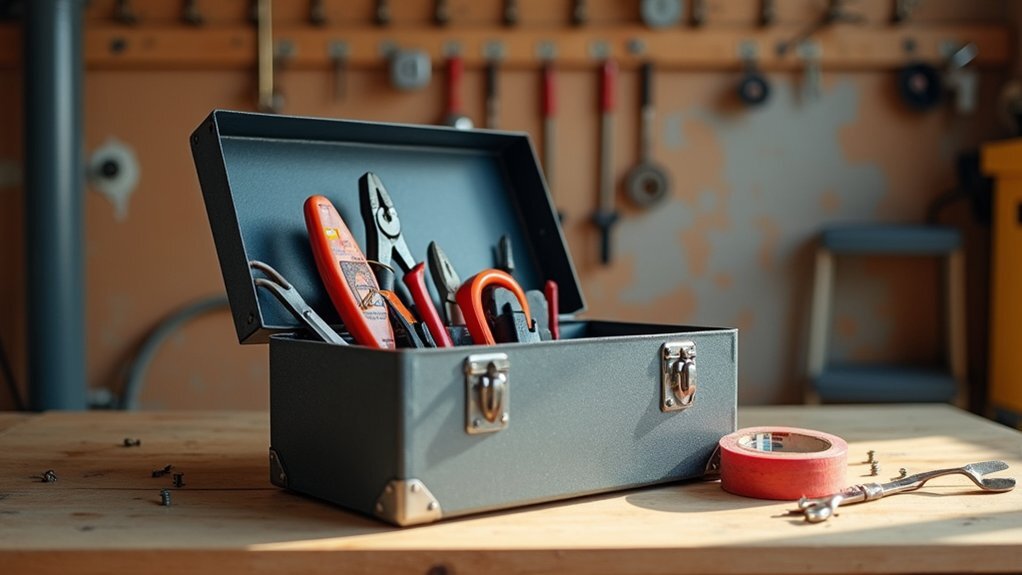
Essential Electrical Tools Every Homeowner Should Own
Discover the must-have electrical tools for every homeowner. From voltage testers to wire strippers, learn about the essential equipment that ensures safety and efficiency in your electrical projects.
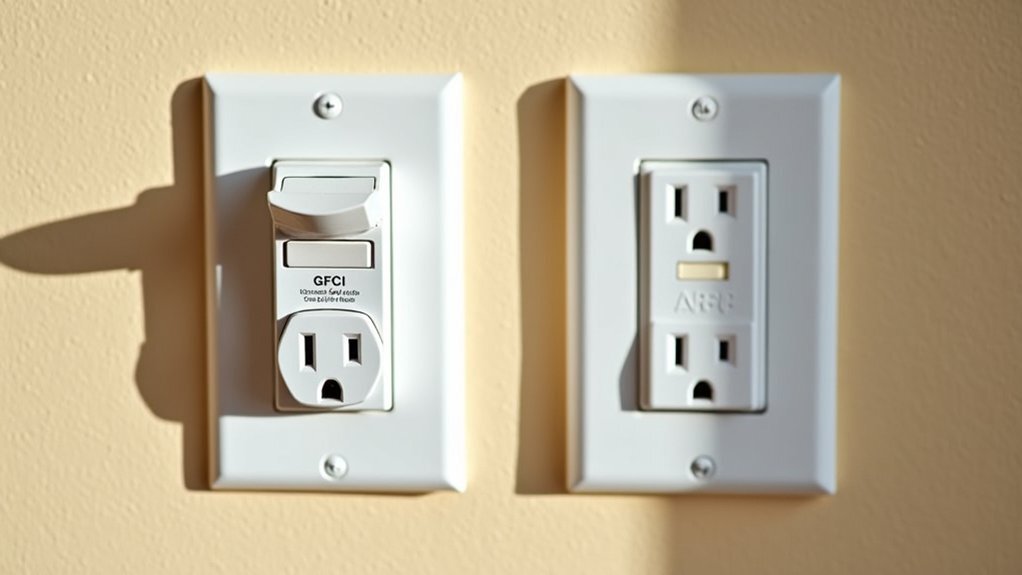
What Is the Difference Between GFCI and AFCI Outlets?
GFCI and AFCI outlets have different safety roles in your home. GFCIs protect against electrical shocks by shutting off power when they detect imbalances in electrical current, while AFCIs prevent electrical fires by identifying dangerous arcing conditions in wiring.
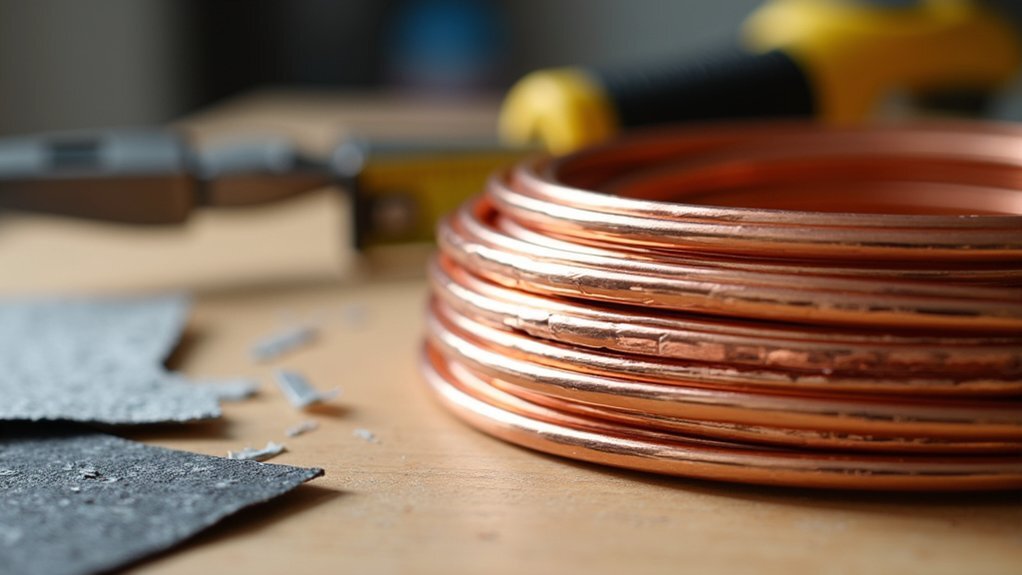
Why You Should Switch to Copper Wiring for Home Safety
Switching to copper wiring is essential for your home's safety. Copper offers superior electrical conductivity, reducing energy loss and minimizing fire risks. Learn about its durability, cost-effectiveness, and compliance with safety codes.
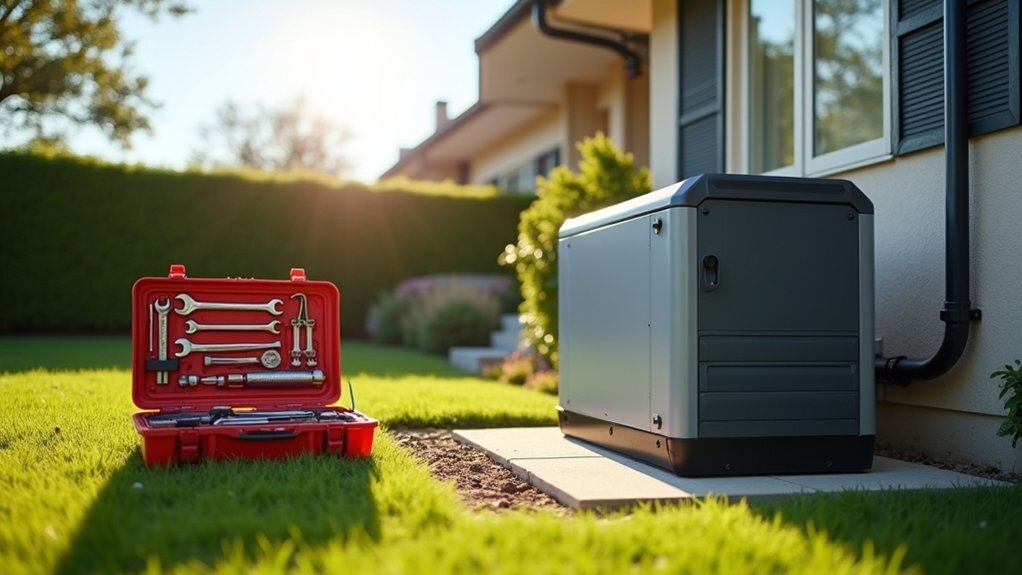
Generator Installation and Maintenance: What Homeowners Need to Know
When it comes to generator installation and maintenance, you've got to get it right for safety and efficiency. Learn about proper placement, electrical connections, maintenance routines, and safety guidelines for reliable backup power.
Smart Thermostats: Are They Worth the Investment?
Smart thermostats can cut your energy bills by 10-15% while enhancing comfort and convenience. Learn about their features, benefits, and whether they're worth the investment for your home.
Steps to Lower Your Electricity Bill Without Major Upgrades
Discover simple yet effective strategies to reduce your electricity costs without expensive home renovations. Learn about thermostat optimization, appliance efficiency, and energy-saving habits.

Electric Vehicle Charging Station Installation for Residences
Learn how to install an electric vehicle charging station at home with expert guidance on charger types, electrical requirements, permits, and professional installation.
How Often Should I Schedule Professional Electrical Inspections?
Learn the recommended frequency for residential and commercial electrical inspections to keep your property safe and compliant with electrical codes.
Smart Home Electrical Upgrades That Boost Comfort and Security
Discover how smart home electrical upgrades can enhance your comfort, security, and energy efficiency while increasing your property value.

Outdoor Lighting Design and Installation Tips for Businesses
Achieve a stunning outdoor lighting design for your business that enhances safety and aesthetics—discover essential tips to illuminate your space effectively.
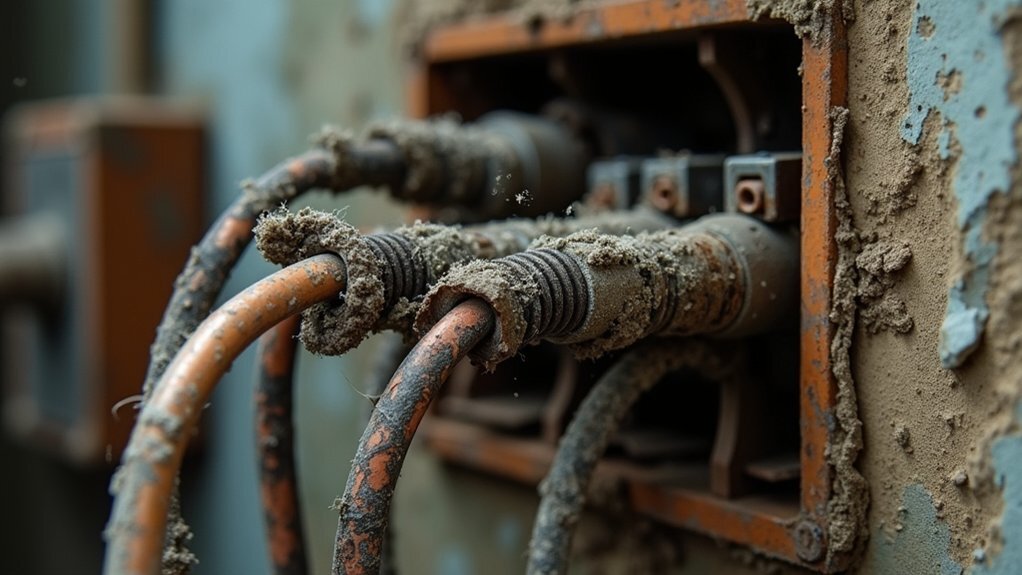
The Risks of Outdated Electrical Wiring in Older Properties
Outdated electrical wiring in older properties presents serious risks. It can cause fires due to overheating and deteriorating insulation, while also increasing the danger of electrocution from exposed wires. These old systems often can't handle modern appliance demands.

How to Teach Children Electrical Safety at Home
Learn essential strategies to teach your kids electrical safety at home. From understanding basic electricity concepts to recognizing hazards and establishing safety practices, discover how to protect your children from electrical dangers through engaging education and safety equipment.