How Lighting Design Impacts Employee Productivity and Mood
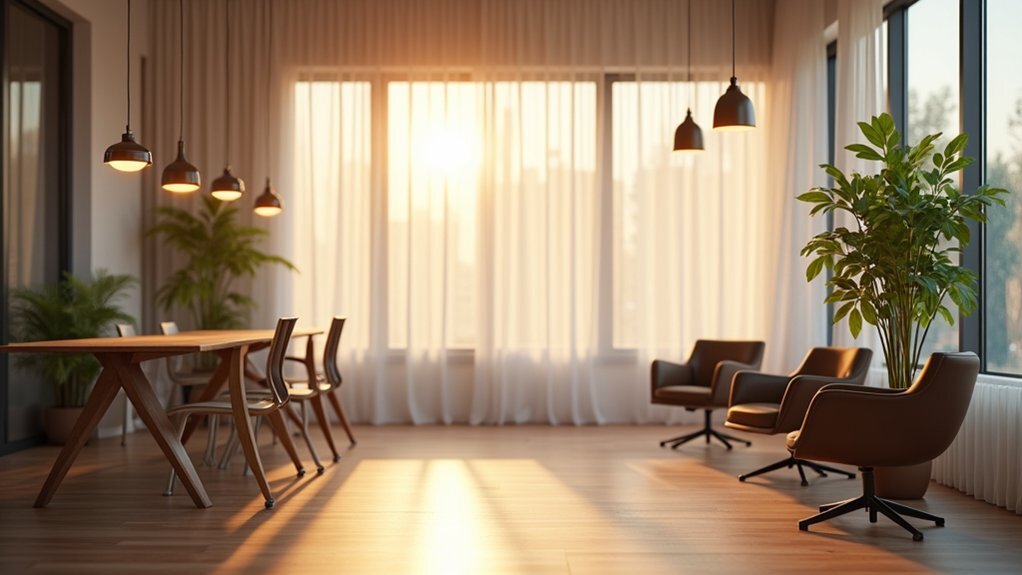
Effective lighting design greatly impacts your productivity and mood in the workplace. Natural light can boost your productivity by over 60% while reducing stress and improving well-being. Ideal light intensity and the right color temperature can enhance focus and creativity. Balancing warmth and cool tones is key for various tasks. Plus, upgrading to energy-efficient lighting saves costs long-term. Discovering the right lighting setup could transform your work environment into a more vibrant and productive space.
Key Takeaways
- Natural light exposure boosts productivity by over 60%, enhancing employee health and well-being.
- Proper light intensity between 300 to 500 lux prevents eye strain and promotes visual comfort.
- Cool lighting (5000K-6500K) enhances alertness and concentration, improving cognitive performance for tasks requiring focus.
- Warmer lighting (2700K-3000K) fosters a cozy atmosphere, promoting relaxation and creative problem-solving.
- Quality lighting design, including natural light, improves employee satisfaction, mood, and overall workplace morale.
The Financial Impact of Natural Light on Productivity

When you consider the financial impact of natural light on productivity, it's clear that the benefits extend far beyond aesthetics. Studies show that natural light can boost your productivity by over 60%, translating into significant financial gains for your organization. Better health and well-being linked to natural light can reduce healthcare costs and enhance job satisfaction. Plus, employees are more likely to stay with a company that prioritizes natural light, which lowers turnover costs. You'll also see a 6.5% drop in absenteeism, saving money on lost work hours. By incorporating natural light into your commercial office design, you can cut down on energy costs, creating a more cost-effective and productive work environment. This is because proper circadian rhythm functioning boosts mood and reduces sluggishness, further enhancing overall performance.
Optimal Light Intensity for Enhanced Employee Performance
Achieving ideal light intensity is vital for enhancing employee performance and overall productivity in the workplace. Ideally, you should aim for an illuminance range of 300 to 500 lux for office tasks. This balance guarantees sufficient brightness without causing discomfort. For activities like reading or typing, European standards recommend a minimum of 500 lux on work surfaces to minimize errors. Surrounding areas should maintain at least 300 lux, while general spaces can be illuminated at 200 lux. Consistent light distribution is essential to avoid visual strain. Remember, exceeding recommended levels can lead to glare and stress, ultimately hindering productivity. Properly adjusted lighting enhances alertness and reduces fatigue, creating a more focused and engaged workforce. Additionally, natural light exposure during the day synchronizes circadian rhythms, further improving overall employee well-being.
The Role of Color Temperature in Shaping Mood and Alertness

Color temperature plays an essential role in shaping your mood and alertness throughout the workday. Warm lighting, around 2700K-3000K, creates a cozy atmosphere, helping you relax but may hinder focus. In contrast, cool lighting (5000K-6500K) enhances your alertness, improving concentration and productivity. It's vital to take into account these effects when designing your workspace. For tasks requiring sustained attention, cool light can boost cognitive performance, while warm light may help with creative problem-solving in a relaxed setting. However, exposure to cool light in the evening can disrupt your sleep cycle by suppressing melatonin. By choosing the right color temperature for your commercial facility, you can create an environment that supports both your mood and productivity effectively. Colored lights have been shown to significantly affect mood, underscoring the importance of selecting appropriate lighting for your workspace.
Designing for Visual Comfort: Avoiding Common Pitfalls
Although lighting design might seem like a minor detail, it plays an essential role in guaranteeing visual comfort in the workplace. To avoid common pitfalls, aim for ideal illuminance levels between 300 and 500 lux. Too dim lighting leads to eye strain, while overly bright lighting causes glare and discomfort. Uneven light distribution can also create zones of discomfort, so maintain consistent levels throughout the workspace. Additionally, vertical illuminance has been identified as a key metric for assessing visual comfort in office environments.
To control glare, use diffusers and indirect lighting, and be mindful of reflective surfaces. Incorporating natural light boosts mood and alertness, but balance it with artificial lighting to maintain comfort. Finally, prioritize high-quality lighting with a good color rendering index to enhance color discrimination and reduce fatigue.
Economic Advantages of Upgrading Lighting Systems

When you upgrade your lighting systems, you not only enhance the workplace environment but also reveal significant economic benefits. Switching to LED lighting can reduce energy consumption by up to 80%, cutting your lighting costs from 20%-30% to just 4%-6% of your total energy bill. This means annual savings of $5,000-$7,000 can drop to around $1,000-$1,400 in a 10,000 sq ft space. Plus, with LEDs lasting 3 to 25 times longer than traditional bulbs, you'll spend less on replacements and maintenance. Lower maintenance costs also contribute to ongoing savings, as the reduced need for bulb replacements leads to decreased maintenance expenditures. Don't forget about tax incentives and utility rebates, which can significantly minimize initial upgrade costs. All these factors make upgrading your lighting a smart financial decision that pays off in many ways. Contact our team to learn more about commercial lighting upgrades.
How Lighting Influences Employee Well-Being
Lighting plays an essential role in your overall well-being at work, affecting everything from your mood to your physical health. When your workspace mimics natural daylight, it can boost your alertness and reduce feelings of sleepiness. This alignment with your body's circadian rhythms improves your mood and energy levels throughout the day. On the flip side, a lack of natural light can disrupt these rhythms, leading to conditions like Seasonal Affective Disorder. Proper lighting also minimizes eye strain and headaches, contributing to better physical health. Additionally, light color temperature matters—cooler light enhances alertness while warmer light helps you relax. By tailoring lighting to specific tasks, you can further enhance your comfort and productivity, making for a healthier work environment. Optimal lighting supports healthy workplace behavior, which is crucial for maintaining employee wellness.
Natural Light vs. Artificial Light: Finding the Balance
Finding the right balance between natural and artificial light is key to creating an ideal work environment. Natural light aligns with your circadian rhythms, enhancing alertness and mood. When you have access to windows, you're likely to feel more energized and satisfied, with studies showing a 60% productivity increase with adequate natural light. On the other hand, artificial light can disrupt these rhythms, leading to fatigue and health issues. Combining natural and bright artificial light further boosts your alertness and visual comfort. Remember, the right lighting reduces stress, enhances creativity, and improves overall well-being. Prioritizing natural light can help you combat feelings of sluggishness and increase job satisfaction, making your workspace a more vibrant place to thrive.
Tailoring Lighting Solutions for Different Work Zones
Creating a workspace that fosters productivity involves tailoring lighting solutions to the specific needs of different work zones. For tasks requiring high concentration, like coding or writing, opt for cooler tones to enhance alertness. In creative areas, warmer lighting promotes relaxation and inspiration. Meeting rooms should feature higher illuminance levels to facilitate effective discussions and clear communication. Shared workspaces benefit from flexible lighting systems that cater to diverse work styles. Private offices should allow for personalized lighting preferences to boost comfort and productivity. By adopting energy-efficient options, like adjustable LEDs, you can reduce costs while ensuring ideal lighting for each zone. Our commercial electrical services can help you design and implement tailored lighting solutions effectively, creating an environment that maximizes employee productivity and well-being, as proper lighting influences mood, sleep quality, and cognitive function.
The Connection Between Lighting Quality and Employee Satisfaction
A well-designed workspace not only considers the specific needs of various work zones but also emphasizes the quality of lighting to enhance employee satisfaction. Natural light integration significantly boosts your mood and job satisfaction. When you're exposed to daylight, you're likely to feel more emotionally balanced and positive. Circadian lighting systems that adjust color temperature throughout the day can further support your body's rhythms, improving your overall well-being. Research shows that warm and intermediate color temperatures are perceived as more pleasant, enhancing your satisfaction levels. Conversely, poor lighting quality can lead to anxiety and distress, negatively impacting your productivity. Ensuring good visual comfort and appropriate illuminance is crucial for maintaining your focus, alertness, and overall job satisfaction. Optimal lighting enhances mood, concentration, and job satisfaction, further solidifying its importance in the workplace.
Long-Term Benefits of Investing in Effective Lighting Design
Investing in effective lighting design yields significant long-term benefits for both employees and organizations. When you incorporate natural light, you enhance your team's mood and reduce stress, which leads to better overall health and relaxation. Improved sleep quality contributes to increased focus and productivity, allowing your employees to perform tasks more efficiently. Additionally, daylit work environments lead to higher employee productivity, further emphasizing the value of effective lighting. Energy-efficient lighting cuts operational costs, boosting profitability over time. A well-lit workspace not only attracts top talent but also retains valuable employees, creating a positive atmosphere that fosters teamwork and morale. By prioritizing effective lighting through professional commercial electrical services, you position your organization competitively, enhancing your brand image and ensuring long-term success. Ultimately, the right lighting design is a smart investment in your workforce's well-being and productivity.
Frequently Asked Questions
How Does Lighting Design Affect Creativity in the Workplace?
Lighting design significantly affects creativity in the workplace. When you use bright, cool light, it boosts your focus and alertness, enhancing your problem-solving skills. Warmer tones create a relaxed atmosphere, perfect for brainstorming. Natural light elevates your mood and energy levels, stimulating creative thinking. By adjusting light intensity and color, you can tailor your environment to suit different creative tasks, ultimately fostering innovative ideas and improving your overall creative performance.
Can Lighting Improve Collaboration Among Team Members?
Yes, lighting can greatly improve collaboration among team members. When you use brighter, cooler lighting in teamwork areas, it stimulates creativity and focus. Having adjustable lighting allows everyone to customize their space for ideal collaboration. Natural light combined with smart lighting systems creates a comfortable atmosphere that encourages interaction. By ensuring proper light quality, you reduce eye strain and fatigue, fostering an environment where ideas flow freely and team dynamics thrive.
What Role Does Lighting Play in Employee Retention?
Lighting plays an essential role in employee retention by enhancing satisfaction and well-being. When you work in well-lit spaces, especially with natural light, you feel less stressed and more connected to your environment. Personalized lighting options empower you, boosting your engagement. Conversely, poor lighting can lead to discomfort and fatigue, making you less likely to stay. Companies that invest in quality lighting tend to see lower turnover and improved employee loyalty.
How Can Lighting Design Influence Remote Work Productivity?
Lighting design can greatly influence your productivity while working remotely. When you have adjustable and biodynamic lighting that mimics natural light, you're more likely to feel alert and focused. Proper lighting helps reduce eye strain and enhances your mood, making it easier to concentrate on tasks. By creating a well-lit environment, you can maintain your circadian rhythms, boosting your overall performance and job satisfaction throughout the day.
Are There Specific Lighting Solutions for Different Job Roles?
Yes, there are specific lighting solutions tailored for different job roles. For office workers, adjustable task lighting and circadian systems enhance focus and reduce stress. In manufacturing, high-bay LED fixtures guarantee safety and precision, while task-specific lights aid inspections. Healthcare professionals benefit from warmer lighting in patient areas and bright lights in operating rooms. Creative roles thrive on color-tunable LED systems and track lighting to enhance presentations and foster collaboration.
Need Professional Electrical Services?
Trust the experts at Darby Electric Service for all your electrical needs in Arlington, TX.
Related Articles
Battery Storage Systems Explained: Powering Your Home During Outages
Learn how battery storage systems provide reliable backup power during outages, integrate with solar panels, and enhance your home's energy independence.

The Future of Energy: How Solar Power Integrates With Modern Electrical Systems
Discover how solar power's rapid growth and innovative technologies are transforming modern electrical systems, creating sustainable energy solutions for residential, commercial, and industrial applications.
How Infrared Scanning Detects Electrical Problems Before They Start
Discover how infrared thermal imaging technology identifies overheating components, loose connections, and potential electrical failures before they become costly emergencies.
Understanding the Difference Between Single-Phase and Three-Phase Power
Learn the key differences between single-phase and three-phase power systems, including efficiency, cost, load handling, and practical applications for residential, commercial, and industrial use.
How to Plan for an Electrical System Expansion in a Growing Business
Learn how to effectively plan for electrical system expansion in your growing business, from assessing infrastructure to implementing energy-efficient solutions and ensuring compliance with safety regulations.
Why Every Business Should Consider an Electrical Maintenance Contract
Discover why electrical maintenance contracts are essential for business success, offering cost savings, enhanced safety, reduced downtime, and improved operational efficiency while protecting your investment.
Understanding Your Home's Electrical Code Requirements
Learn about essential electrical code requirements for your home, including 2025 updates for EV charging, safety enhancements, and compliance standards to keep your property safe and up to code.

The Hidden Dangers of DIY Electrical Repairs
DIY electrical repairs can hide serious dangers. You risk electrocution, as many accidents lead to deaths and injuries each year. Without expertise, you may create fire hazards that can damage your property and invalidate your homeowners' insurance.
How Whole-Home Surge Protection Keeps Your Electronics Safe
Whole-home surge protection keeps your electronics safe by acting as a robust defense against electrical surges. Installed at your main electrical panel, it uses advanced technologies like Metal Oxide Varistors to absorb excess voltage and divert it safely to ground.

Essential Electrical Tools Every Homeowner Should Own
Discover the must-have electrical tools for every homeowner. From voltage testers to wire strippers, learn about the essential equipment that ensures safety and efficiency in your electrical projects.
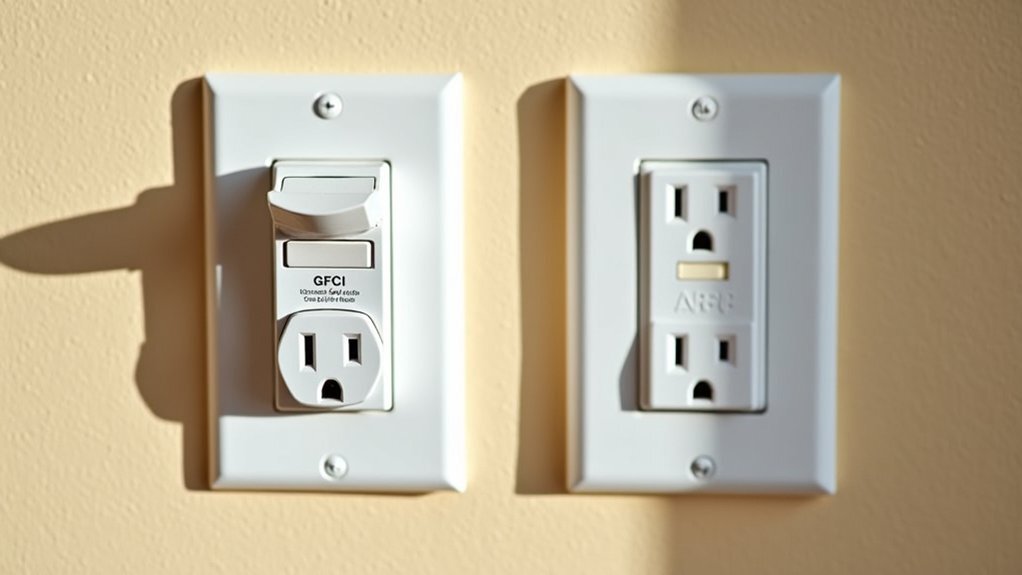
What Is the Difference Between GFCI and AFCI Outlets?
GFCI and AFCI outlets have different safety roles in your home. GFCIs protect against electrical shocks by shutting off power when they detect imbalances in electrical current, while AFCIs prevent electrical fires by identifying dangerous arcing conditions in wiring.
Why You Should Switch to Copper Wiring for Home Safety
Switching to copper wiring is essential for your home's safety. Copper offers superior electrical conductivity, reducing energy loss and minimizing fire risks. Learn about its durability, cost-effectiveness, and compliance with safety codes.

Generator Installation and Maintenance: What Homeowners Need to Know
When it comes to generator installation and maintenance, you've got to get it right for safety and efficiency. Learn about proper placement, electrical connections, maintenance routines, and safety guidelines for reliable backup power.
Smart Thermostats: Are They Worth the Investment?
Smart thermostats can cut your energy bills by 10-15% while enhancing comfort and convenience. Learn about their features, benefits, and whether they're worth the investment for your home.
Steps to Lower Your Electricity Bill Without Major Upgrades
Discover simple yet effective strategies to reduce your electricity costs without expensive home renovations. Learn about thermostat optimization, appliance efficiency, and energy-saving habits.
Electric Vehicle Charging Station Installation for Residences
Learn how to install an electric vehicle charging station at home with expert guidance on charger types, electrical requirements, permits, and professional installation.
How Often Should I Schedule Professional Electrical Inspections?
Learn the recommended frequency for residential and commercial electrical inspections to keep your property safe and compliant with electrical codes.
Smart Home Electrical Upgrades That Boost Comfort and Security
Discover how smart home electrical upgrades can enhance your comfort, security, and energy efficiency while increasing your property value.

Outdoor Lighting Design and Installation Tips for Businesses
Achieve a stunning outdoor lighting design for your business that enhances safety and aesthetics—discover essential tips to illuminate your space effectively.

The Risks of Outdated Electrical Wiring in Older Properties
Outdated electrical wiring in older properties presents serious risks. It can cause fires due to overheating and deteriorating insulation, while also increasing the danger of electrocution from exposed wires. These old systems often can't handle modern appliance demands.
How to Teach Children Electrical Safety at Home
Learn essential strategies to teach your kids electrical safety at home. From understanding basic electricity concepts to recognizing hazards and establishing safety practices, discover how to protect your children from electrical dangers through engaging education and safety equipment.