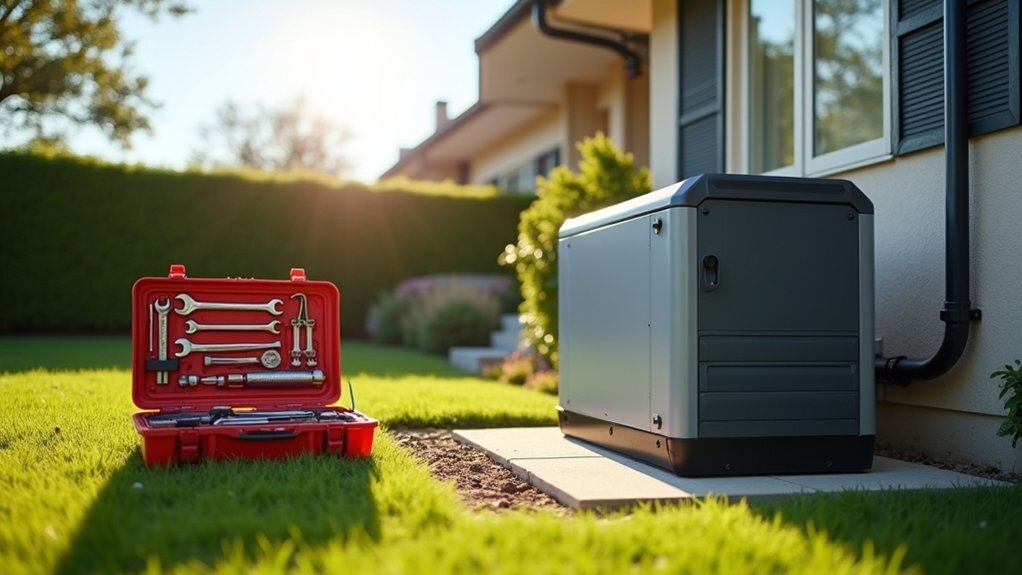
Generator Installation and Maintenance: What Homeowners Need to Know
When it comes to generator installation and maintenance, you've got to get it right for safety and efficiency. Choose the right type of generator and guarantee proper placement outdoors, away from openings. Always use a transfer switch and consider professional installation to meet regulations. Routine maintenance is key; check oil levels and run your generator monthly. Staying ahead of potential hazards and understanding your power needs can make all the difference, so keep going for essential tips!
Key Takeaways
- Always use a transfer switch to safely isolate generator power from the utility grid and prevent backfeeding hazards.
- Position the generator outdoors, at least 20 feet away from doors and windows, on a stable, non-combustible surface.
- Hire licensed electricians for professional installation to ensure compliance with safety codes and proper electrical connections.
- Store fuel in approved containers, away from living spaces, and regularly inspect for leaks or damage.
- Perform routine maintenance, including monthly runs and oil changes, to ensure reliability during outages.
Understanding Generator Types and Their Uses
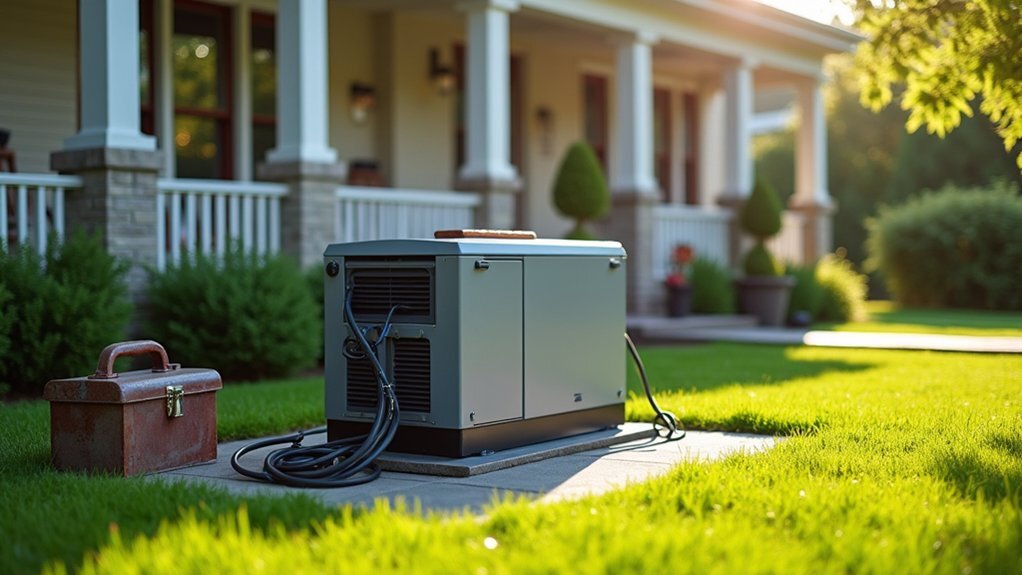
When considering a generator for your home, it's essential to understand the different types available and their specific uses. Standby generators are permanently installed, providing continuous backup power during outages, while portable generators are movable and perfect for temporary needs. If you need to power your entire home, a whole-house generator, usually between 22 kW and 48 kW, is your best bet. For essential circuits, standard home standby generators offer 9 kW to 20 kW. Inverter generators produce cleaner power, ideal for sensitive electronics, and are typically quieter. Choosing the right type depends on your power needs, usage frequency, and whether you prefer a permanent solution or a more flexible option. Additionally, standby generators come equipped with an Automatic Transfer Switch (ATS), ensuring seamless transitions between utility and generator power during outages.
Key Safety Guidelines for Generator Placement
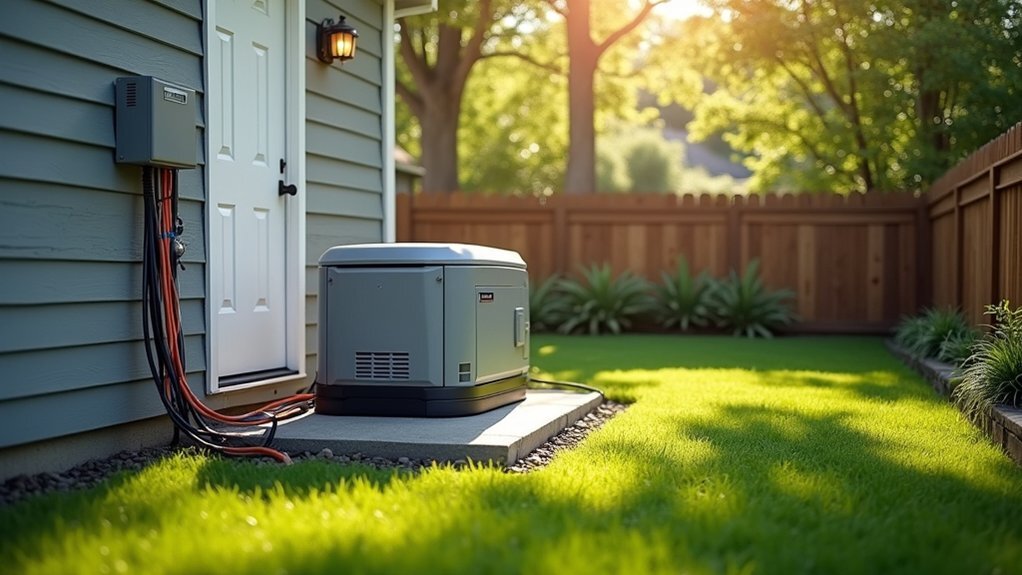
To guarantee your generator operates safely and efficiently, proper placement is essential. Keep the generator at least 5 feet away from any building openings—windows, doors, and vents—to prevent carbon monoxide from entering your home. Make sure it's on a stable, level, non-combustible surface, and maintain a 36-inch clearance for airflow and maintenance. Always position it away from flammable materials, like dry leaves and wooden structures. Avoid placing generators indoors or in enclosed spaces, as this increases the risk of CO poisoning. Finally, check your local ordinances for specific distance requirements, which may recommend up to 25 feet for added safety. Following these guidelines will help minimize hazards and ensure reliable operation, especially since home standby generators can keep power on during grid outages.
Importance of Proper Electrical Connections
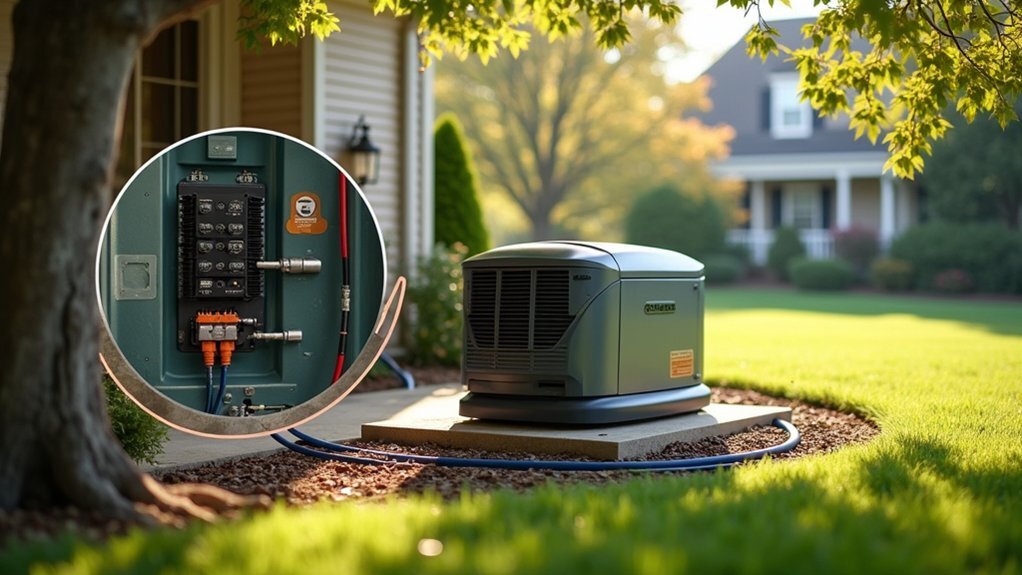
Proper electrical connections are vital for guaranteeing your generator operates safely and effectively. Using a transfer switch is important, as it isolates generator power from the utility grid, preventing dangerous backfeeding hazards. The National Electric Code (NEC) mandates double-pole, double-throw transfer switches for permanent installations, which guarantees generator power doesn't energize utility lines. Proper grounding practices are equally important; connecting your generator frame to a grounding electrode minimizes shock risks. Always follow manufacturer instructions for grounding and use extension cords with grounding conductors. Remember, all wiring must comply with NEC requirements, and it's best to hire licensed electricians for installation. This compliance not only enhances safety but also protects you from potential legal liabilities. Additionally, ensure proper grounding and electrical connections are regularly inspected to maintain safety standards over time.
How to Determine the Right Generator Size
How do you know what size generator you need? Start by considering your home size. If it's under 1,500 sq ft, you'll need 7-10 kW; for 1,500 to 3,000 sq ft, aim for 17-20 kW, and over 3,000 sq ft may require 22-25 kW or more. Next, list essential appliances like your HVAC, refrigerator, and lighting, noting their running and starting wattages. Don't forget to add a 20% safety margin to cover peak loads and surges. Sum the wattages of all appliances you plan to run simultaneously and convert that total to kilowatts by dividing by 1,000. This process helps guarantee your generator can handle your home's power needs efficiently. Choosing the right generator size ensures essential appliances remain operational during outages.
Load Management for Optimal Generator Performance
Once you've determined the right generator size for your home, the next step is managing the load to secure peak performance. Load management balances your electrical needs with the generator's power output, preventing overloads and maintaining efficiency. Start by prioritizing critical loads like refrigeration and HVAC, connecting larger consumers first, then adding smaller ones. Consider load shedding for non-essential devices during peak demand, using either manual or automatic systems. This not only extends your generator's lifespan but also enhances reliability by stabilizing voltage and frequency. Tools like transfer switches and smart power strips can help manage these loads effectively. By implementing these strategies, you'll guarantee your generator runs smoothly while protecting both appliances and the generator itself. Additionally, effective generator load management enhances energy efficiency and contributes to significant cost savings over time.
Safe Fuel Handling and Storage Practices
To guarantee safety while handling and storing fuel, you need to adhere to best practices that minimize risks. Always use containers approved by regulatory agencies, and color-code them: red for gasoline, yellow for diesel, and blue for kerosene. Additionally, it is crucial to use airtight containers to prevent vapor leaks and ensure maximum safety. Store fuel in a cool, dry, well-ventilated area, away from living spaces and ignition sources. Maintain clearances around storage areas and comply with local fire codes. Never overfill containers; leave about 5% empty space for expansion. Use personal protective equipment and promptly clean up spills with absorbent materials. Regularly inspect your fuel containers and rotate stored fuel according to shelf life. Following these guidelines guarantees safe fuel management and storage for your generator.
Recognizing and Mitigating Safety Hazards
Proper fuel handling and storage practices lay the groundwork for safe generator use, but recognizing and mitigating safety hazards is just as important. Avoid connecting your generator directly to your home's electrical system without a transfer switch, as it poses shock risks. Always use grounded, undamaged extension cords rated for your appliances and never operate your generator in wet conditions. Keep it outside, away from doors and windows, to prevent carbon monoxide buildup. Over 900 U.S. deaths occur due to CO poisoning from improper generator use, highlighting the necessity of these precautions. Store fuel away from living areas and never refuel while the generator is running. Regularly inspect cords for damage and guarantee the generator is properly grounded. Following these safety measures will help protect you, your family, and your neighbors.
Routine Maintenance for Longevity and Efficiency
Maintaining your generator with routine care not only enhances its longevity but also guarantees it operates efficiently when you need it most. Start with weekly procedures: run your generator for 15-30 minutes under full load, check for leaks, verify the circuit breaker is secure, and confirm the battery's condition. Monthly, clear debris around the unit, inspect fuel delivery systems, and check oil levels. Change oil and filters every six months or after 400 hours of use to prevent wear. Don't forget to inspect air filters regularly, replacing them as needed for peak airflow. By following these steps, you'll keep your generator in top shape, ensuring reliable performance during outages, as regular maintenance increases reliability and helps prevent unexpected failures.
Professional Installation Considerations
When considering generator installation, it's vital to have a professional assess your site to determine the best location for your unit. They'll evaluate factors like gas and electrical connections, ventilation needs, and compliance with local safety codes. The generator should sit on a stable, level surface, like a concrete pad, to prevent shifting. Following manufacturer specifications, it must be placed at least 60 inches from openings and 36 inches from obstructions. Professionals will also handle permits and inspections, guaranteeing adherence to local codes and regulations. Proper electrical and fuel system integration is pivotal, as experienced electricians will guarantee safe connections and seamless operation. This thorough planning avoids potential fines and secures reliable performance when you need it most. Additionally, evaluating power needs will help in determining the appropriate generator size for your home.
Emergency Preparedness and Generator Use
Understanding how to use your generator during emergencies is just as important as having it professionally installed. Always operate your generator outdoors, at least 20 feet away from doors and windows to prevent carbon monoxide poisoning. Place it on a dry, level surface under a canopy to protect against the weather. Never use it indoors or in enclosed spaces. Generators produce deadly carbon monoxide, so store fuel in approved safety cans outside living areas and turn off the generator before refueling. Connect essential appliances directly to the generator using heavy-duty, outdoor-rated extension cords, avoiding backfeeding. Assess your power needs and prepare for short-term outages, ensuring you have enough fuel. Regularly test and maintain your generator for reliable operation when you need it most.
Frequently Asked Questions
How Do I Choose the Right Fuel for My Generator?
To choose the right fuel for your generator, consider your location, usage needs, and storage capabilities. If you live in an area with reliable utility access, natural gas might be best. For rural settings, diesel could provide independence. If you need longevity, go for propane, as it stores well. For portable use, gasoline works, but keep in mind its shorter shelf life. Always weigh efficiency, maintenance, and environmental impact when deciding.
Can I Use My Generator During a Storm or Heavy Rain?
No, you shouldn't use your generator during a storm or heavy rain. Moisture increases the risk of electric shock, and operating it in wet conditions can be dangerous. Always keep your generator outdoors in a well-ventilated area, at least 20 feet from your home. Make sure it's covered to stay dry but still ventilated. Always prioritize safety by avoiding use in adverse weather conditions to prevent accidents and hazards.
What Are the Signs My Generator Needs Repair?
If your generator struggles to start, makes unusual noises, or frequently stalls, it likely needs repair. You should also pay attention to flickering lights, warm outlets, or burning smells, as these indicate electrical issues. Fuel leaks or excessive exhaust smoke signal combustion problems. If you notice an increase in breakdowns or repairs, it's time to evaluate your generator's reliability and consider professional help to prevent further complications.
How Often Should I Run My Generator if Not in Use?
You should run your generator at least once a month for about 30 minutes. This keeps the components lubricated, prevents mechanical issues, and helps identify any potential problems early. Regular running also prevents moisture buildup and fuel degradation, ensuring it's ready when you need it. Don't let it sit unused for extended periods, as inactivity can lead to battery failure and engine deterioration, impacting its performance during an emergency.
Are There Specific Local Regulations for Generator Installation?
Yes, there are specific local regulations for generator installation. You'll need to check your local government's requirements, as they often mandate permits, adherence to building codes, and safety ordinances. Regulations can vary based on zoning classifications and may include noise limits and setback distances from your home and other structures. Always consult a licensed electrician to guarantee compliance with electrical codes and manufacturer guidelines during installation for safety and legality.
Need Professional Electrical Services?
Trust the experts at Darby Electric Service for all your electrical needs in Arlington, TX.
Related Articles
Battery Storage Systems Explained: Powering Your Home During Outages
Learn how battery storage systems provide reliable backup power during outages, integrate with solar panels, and enhance your home's energy independence.
The Future of Energy: How Solar Power Integrates With Modern Electrical Systems
Discover how solar power's rapid growth and innovative technologies are transforming modern electrical systems, creating sustainable energy solutions for residential, commercial, and industrial applications.
How Infrared Scanning Detects Electrical Problems Before They Start
Discover how infrared thermal imaging technology identifies overheating components, loose connections, and potential electrical failures before they become costly emergencies.
Understanding the Difference Between Single-Phase and Three-Phase Power
Learn the key differences between single-phase and three-phase power systems, including efficiency, cost, load handling, and practical applications for residential, commercial, and industrial use.
How to Plan for an Electrical System Expansion in a Growing Business
Learn how to effectively plan for electrical system expansion in your growing business, from assessing infrastructure to implementing energy-efficient solutions and ensuring compliance with safety regulations.
Why Every Business Should Consider an Electrical Maintenance Contract
Discover why electrical maintenance contracts are essential for business success, offering cost savings, enhanced safety, reduced downtime, and improved operational efficiency while protecting your investment.

How Lighting Design Impacts Employee Productivity and Mood
Discover how effective lighting design can boost productivity by over 60%, improve employee mood, and create significant cost savings through strategic implementation of natural and artificial lighting solutions.
Understanding Your Home's Electrical Code Requirements
Learn about essential electrical code requirements for your home, including 2025 updates for EV charging, safety enhancements, and compliance standards to keep your property safe and up to code.

The Hidden Dangers of DIY Electrical Repairs
DIY electrical repairs can hide serious dangers. You risk electrocution, as many accidents lead to deaths and injuries each year. Without expertise, you may create fire hazards that can damage your property and invalidate your homeowners' insurance.
How Whole-Home Surge Protection Keeps Your Electronics Safe
Whole-home surge protection keeps your electronics safe by acting as a robust defense against electrical surges. Installed at your main electrical panel, it uses advanced technologies like Metal Oxide Varistors to absorb excess voltage and divert it safely to ground.
Essential Electrical Tools Every Homeowner Should Own
Discover the must-have electrical tools for every homeowner. From voltage testers to wire strippers, learn about the essential equipment that ensures safety and efficiency in your electrical projects.
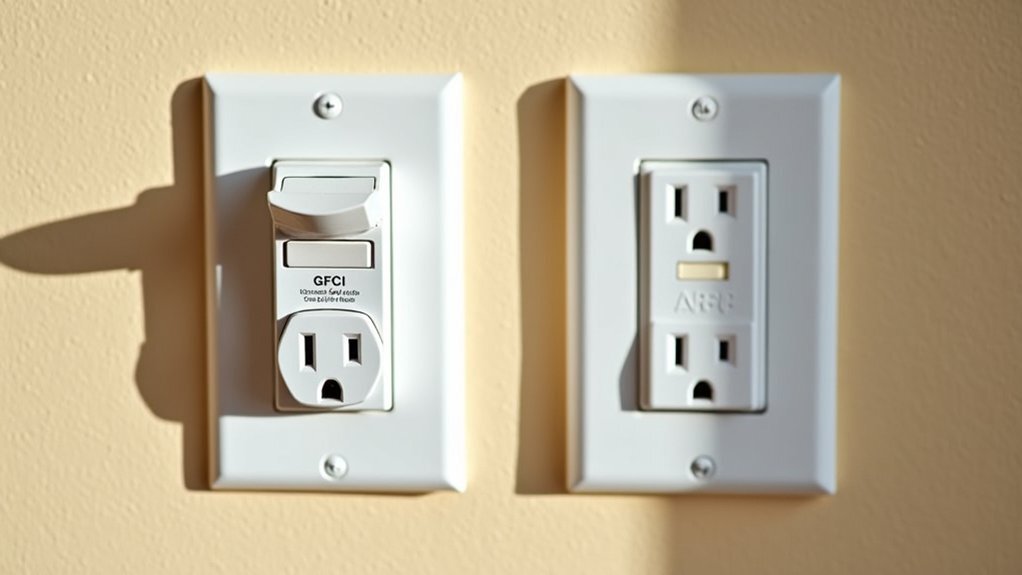
What Is the Difference Between GFCI and AFCI Outlets?
GFCI and AFCI outlets have different safety roles in your home. GFCIs protect against electrical shocks by shutting off power when they detect imbalances in electrical current, while AFCIs prevent electrical fires by identifying dangerous arcing conditions in wiring.
Why You Should Switch to Copper Wiring for Home Safety
Switching to copper wiring is essential for your home's safety. Copper offers superior electrical conductivity, reducing energy loss and minimizing fire risks. Learn about its durability, cost-effectiveness, and compliance with safety codes.
Smart Thermostats: Are They Worth the Investment?
Smart thermostats can cut your energy bills by 10-15% while enhancing comfort and convenience. Learn about their features, benefits, and whether they're worth the investment for your home.

Steps to Lower Your Electricity Bill Without Major Upgrades
Discover simple yet effective strategies to reduce your electricity costs without expensive home renovations. Learn about thermostat optimization, appliance efficiency, and energy-saving habits.

Electric Vehicle Charging Station Installation for Residences
Learn how to install an electric vehicle charging station at home with expert guidance on charger types, electrical requirements, permits, and professional installation.

How Often Should I Schedule Professional Electrical Inspections?
Learn the recommended frequency for residential and commercial electrical inspections to keep your property safe and compliant with electrical codes.
Smart Home Electrical Upgrades That Boost Comfort and Security
Discover how smart home electrical upgrades can enhance your comfort, security, and energy efficiency while increasing your property value.

Outdoor Lighting Design and Installation Tips for Businesses
Achieve a stunning outdoor lighting design for your business that enhances safety and aesthetics—discover essential tips to illuminate your space effectively.
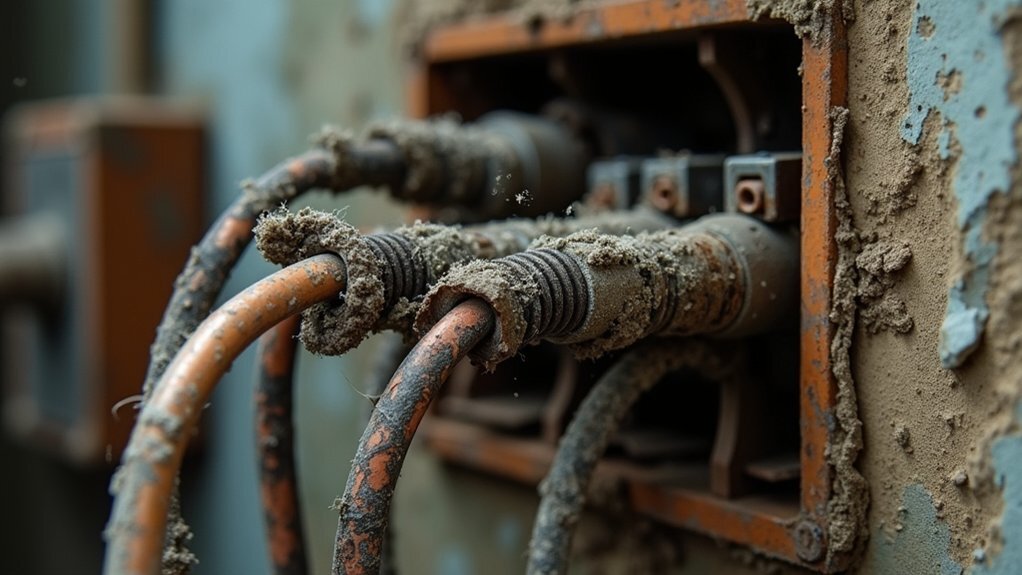
The Risks of Outdated Electrical Wiring in Older Properties
Outdated electrical wiring in older properties presents serious risks. It can cause fires due to overheating and deteriorating insulation, while also increasing the danger of electrocution from exposed wires. These old systems often can't handle modern appliance demands.
How to Teach Children Electrical Safety at Home
Learn essential strategies to teach your kids electrical safety at home. From understanding basic electricity concepts to recognizing hazards and establishing safety practices, discover how to protect your children from electrical dangers through engaging education and safety equipment.