Smart Home Electrical Upgrades That Boost Comfort and Security
Power up your home with smart electrical upgrades that enhance comfort and security—discover the transformative benefits waiting for you inside.
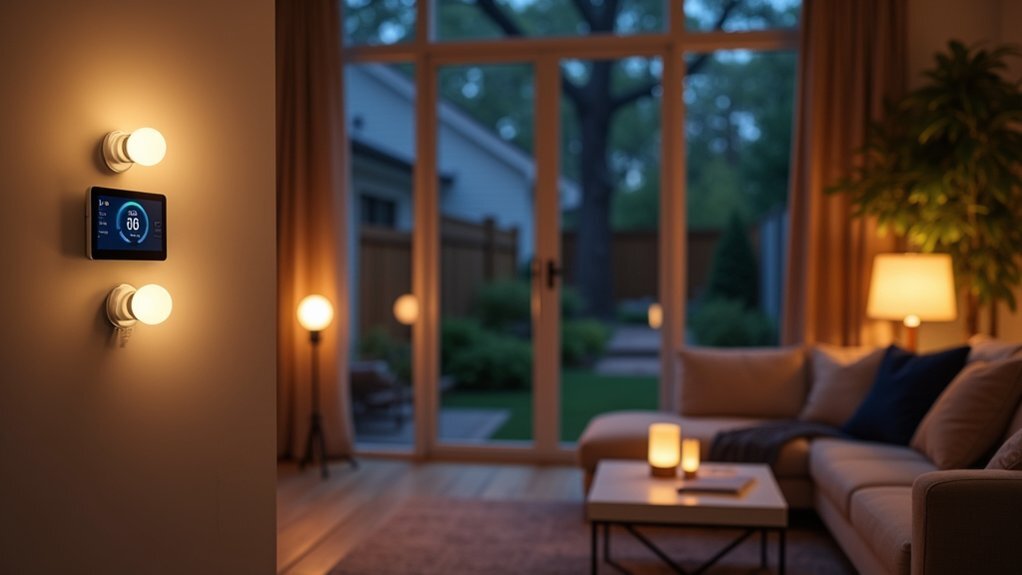
Upgrading your electrical infrastructure with smart home technology not only boosts your comfort but also enhances security. By installing smart thermostats, you can optimize heating and cooling, saving energy and money. Integrating smart lighting and advanced security systems provides safety measures while improving your home's ambiance. These upgrades increase efficiency and protect against hazards. There's a lot more to discover about how smart systems can elevate your living space and security.
Key Takeaways
- Upgrading to modern electrical panels ensures safe operation of multiple smart devices, preventing overloads and outages.
- Enhanced wiring improves safety, reduces fire risks, and supports efficient smart home technology integration.
- Installing smart thermostats optimizes heating and cooling, providing comfort while saving on energy costs.
- Smart security systems, powered by advanced sensors and AI, increase home safety and provide peace of mind.
- Real-time monitoring from upgraded infrastructure allows homeowners to track energy usage and enhance overall comfort and security.
The Rise of Smart Home Automation
As smart home automation continues to evolve, it's clear that this technology is transforming the way you interact with your living space. The global market is booming, projected to skyrocket from USD 132.65 billion in 2025 to a staggering USD 1,149 billion by 2034. In the U.S. alone, about 63% of households owned at least one smart device by 2025, indicating widespread adoption. You might find yourself spending around $2,500 annually on these innovations, enhancing your daily routines. AI integration makes devices smarter, adapting to your preferences and habits. Voice assistants streamline your interactions, while predictive maintenance alerts keep your appliances in top shape. With these advancements, your home becomes a more comfortable and efficient sanctuary. Additionally, 72 million smart speakers are projected to be in use across American households by 2025, highlighting the growing reliance on voice-activated technology in everyday life.
For professional residential electrical services to support your smart home upgrades, our experienced team ensures your electrical infrastructure can safely handle modern smart devices.
Enhancing Energy Efficiency With Smart Technology
With smart technology now at your fingertips, enhancing energy efficiency in your home has never been easier. Smart devices like thermostats can learn your schedule, optimizing heating and cooling to save 10–15% on energy use. Similarly, smart lighting can cut energy consumption by 7–27%, while smart appliances may reduce costs by 2–9%. You can even save up to 50% on energy through smart plugs that manage electronics effectively. By integrating renewable energy sources into your smart home system, you further lower your carbon footprint. Overall, homes equipped with smart technology can see energy consumption reductions of 15–25%, translating into significant savings on your utility bills while also benefiting the environment. Additionally, the integration of IoT devices ensures cohesive operation among home systems, further enhancing energy efficiency.
Advanced Security Features for Peace of Mind
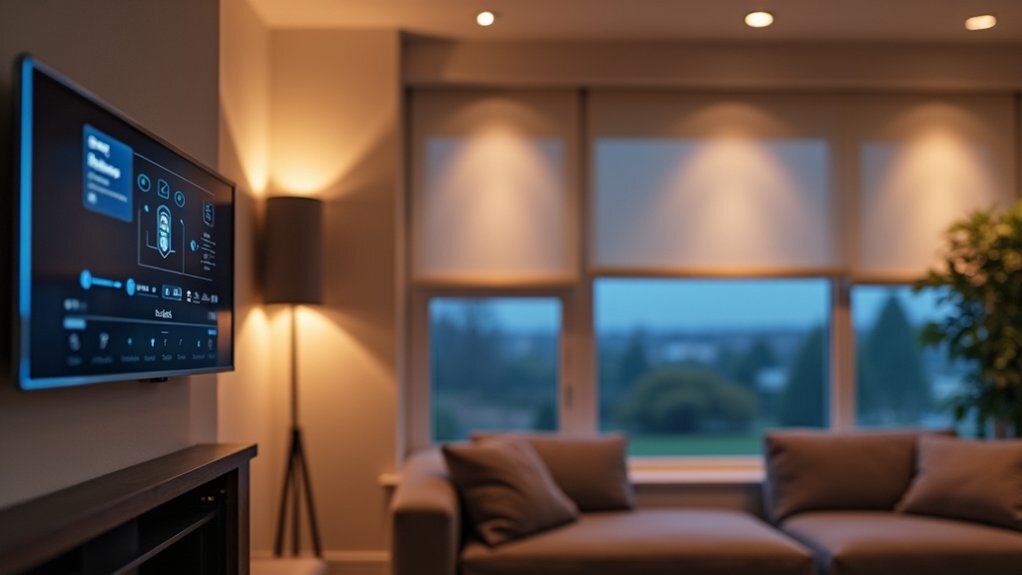
In a world where security concerns are ever-present, advanced smart home security features provide peace of mind like never before. With modern motion sensors that combine infrared and microwave detection, you can accurately capture subtle movements while minimizing false alarms. Multi-sensor systems enhance reliability by cross-verifying threats through sound and light data. The adoption of AI-driven technologies further boosts security; facial recognition and predictive analytics detect threats with remarkable accuracy. Cutting-edge sensor technology ensures that these systems remain effective and reliable in various conditions. Popular features like outdoor cameras and smart locks add an extra layer of protection. As you invest in these systems, you not only enhance safety but also create a responsive home environment that adapts to your needs, ensuring you feel secure at all times.
Importance of Electrical Infrastructure Upgrades
Investing in advanced security features for your smart home is just one part of creating a safe and efficient environment. Upgrading your electrical infrastructure is essential to support the increasing load from multiple smart devices. Older systems can lead to overloads and outages, but modern panels and dedicated circuits guarantee stable power delivery. Enhanced wiring reduces fire risks by replacing outdated materials and improving safety features like arc-fault detection. Additionally, these upgrades boost energy efficiency, allowing you to monitor and optimize usage in real time. With a future-ready electrical system, you'll not only increase your home's value but also seamlessly integrate emerging technologies. This proactive approach guarantees your smart home operates smoothly and safely, enhancing both comfort and security. Furthermore, enhanced energy efficiency contributes to lower utility bills, making your home not only smarter but also more economical.
Our team specializes in electrical panel upgrades and modern wiring to ensure your home's electrical system can safely support all your smart home devices.
Smart Thermostats for Optimal Comfort
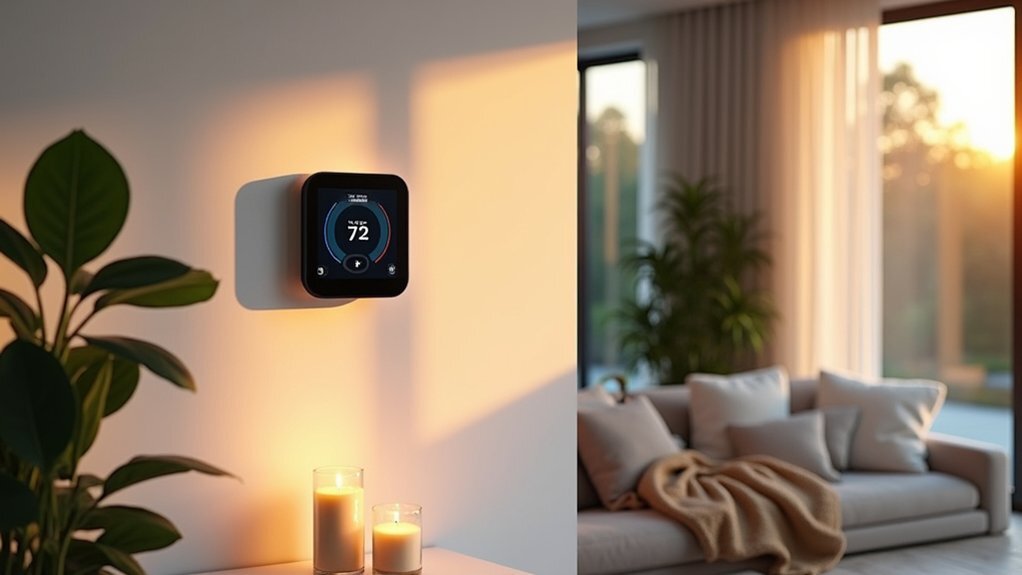
As you embrace the convenience of smart home technology, smart thermostats emerge as an essential element for maintaining ideal comfort and energy efficiency. These devices learn your temperature preferences and daily routines, automatically adjusting to keep your home cozy while minimizing energy waste. You could save between 8-15% on heating and cooling bills—about $50 to $140 annually—thanks to their precise regulation and occupancy-based adjustments. With the ability to predict weather changes and optimize HVAC operation, smart thermostats guarantee a stable indoor climate, preventing discomfort from sudden temperature swings. While the initial investment is around $200, the energy savings typically recuperate that cost within 1-2 years, making it a smart choice for your home. Additionally, smart thermostats improve energy efficiency with precise regulation, contributing to a more sustainable living environment.
Integrating Smart Lighting for Security and Convenience
Smart home technology goes beyond just temperature control; integrating smart lighting can greatly enhance both security and convenience in your home. By automating lighting schedules, you can simulate occupancy, deterring intruders while you're away. These schedules can mimic your typical routines, keeping your home looking active. Motion sensors can light up pathways instantly when you return at night, adding convenience and startling potential intruders. With remote control, you can adjust lighting from anywhere, ensuring your home always appears occupied. Homes appearing occupied significantly reduce burglary risk, making smart lighting an effective security strategy. Plus, smart LED lights save energy, cutting your electricity costs considerably. Overall, smart lighting not only boosts security but also enhances your everyday comfort while being environmentally friendly.
The Role of Smart Security Systems in Home Protection
While many homeowners focus on aesthetics and convenience, the importance of robust security systems in safeguarding your home shouldn't be underestimated. The smart security market is booming, with projections showing growth from $54 billion in 2024 to over $164 billion by 2037. More than 28% of U.S. households already own a security system, and that number continues to rise. AI-driven technology enhances threat detection, reducing false alarms by distinguishing real threats from everyday activities. Additionally, IoT integration allows you to monitor and control your system remotely through your smartphone. With features like facial recognition and automated responses, smart security systems provide you with peace of mind, ensuring that your home stays protected, whether you're there or away. This growth is further driven by increasing awareness of home safety and security.
Financial Benefits of Smart Home Upgrades
Investing in smart home upgrades not only enhances security but also brings considerable financial benefits. By implementing smart energy management, you can reduce utility bills by 10-30%, saving you $200-$600 annually. Smart thermostats alone can trim heating and cooling costs by over $100 each year. Additionally, smart lighting can save you $25-$100 by cutting energy use considerably. You'll also enjoy longer-lasting appliances, as smart devices optimize usage and reduce wear and tear. Many insurance companies offer discounts for homes equipped with smart systems, further lowering your annual premiums. With potential tax credits and rebates, the financial incentives can improve your return on investment, making smart upgrades a wise choice for your wallet. Furthermore, smart devices can contribute to an overall savings of 10-30% on your total utility bills, enhancing your financial efficiency even further.
Consumer Trends Driving Smart Home Adoption
As homeowners increasingly seek ways to enhance their living environments, a noticeable shift toward smart home technology has emerged. You might be part of the growing trend, with the U.S. smart home market projected to skyrocket from $23.81 billion to $57.04 billion by 2032. With only 22.3% of homes utilizing smart tech in 2023, there's plenty of room for growth. Consumers like you are motivated by improved safety through smart security systems and the convenience of automating everyday tasks. Younger generations are demanding integrated ecosystems for entertainment and convenience, while a focus on sustainability drives interest in energy-efficient devices. As of 2023, 22.3% of American homes have integrated smart home technology, illustrating the increasing acceptance of innovative solutions. With advancements in AI and interoperability, adopting smart home technology has never been easier or more appealing.
Frequently Asked Questions
How Can I Start Integrating Smart Home Devices?
To start integrating smart home devices, you'll want to choose a compatible hub, like Amazon Echo or Samsung SmartThings, for easy setup. Next, replace traditional bulbs with smart lighting to gain control through apps and voice commands. Pair your devices with virtual assistants, and set up automation routines for convenience. Gradually expand your system by adding compatible devices, ensuring they work seamlessly together for a cohesive smart home experience.
What Are the Best Smart Devices for Beginners?
When you're starting your smart home journey, it's best to choose user-friendly devices. Consider the Amazon Echo for voice control and easy integration. The Google Nest Thermostat Pro helps optimize your home's temperature efficiently. For lighting, Philips Hue offers simple setup and customization. To enhance security, try Blink cameras for straightforward monitoring. These devices make automation accessible, allowing you to enjoy the convenience and comfort of a smart home without feeling overwhelmed.
How Do I Ensure Device Compatibility in My Smart Home?
To guarantee device compatibility in your smart home, start by selecting a unified platform like Amazon Alexa or Google Home. Check if your devices are certified for the protocols they use, such as Z-Wave or Zigbee. Regularly update firmware for all devices and your central hub to maintain compatibility. Finally, review compatibility lists from manufacturers to confirm that your devices work well together, making your smart home experience seamless and enjoyable.
Are There Any Privacy Concerns With Smart Home Devices?
Yes, there are privacy concerns with smart home devices. You should be aware that many of these devices collect personal data, including your habits and schedules, potentially leading to misuse. About 80% of consumers worry about security and data leaks, especially with third-party vendors. To protect yourself, review privacy policies, use strong passwords, and disable unnecessary features that could compromise your privacy. Staying informed about risks is essential for maintaining your security.
How Often Should I Upgrade My Smart Home Technology?
You should consider upgrading your smart home technology every 3 to 5 years. Keep an eye out for signs like declining performance, lack of manufacturer support, or integration issues with new devices. If you notice frequent device failures or security vulnerabilities, it's time to act. Staying proactive with upgrades not only enhances your home's security but also guarantees your devices remain compatible with the latest technology advancements.
Ready to upgrade your home's electrical system for smart technology? Contact Darby Electric Service at (817) 583-6997 for professional smart home electrical installations and upgrades.
Need Professional Electrical Services?
Trust the experts at Darby Electric Service for all your electrical needs in Arlington, TX.
Related Articles
Battery Storage Systems Explained: Powering Your Home During Outages
Learn how battery storage systems provide reliable backup power during outages, integrate with solar panels, and enhance your home's energy independence.
The Future of Energy: How Solar Power Integrates With Modern Electrical Systems
Discover how solar power's rapid growth and innovative technologies are transforming modern electrical systems, creating sustainable energy solutions for residential, commercial, and industrial applications.
How Infrared Scanning Detects Electrical Problems Before They Start
Discover how infrared thermal imaging technology identifies overheating components, loose connections, and potential electrical failures before they become costly emergencies.
Understanding the Difference Between Single-Phase and Three-Phase Power
Learn the key differences between single-phase and three-phase power systems, including efficiency, cost, load handling, and practical applications for residential, commercial, and industrial use.
How to Plan for an Electrical System Expansion in a Growing Business
Learn how to effectively plan for electrical system expansion in your growing business, from assessing infrastructure to implementing energy-efficient solutions and ensuring compliance with safety regulations.
Why Every Business Should Consider an Electrical Maintenance Contract
Discover why electrical maintenance contracts are essential for business success, offering cost savings, enhanced safety, reduced downtime, and improved operational efficiency while protecting your investment.

How Lighting Design Impacts Employee Productivity and Mood
Discover how effective lighting design can boost productivity by over 60%, improve employee mood, and create significant cost savings through strategic implementation of natural and artificial lighting solutions.
Understanding Your Home's Electrical Code Requirements
Learn about essential electrical code requirements for your home, including 2025 updates for EV charging, safety enhancements, and compliance standards to keep your property safe and up to code.

The Hidden Dangers of DIY Electrical Repairs
DIY electrical repairs can hide serious dangers. You risk electrocution, as many accidents lead to deaths and injuries each year. Without expertise, you may create fire hazards that can damage your property and invalidate your homeowners' insurance.
How Whole-Home Surge Protection Keeps Your Electronics Safe
Whole-home surge protection keeps your electronics safe by acting as a robust defense against electrical surges. Installed at your main electrical panel, it uses advanced technologies like Metal Oxide Varistors to absorb excess voltage and divert it safely to ground.
Essential Electrical Tools Every Homeowner Should Own
Discover the must-have electrical tools for every homeowner. From voltage testers to wire strippers, learn about the essential equipment that ensures safety and efficiency in your electrical projects.
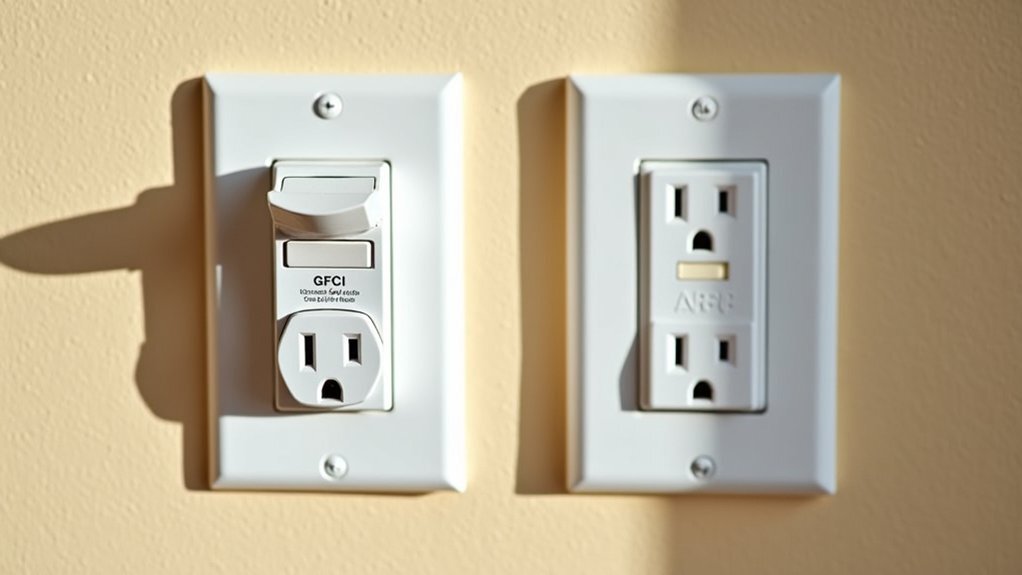
What Is the Difference Between GFCI and AFCI Outlets?
GFCI and AFCI outlets have different safety roles in your home. GFCIs protect against electrical shocks by shutting off power when they detect imbalances in electrical current, while AFCIs prevent electrical fires by identifying dangerous arcing conditions in wiring.
Why You Should Switch to Copper Wiring for Home Safety
Switching to copper wiring is essential for your home's safety. Copper offers superior electrical conductivity, reducing energy loss and minimizing fire risks. Learn about its durability, cost-effectiveness, and compliance with safety codes.
Generator Installation and Maintenance: What Homeowners Need to Know
When it comes to generator installation and maintenance, you've got to get it right for safety and efficiency. Learn about proper placement, electrical connections, maintenance routines, and safety guidelines for reliable backup power.
Smart Thermostats: Are They Worth the Investment?
Smart thermostats can cut your energy bills by 10-15% while enhancing comfort and convenience. Learn about their features, benefits, and whether they're worth the investment for your home.

Steps to Lower Your Electricity Bill Without Major Upgrades
Discover simple yet effective strategies to reduce your electricity costs without expensive home renovations. Learn about thermostat optimization, appliance efficiency, and energy-saving habits.

Electric Vehicle Charging Station Installation for Residences
Learn how to install an electric vehicle charging station at home with expert guidance on charger types, electrical requirements, permits, and professional installation.
How Often Should I Schedule Professional Electrical Inspections?
Learn the recommended frequency for residential and commercial electrical inspections to keep your property safe and compliant with electrical codes.

Outdoor Lighting Design and Installation Tips for Businesses
Achieve a stunning outdoor lighting design for your business that enhances safety and aesthetics—discover essential tips to illuminate your space effectively.
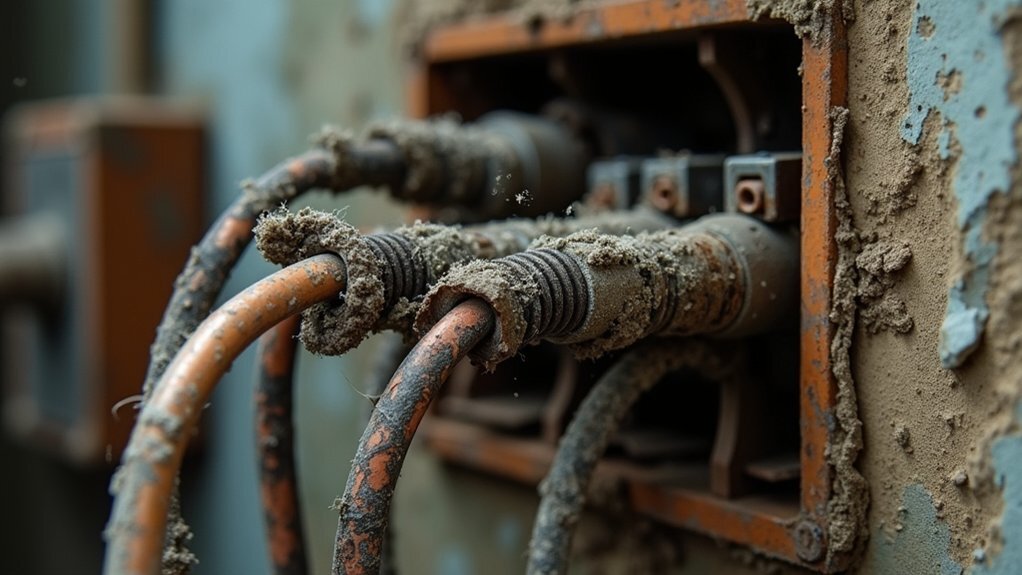
The Risks of Outdated Electrical Wiring in Older Properties
Outdated electrical wiring in older properties presents serious risks. It can cause fires due to overheating and deteriorating insulation, while also increasing the danger of electrocution from exposed wires. These old systems often can't handle modern appliance demands.
How to Teach Children Electrical Safety at Home
Learn essential strategies to teach your kids electrical safety at home. From understanding basic electricity concepts to recognizing hazards and establishing safety practices, discover how to protect your children from electrical dangers through engaging education and safety equipment.