Steps to Lower Your Electricity Bill Without Major Upgrades
Steps to Lower Your Electricity Bill Without Major Upgrades
To lower your electricity bill without major upgrades, start by optimizing your thermostat settings and improving home insulation to seal leaks. Maximize appliance efficiency by using ENERGY STAR-certified models and running them during off-peak hours. Switch to energy-efficient LED lighting and manage your electronics by unplugging devices when not in use. Adjust your daily habits by using natural light whenever possible. These steps can make a significant impact, and if you want more tips, keep exploring.
Key Takeaways
- Set your thermostat to 78°F in summer and 68°F in winter to optimize energy usage and costs.
- Replace incandescent bulbs with ENERGY STAR-rated LED bulbs to reduce lighting energy consumption.
- Unplug devices or use smart power strips to eliminate standby power when electronics are not in use.
- Operate appliances like dishwashers and laundry machines with full loads to maximize efficiency.
- Schedule heavy energy usage during off-peak hours to take advantage of lower electricity rates.
Optimize Your Thermostat Settings
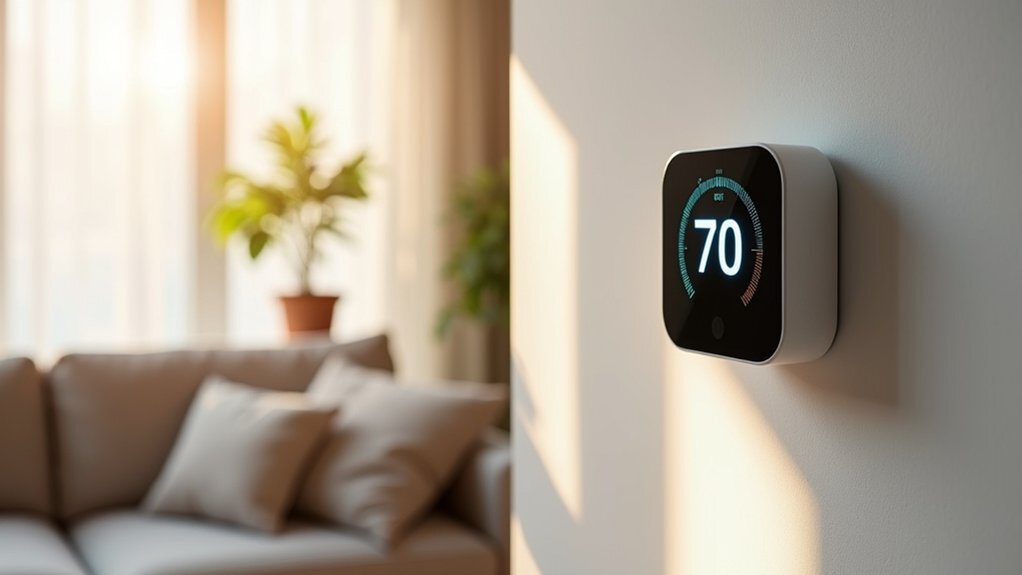
How can you effectively lower your electricity bill while staying comfortable? Start by setting your thermostat to 78°F in summer and 68°F in winter when you're home. When you're away or sleeping, lower the temperature by 7-10°F to save energy. Consider using a programmable or smart thermostat; these devices can automatically adjust settings based on your habits, helping you save even more. For example, Wi-Fi-enabled models let you control the temperature remotely, ensuring your home's energy use is efficient. By making these adjustments, you can potentially cut your annual energy costs by up to 10%. Efficient thermostat management not only saves you money but also prolongs the lifespan of your HVAC system. Balancing comfort with energy efficiency not only saves you money but also prolongs the lifespan of your HVAC system.
For professional electrical work including smart thermostat installation, our expert electricians can help you upgrade to more efficient systems that maximize your energy savings.
Improve Home Insulation and Seal Air Leaks
After optimizing your thermostat settings, the next step to lowering your electricity bill is improving your home's insulation and sealing air leaks. Upgrading your insulation can cut energy use by up to 45%, with potential savings of about $200 annually. Focus on critical areas like attics, floors above unconditioned spaces, and rim joists to block unwanted air. Common leak sources include gaps around windows, doors, and where walls meet ceilings. While typical air sealing and insulation projects cost around $2,100, financial incentives like the 25C tax credit can help offset costs. Not only will better insulation stabilize indoor temperatures, but it'll also enhance your home's resale value and extend the lifespan of your HVAC system, contributing to energy efficiency in your home.
Maximize Appliance Efficiency
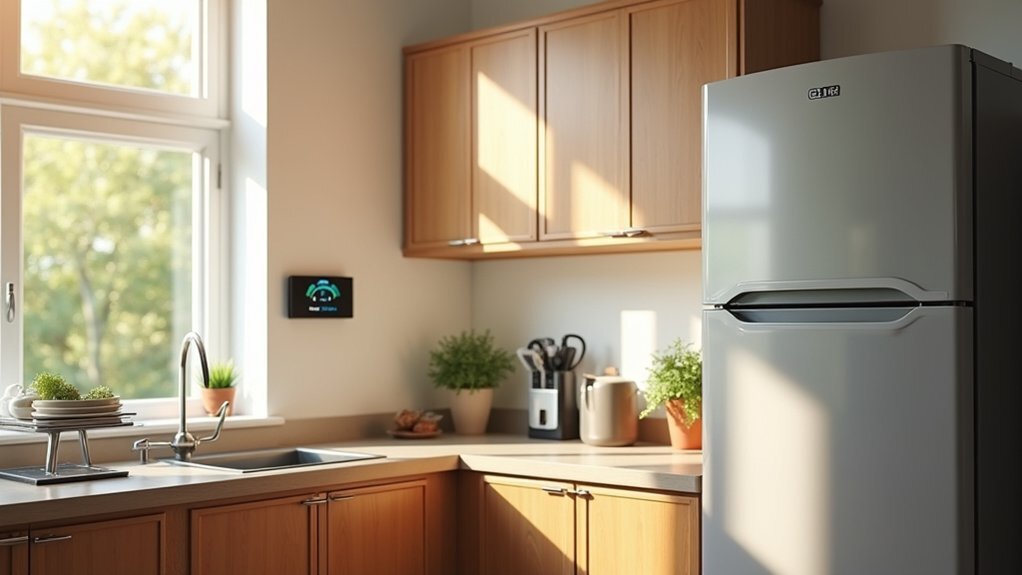
Maximizing appliance efficiency is a smart way to cut down on your electricity bill. Start by choosing ENERGY STAR® certified appliances, which use 10-30% less energy. For existing appliances, use them according to ideal settings: run dishwashers and laundry machines with full loads, and utilize eco cycles whenever possible. Regular maintenance is essential—clean refrigerator coils, check dryer filters, and inspect seals to keep your appliances running efficiently. Consider operating high-energy appliances during off-peak hours to save money. Finally, if you notice outdated appliances draining your energy, it might be time to replace them with modern, efficient models. By being mindful of your appliance usage, you can greatly lower your electricity costs. Additionally, consider investing in an ENERGY STAR® certified model like the LG InstaView™ Door-in-Door Refrigerator, which enhances overall food preservation while reducing cold air loss.
If you're considering upgrading to more efficient electrical appliances, our residential electrical services team can help ensure proper installation and electrical capacity for your new energy-efficient devices.
Switch to Energy-Efficient Lighting
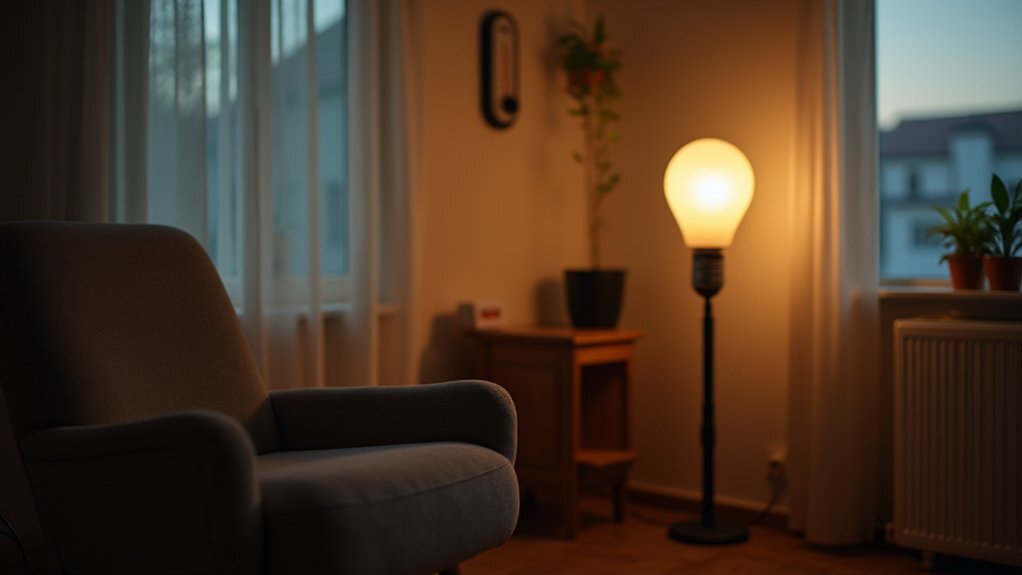
Once you've optimized your appliances for efficiency, consider switching to energy-efficient lighting to further reduce your electricity bill. Lighting accounts for about 15% of your home's electricity use, so making the switch can lead to significant savings. By replacing just five frequently used fixtures with ENERGY STAR-rated LED bulbs, you could save about $45 annually. LED bulbs use 20-25% of the energy that incandescent bulbs do, producing the same light output while lasting up to 35,000 hours. Although LED bulbs cost more upfront, their lower energy use and long lifespan mean you'll spend less over time. In fact, switching to LED lighting can save an average household $225 per year. Make the switch today, and you'll enjoy both immediate savings and long-term benefits for your wallet and the environment.
Reduce Water Heating Costs
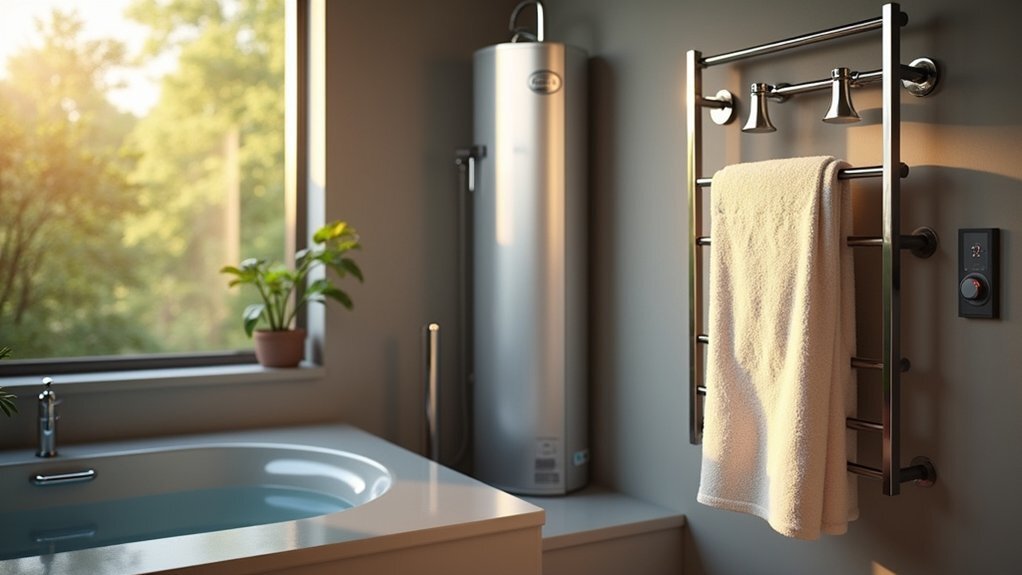
To effectively reduce your electricity bill, addressing water heating costs is essential, as this expense can account for up to 30% of your household energy consumption. Consider upgrading to a heat pump water heater (HPWH), which can be 2 to 4 times more efficient than conventional models. You'll save about $200 annually since operating costs average just $117 per year. Plus, there's a 30% tax credit available for ENERGY STAR-certified HPWHs. With HPWHs currently representing less than 2% of the total water heater market, there is significant room for growth and potential savings. Alternatively, you might explore tankless water heaters, which heat water on demand, reducing standby losses. However, keep in mind the potential delays in hot water delivery. Whichever option you choose, investing in high-efficiency models is key to cutting down those hefty water heating bills.
For professional installation of energy-efficient water heating systems and proper electrical connections, contact our team for expert guidance and reliable service.
Adjust Your Daily Habits
While reducing water heating costs makes a significant impact on your electricity bill, adjusting your daily habits can further enhance your savings. Start by unplugging idle electronics, as devices in standby mode can consume up to 10% of your home's electricity. Consider using smart power strips to cut power to unused devices automatically. Schedule high-energy appliances like dishwashers and washing machines during off-peak hours to take advantage of lower rates. Also, remember to turn off lights in unoccupied rooms and consider switching to LED bulbs for greater efficiency. Additionally, try to be mindful of your home's energy consumption, as larger households tend to use personal and household appliances more frequently, leading to higher energy costs. Finally, try shifting energy-intensive tasks to the daytime and reducing nighttime activity, which aligns better with electricity pricing strategies and helps you save even more.
Utilize Natural Light
Utilizing natural light not only brightens your home but also considerably cuts down on your electricity bill. To maximize this, consider your windows' placement and orientation. South-facing windows can heat your space in winter, while north-facing ones provide consistent light without glare. You might want to use advanced glazing technologies, like double glazing or low SHGC glass, to enhance insulation and reduce heat transfer. Employ daylighting techniques, such as light shelves or skylights, to boost light penetration. Don't forget about light control elements like sheer curtains or automated shading systems, which help manage glare and heat gain. By optimizing natural light, you can considerably lower your reliance on artificial lighting and enjoy a more comfortable home. Incorporating natural light integration can significantly improve energy efficiency and reduce greenhouse gas emissions.
Manage Electronics Consumption
Managing your electronics consumption can lead to substantial savings on your electricity bill. Start by turning off or unplugging devices when not in use, as standby power can account for up to 10% of your electricity. Smart power strips can help eliminate phantom loads automatically. Optimize settings on your electronics by using energy-saving modes and reducing display brightness. Schedule heavy usage during off-peak hours and limit simultaneous use of high-demand devices. Consider gradually replacing older electronics with ENERGY STAR certified models. Don't forget to manage your charging habits—disconnect chargers once devices are fully charged and use energy-efficient options. By auditing your electronics, you can identify and reduce unnecessary consumption effectively. Additionally, be aware that electricity demand rose significantly in 2024, which highlights the importance of managing your energy use to avoid higher bills.
For electrical panel upgrades or circuit modifications to support energy-efficient appliances and systems, our experienced team at Darby Electric Service provides professional installation and consultation services.
Frequently Asked Questions
How Often Should I Clean My Air Conditioner Filters?
You should clean or replace your air conditioner filters every 30 to 60 days for peak performance. If you're in a dusty area, have pets, or use your AC heavily, consider changing them monthly. Thinner filters may need attention every 1 to 3 months, depending on usage. Regularly checking your filters helps maintain airflow, improves system efficiency, and extends the lifespan of your air conditioner, so don't overlook this important maintenance task!
Is It Better to Leave Appliances Plugged in or Unplug Them?
It's better to unplug appliances when they're not in use. Leaving them plugged in can lead to phantom power consumption, which adds up over time and increases your electricity bill. By unplugging devices like chargers, TVs, and kitchen gadgets, you can save money and reduce energy waste. Plus, unplugging can extend the lifespan of your appliances and lower the risk of electrical issues, making it a smart choice for your home.
Do Smart Thermostats Actually Save Money on Energy Bills?
Yes, smart thermostats can save you money on energy bills. They typically reduce heating costs by 10-12% and cooling costs by up to 15%. By automatically adjusting temperatures based on your schedule, they minimize energy waste, especially when you're away. With potential yearly savings ranging from $130 to $200, investing in a smart thermostat often pays for itself in under two years, making it a smart choice for energy efficiency and cost savings.
Can I Save Energy by Using My Microwave Instead of the Oven?
Yes, you can save energy by using your microwave instead of the oven. Microwaves use about 80% less energy and cook food much faster. For instance, heating potatoes in a microwave takes around 15 minutes, compared to an hour in an oven. By opting for a microwave, especially for small portions, you minimize energy consumption and can greatly lower your electricity bill. Just remember to use it wisely for maximum efficiency!
How Does the Placement of Furniture Affect Heating and Cooling Efficiency?
The placement of your furniture considerably affects heating and cooling efficiency. When you block vents with large pieces, you restrict airflow, causing your HVAC system to work harder and raise energy costs. Additionally, furniture materials can absorb heat, altering temperature regulation. To optimize comfort and efficiency, avoid placing items directly in front of vents, and arrange furniture to enhance airflow, ensuring even heating and cooling throughout your space.
Need Professional Electrical Services?
Trust the experts at Darby Electric Service for all your electrical needs in Arlington, TX.
Related Articles
Battery Storage Systems Explained: Powering Your Home During Outages
Learn how battery storage systems provide reliable backup power during outages, integrate with solar panels, and enhance your home's energy independence.
The Future of Energy: How Solar Power Integrates With Modern Electrical Systems
Discover how solar power's rapid growth and innovative technologies are transforming modern electrical systems, creating sustainable energy solutions for residential, commercial, and industrial applications.
How Infrared Scanning Detects Electrical Problems Before They Start
Discover how infrared thermal imaging technology identifies overheating components, loose connections, and potential electrical failures before they become costly emergencies.
Understanding the Difference Between Single-Phase and Three-Phase Power
Learn the key differences between single-phase and three-phase power systems, including efficiency, cost, load handling, and practical applications for residential, commercial, and industrial use.
How to Plan for an Electrical System Expansion in a Growing Business
Learn how to effectively plan for electrical system expansion in your growing business, from assessing infrastructure to implementing energy-efficient solutions and ensuring compliance with safety regulations.
Why Every Business Should Consider an Electrical Maintenance Contract
Discover why electrical maintenance contracts are essential for business success, offering cost savings, enhanced safety, reduced downtime, and improved operational efficiency while protecting your investment.

How Lighting Design Impacts Employee Productivity and Mood
Discover how effective lighting design can boost productivity by over 60%, improve employee mood, and create significant cost savings through strategic implementation of natural and artificial lighting solutions.
Understanding Your Home's Electrical Code Requirements
Learn about essential electrical code requirements for your home, including 2025 updates for EV charging, safety enhancements, and compliance standards to keep your property safe and up to code.
The Hidden Dangers of DIY Electrical Repairs
DIY electrical repairs can hide serious dangers. You risk electrocution, as many accidents lead to deaths and injuries each year. Without expertise, you may create fire hazards that can damage your property and invalidate your homeowners' insurance.
How Whole-Home Surge Protection Keeps Your Electronics Safe
Whole-home surge protection keeps your electronics safe by acting as a robust defense against electrical surges. Installed at your main electrical panel, it uses advanced technologies like Metal Oxide Varistors to absorb excess voltage and divert it safely to ground.
Essential Electrical Tools Every Homeowner Should Own
Discover the must-have electrical tools for every homeowner. From voltage testers to wire strippers, learn about the essential equipment that ensures safety and efficiency in your electrical projects.
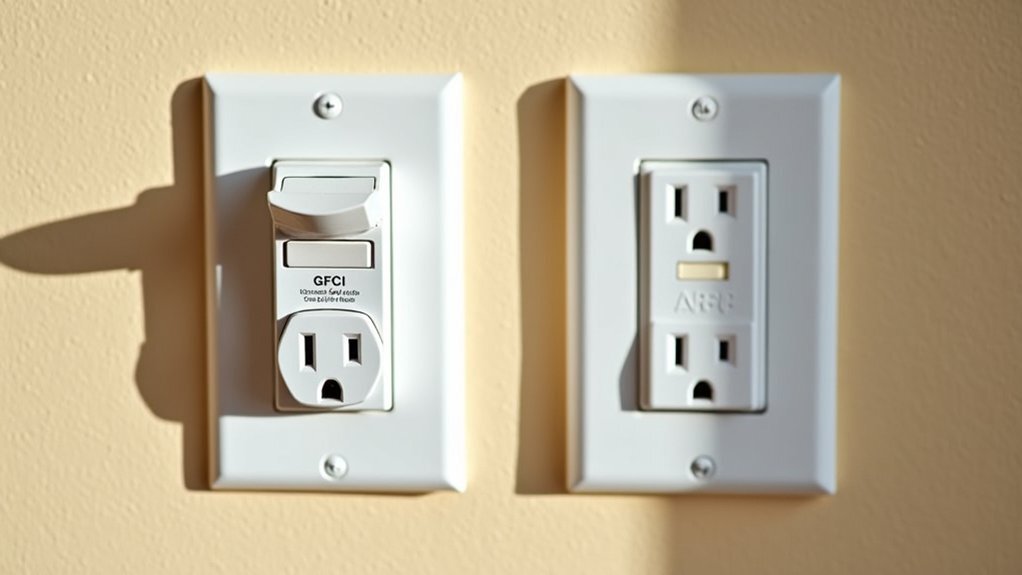
What Is the Difference Between GFCI and AFCI Outlets?
GFCI and AFCI outlets have different safety roles in your home. GFCIs protect against electrical shocks by shutting off power when they detect imbalances in electrical current, while AFCIs prevent electrical fires by identifying dangerous arcing conditions in wiring.
Why You Should Switch to Copper Wiring for Home Safety
Switching to copper wiring is essential for your home's safety. Copper offers superior electrical conductivity, reducing energy loss and minimizing fire risks. Learn about its durability, cost-effectiveness, and compliance with safety codes.
Generator Installation and Maintenance: What Homeowners Need to Know
When it comes to generator installation and maintenance, you've got to get it right for safety and efficiency. Learn about proper placement, electrical connections, maintenance routines, and safety guidelines for reliable backup power.
Smart Thermostats: Are They Worth the Investment?
Smart thermostats can cut your energy bills by 10-15% while enhancing comfort and convenience. Learn about their features, benefits, and whether they're worth the investment for your home.
Electric Vehicle Charging Station Installation for Residences
Learn how to install an electric vehicle charging station at home with expert guidance on charger types, electrical requirements, permits, and professional installation.
How Often Should I Schedule Professional Electrical Inspections?
Learn the recommended frequency for residential and commercial electrical inspections to keep your property safe and compliant with electrical codes.
Smart Home Electrical Upgrades That Boost Comfort and Security
Discover how smart home electrical upgrades can enhance your comfort, security, and energy efficiency while increasing your property value.

Outdoor Lighting Design and Installation Tips for Businesses
Achieve a stunning outdoor lighting design for your business that enhances safety and aesthetics—discover essential tips to illuminate your space effectively.
The Risks of Outdated Electrical Wiring in Older Properties
Outdated electrical wiring in older properties presents serious risks. It can cause fires due to overheating and deteriorating insulation, while also increasing the danger of electrocution from exposed wires. These old systems often can't handle modern appliance demands.
How to Teach Children Electrical Safety at Home
Learn essential strategies to teach your kids electrical safety at home. From understanding basic electricity concepts to recognizing hazards and establishing safety practices, discover how to protect your children from electrical dangers through engaging education and safety equipment.