
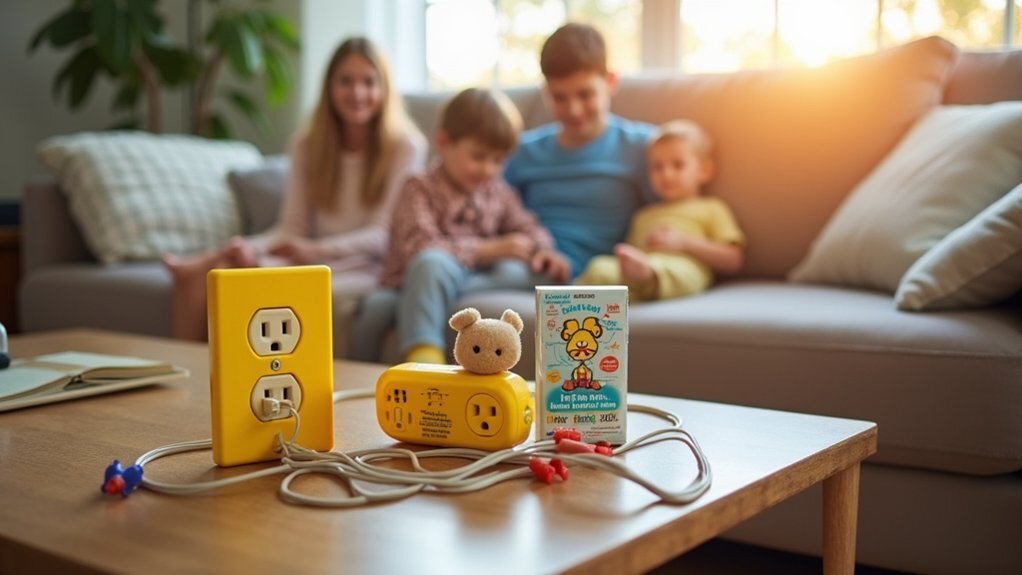
How to Teach Children Electrical Safety at Home
To teach your kids electrical safety at home, first explain the basics of electricity and its dangers, focusing on common hazards like outlets and cords. Show them how to recognize safety risks, like loose plugs or damaged wires. Establish safety practices, such as pulling plugs by the base and never using electrical devices with wet hands. Engage them with fun experiments to reinforce learning and guarantee they know what to do during emergencies. There's more to explore about keeping your home safe!
Key Takeaways
- Explain basic electricity concepts and dangers using simple language and engaging experiments to help children understand the importance of electrical safety.
- Regularly inspect outlets, cords, and appliances for hazards and involve children in identifying and reporting any issues they notice.
- Teach children to use electrical items safely, such as pulling plugs by the base and avoiding wet hands when handling electrical devices.
- Emphasize the importance of not inserting objects into outlets and keeping dangerous appliances out of reach to prevent accidents.
- Establish and practice a family emergency plan, ensuring children know how to respond to electrical emergencies and call for help if needed.
Understanding the Risks of Electrical Injuries

When it comes to electrical safety, understanding the risks of electrical injuries is essential for protecting your children. Kids under six, especially boys, are most at risk, with injuries often occurring at home during play or meal times. Summer months see a spike in incidents as children engage more with electrical devices. Common culprits include battery-powered toys and household appliances, particularly those near water. Oral contact with cords or outlets is a frequent cause of injury. Even low voltage can be dangerous, as currents above 10 mA can induce muscle spasms or worse. By recognizing these risks, you can better safeguard your home and keep your little ones safe from electrical harm. To further enhance safety, it is crucial to ensure all wires are properly insulated and tucked away from children's reach.
For comprehensive electrical safety assessments and child-proofing solutions, our residential electrical services team can help identify and address potential hazards in your home.
Basics of Electricity for Children
Understanding the risks of electrical injuries helps highlight the importance of teaching kids about electricity. Electricity is a form of energy that flows through electric charges, powering devices like lights and computers. Explain that it comes from natural resources, such as solar or wind, and is generated in power plants. Teach them about electrical circuits, which need a power source, a load, and conductive paths to work. Show how conductors, like metals, allow electricity to flow, while insulators, like rubber, keep them safe. Engage kids with simple experiments, like building a circuit or demonstrating static electricity with a balloon. By grasping these basics, children will better appreciate electricity and be more aware of its potential dangers. Additionally, emphasize that electricity generation can come from various sources, including renewable options like solar energy.
Recognizing Electrical Hazards at Home

Recognizing electrical hazards at home is essential for keeping your family safe. Start by checking outlets; loose-fitting plugs can cause shocks or fires, and missing wall plates expose dangerous wiring. If you see damaged cords, like frayed or cracked ones, replace them immediately, as they can spark fires, especially if placed under rugs. Be cautious of overloaded outlets; connecting too many devices can lead to overheating. Avoid using extension cords as permanent solutions, and verify light bulbs match fixture recommendations. Watch for warning signs like flickering lights, burning odors, or discolored switches. If you feel shocks when touching appliances, it's time to call a professional. Regular inspections can help identify hidden hazards in older homes, as faulty wiring and equipment are common causes of electrical injuries.
If you notice any of these warning signs, don't delay - contact our professional electricians for a thorough safety inspection and necessary repairs.
Essential Safety Practices
To guarantee your children stay safe around electricity, it's crucial to teach them essential safety practices early on. Instruct them to pull plugs by the base, avoiding yanking cords, which can cause damage. Emphasize unplugging appliances when not in use to reduce risks of shocks and fires. Keeping dangerous appliances out of reach and making sure they never touch electrical items or switches with wet hands is essential. Teach them not to insert objects into outlets and keep cords organized and away from floors to prevent tripping. Regularly inspect cords for fraying and replace damaged ones immediately. Finally, educate them about outdoor electrical dangers, like power lines, and encourage them to play safely away from electrical infrastructure. Regular inspections can further help identify potential risks associated with electrical safety at home.
Utilizing Safety Equipment Effectively

Teaching children about electrical safety goes hand in hand with utilizing safety equipment effectively. Start by installing outlet covers and tamper-resistant receptacles to block access to outlets, reducing shock risks. You'll find that these TRRs are reliable and permanent solutions for homes with kids. Next, consider using childproof power strips that feature sliding covers and cord management systems to keep excess cords out of reach. Locking electrical boxes prevents curious kids from tampering with hazardous components. Additionally, regular electrical safety inspections can help identify potential hazards and ensure that all safety devices are functioning properly. Store dangerous appliances on high shelves, and unplug any unused devices to minimize risks. Regularly inspect your equipment to guarantee everything is in safe working order, creating a secure environment for your children to explore without the danger of electrical hazards.
At Darby Electric Service, we specialize in comprehensive electrical safety solutions for families - learn more about our company and our commitment to keeping your home and children safe.
Engaging Children in Safety Education
While children naturally learn through play and interaction, engaging them in safety education can turn important lessons into fun experiences. Use interactive tools like apps and educational websites to introduce games and quizzes that capture their interest in electrical safety. Incorporate craft activities, such as coloring books, to promote hands-on learning. Role-playing different safety scenarios lets kids practice responses to hazards, while scenario-based worksheets encourage critical thinking. Multi-sensory methods, including songs and visual aids, help reinforce key concepts. To further enhance their understanding, emphasizing respect for electricity is crucial in teaching them about the potential dangers associated with electrical tools and outlets. Don't forget to incorporate repetition and positive reinforcement, like rewards for safe behavior, to keep safety knowledge fresh. Regular discussions about electrical safety guarantee kids internalize these essential lessons, making safety a natural part of their lives.
Home Safety Education Strategies
Engaging children in safety education lays a strong foundation for effective home safety strategies. Start with one-on-one, face-to-face interactions to teach your kids about safety practices. This method greatly boosts their understanding of essential measures like functional smoke alarms and safe medicine storage. Pair your educational efforts with free or low-cost safety equipment to enhance effectiveness. Regularly assess your home environment and make necessary modifications, such as fitting stair gates and improving lighting, to reduce hazards. Encourage your children to participate in discussions about emergency contacts, especially poison control numbers. Reinforce the importance of supervising them during high-risk activities, ensuring they grasp how to prevent falls, burns, and poisoning in daily life. Notably, implementing home safety measures can significantly reduce the risk of injuries in children, as evidenced by studies showing a correlation between safety measures and lower injury incidence.
Addressing Common Household Hazards
To keep your home safe, it's essential to address common household hazards, especially those related to electrical systems. Check your outlets regularly; loose or damaged ones can expose wiring and heighten fire risks. Be alert for buzzing sounds, dimming lights, or frequent breaker trips, as these indicate overloaded circuits. If your home was built before 1980, consider having a qualified electrician inspect your wiring to verify it can handle today's demands. Always use outlet covers to prevent young children from inserting objects. Avoid using frayed or damaged cords, and never overload outlets with multiple devices. Regularly inspect appliances and tools for safety, and never force plugs into incompatible outlets. Your vigilance can greatly reduce electrical hazards at home, as over 400 electrocutions occur annually in the U.S..
Our experienced team provides thorough electrical inspections and safety upgrades for families - schedule your consultation today to ensure your home meets the highest safety standards.
Preparing for Emergencies and Responses
Preparing for emergencies related to electrical hazards is essential for keeping your children safe. Teach them to alert an adult immediately if they see sparks, smoke, or experience any electrical shock. Emphasize that they shouldn't touch anyone receiving an electric shock to prevent further injury. If no adult is present, make sure they know how to call emergency services. Regularly practice clear instructions, like staying away from electrical problems.
Help your kids recognize warning signs, such as exposed wires or buzzing sounds, and encourage them to report these hazards. Establish a family emergency plan, assigning roles and practicing drills. Open communication is key, so your children feel comfortable reporting unsafe situations immediately. Additionally, reinforce the importance of recognizing electrical hazards around the home to help them stay vigilant.
Frequently Asked Questions
How Can I Make Electrical Safety Lessons Fun for My Child?
You can make electrical safety lessons fun for your child by incorporating hands-on experiments like building simple circuits or conducting static electricity tests. Use interactive games and videos to engage their interest, and organize scavenger hunts to explore safety devices around your home. Storytelling and role-playing can also spark their imagination. By combining learning with play, you'll keep them excited about understanding electrical safety in a memorable way.
What Age Should Children Start Learning About Electrical Safety?
You should start teaching children about electrical safety as early as toddler age, around 2-3 years old. At this stage, focus on simple concepts like not touching outlets and avoiding cords. As they grow, gradually introduce more complex ideas, tailoring lessons to their maturity and understanding. By laying this foundation early, you help them develop safe habits that will stick with them as they expand their knowledge over time.
Are There Specific Toys That Promote Electrical Safety Awareness?
Yes, specific toys promote electrical safety awareness. Look for snap circuit kits or simple electronic learning toys that demonstrate basic electrical principles without exposing kids to high voltage. Role-play kits that simulate real-world electrical situations can also be effective. Additionally, toys that provide interactive lessons on safe practices, like avoiding water contact and not tampering with wires, engage children while teaching them essential safety lessons in a fun way.
How Can I Encourage My Child to Remember Safety Rules?
To encourage your child to remember safety rules, make them fun and engaging. Use games, role-playing, and stories that illustrate the importance of these rules. Regularly discuss why safety matters and relate it to their experiences. Consistently reinforce the rules by reminding them during daily routines and providing immediate praise when they follow them. Creating a visual reminder, like charts or pictures, can also help your child recall safety practices more easily.
What Should I Do if My Child Has an Electrical Accident?
If your child has an electrical accident, first disconnect the power source to stop the electrical flow. Avoid touching them directly if they're still energized; use a nonconductive object to separate them from the source. Call emergency services right away. Once safe, check if they're responsive and breathing, and start CPR if trained. Look for visible injuries and seek medical evaluation, even for minor injuries, to guarantee there's no internal damage.
Need Professional Electrical Services?
Trust the experts at Darby Electric Service for all your electrical needs in Arlington, TX.
Related Articles

Battery Storage Systems Explained: Powering Your Home During Outages
Learn how battery storage systems provide reliable backup power during outages, integrate with solar panels, and enhance your home's energy independence.

The Future of Energy: How Solar Power Integrates With Modern Electrical Systems
Discover how solar power's rapid growth and innovative technologies are transforming modern electrical systems, creating sustainable energy solutions for residential, commercial, and industrial applications.
How Infrared Scanning Detects Electrical Problems Before They Start
Discover how infrared thermal imaging technology identifies overheating components, loose connections, and potential electrical failures before they become costly emergencies.
Understanding the Difference Between Single-Phase and Three-Phase Power
Learn the key differences between single-phase and three-phase power systems, including efficiency, cost, load handling, and practical applications for residential, commercial, and industrial use.
How to Plan for an Electrical System Expansion in a Growing Business
Learn how to effectively plan for electrical system expansion in your growing business, from assessing infrastructure to implementing energy-efficient solutions and ensuring compliance with safety regulations.
Why Every Business Should Consider an Electrical Maintenance Contract
Discover why electrical maintenance contracts are essential for business success, offering cost savings, enhanced safety, reduced downtime, and improved operational efficiency while protecting your investment.

How Lighting Design Impacts Employee Productivity and Mood
Discover how effective lighting design can boost productivity by over 60%, improve employee mood, and create significant cost savings through strategic implementation of natural and artificial lighting solutions.
Understanding Your Home's Electrical Code Requirements
Learn about essential electrical code requirements for your home, including 2025 updates for EV charging, safety enhancements, and compliance standards to keep your property safe and up to code.

The Hidden Dangers of DIY Electrical Repairs
DIY electrical repairs can hide serious dangers. You risk electrocution, as many accidents lead to deaths and injuries each year. Without expertise, you may create fire hazards that can damage your property and invalidate your homeowners' insurance.
How Whole-Home Surge Protection Keeps Your Electronics Safe
Whole-home surge protection keeps your electronics safe by acting as a robust defense against electrical surges. Installed at your main electrical panel, it uses advanced technologies like Metal Oxide Varistors to absorb excess voltage and divert it safely to ground.
Essential Electrical Tools Every Homeowner Should Own
Discover the must-have electrical tools for every homeowner. From voltage testers to wire strippers, learn about the essential equipment that ensures safety and efficiency in your electrical projects.
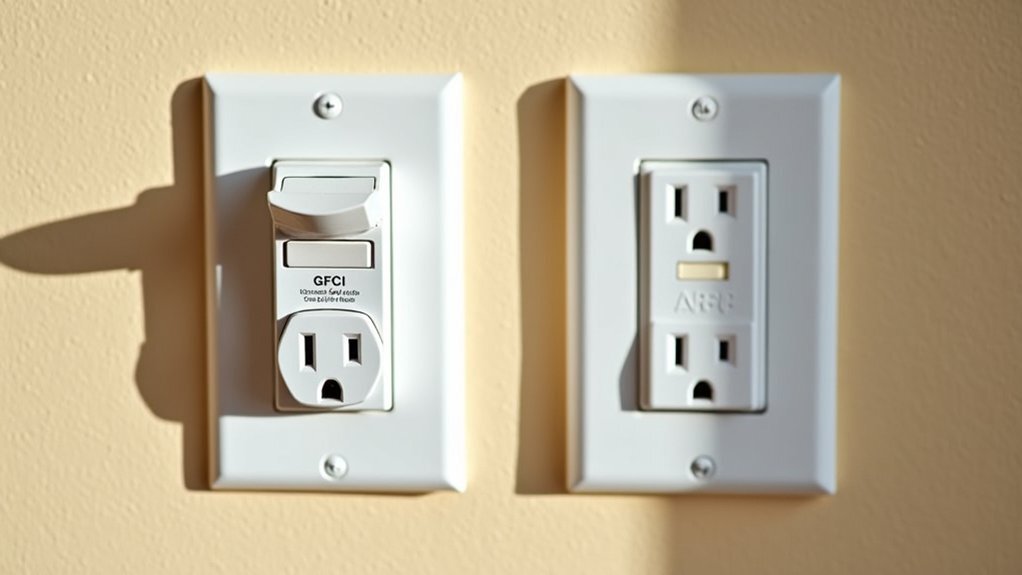
What Is the Difference Between GFCI and AFCI Outlets?
GFCI and AFCI outlets have different safety roles in your home. GFCIs protect against electrical shocks by shutting off power when they detect imbalances in electrical current, while AFCIs prevent electrical fires by identifying dangerous arcing conditions in wiring.
Why You Should Switch to Copper Wiring for Home Safety
Switching to copper wiring is essential for your home's safety. Copper offers superior electrical conductivity, reducing energy loss and minimizing fire risks. Learn about its durability, cost-effectiveness, and compliance with safety codes.
Generator Installation and Maintenance: What Homeowners Need to Know
When it comes to generator installation and maintenance, you've got to get it right for safety and efficiency. Learn about proper placement, electrical connections, maintenance routines, and safety guidelines for reliable backup power.
Smart Thermostats: Are They Worth the Investment?
Smart thermostats can cut your energy bills by 10-15% while enhancing comfort and convenience. Learn about their features, benefits, and whether they're worth the investment for your home.

Steps to Lower Your Electricity Bill Without Major Upgrades
Discover simple yet effective strategies to reduce your electricity costs without expensive home renovations. Learn about thermostat optimization, appliance efficiency, and energy-saving habits.

Electric Vehicle Charging Station Installation for Residences
Learn how to install an electric vehicle charging station at home with expert guidance on charger types, electrical requirements, permits, and professional installation.

How Often Should I Schedule Professional Electrical Inspections?
Learn the recommended frequency for residential and commercial electrical inspections to keep your property safe and compliant with electrical codes.

Smart Home Electrical Upgrades That Boost Comfort and Security
Discover how smart home electrical upgrades can enhance your comfort, security, and energy efficiency while increasing your property value.

Outdoor Lighting Design and Installation Tips for Businesses
Achieve a stunning outdoor lighting design for your business that enhances safety and aesthetics—discover essential tips to illuminate your space effectively.
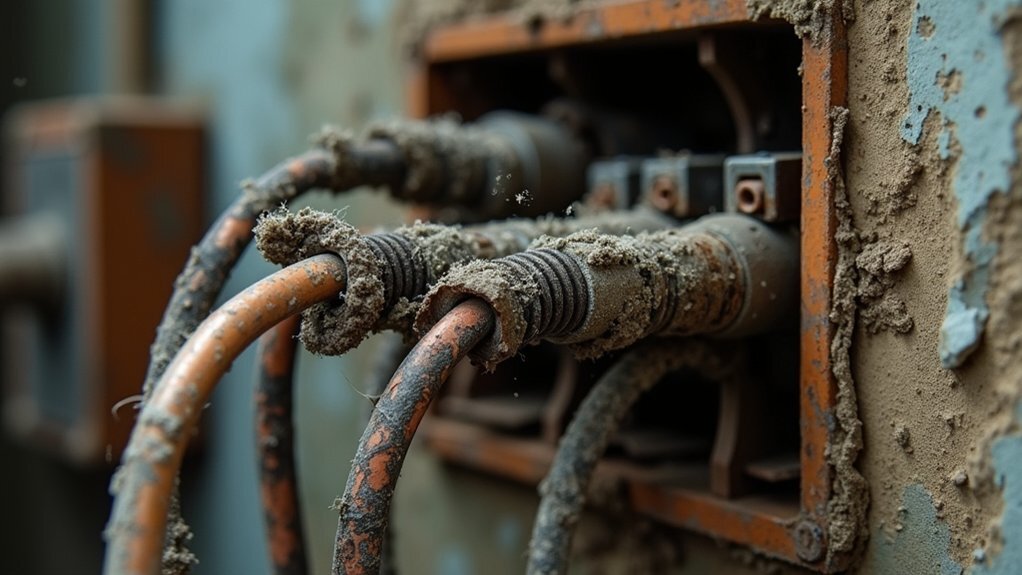
The Risks of Outdated Electrical Wiring in Older Properties
Outdated electrical wiring in older properties presents serious risks. It can cause fires due to overheating and deteriorating insulation, while also increasing the danger of electrocution from exposed wires. These old systems often can't handle modern appliance demands.