Why You Should Switch to Copper Wiring for Home Safety
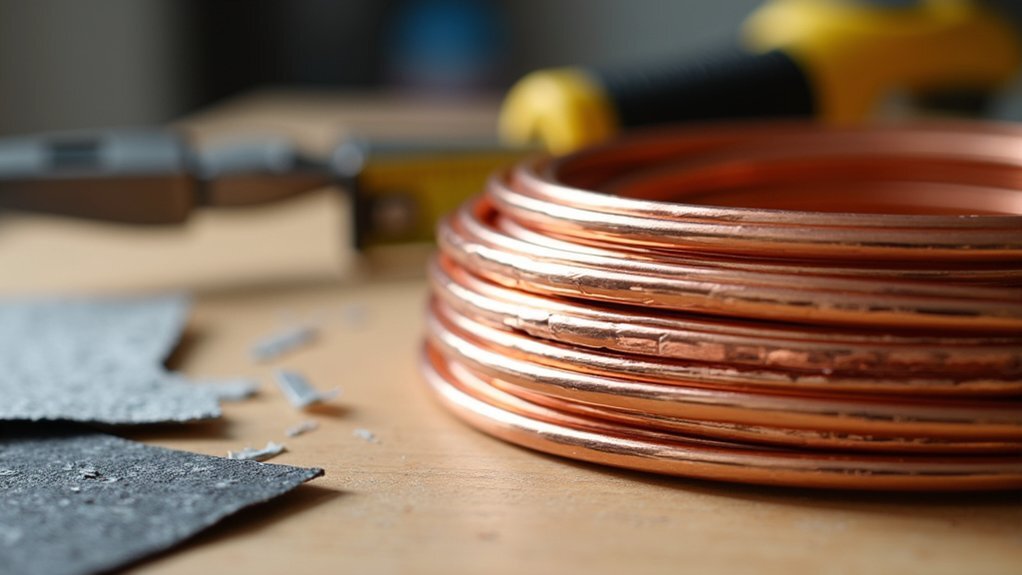
Switching to copper wiring is essential for your home's safety. Copper offers superior electrical conductivity, reducing energy loss and minimizing fire risks. It's highly durable and resists corrosion, ensuring a long lifespan and fewer replacements. While the initial investment is higher, the long-term savings on energy bills and maintenance costs make it worthwhile. Plus, it complies with safety codes, providing peace of mind. Discover how copper wiring can further benefit your home's electrical efficiency.
Key Takeaways
- Copper wiring offers superior electrical conductivity, reducing resistance and minimizing energy loss for safer, more efficient power transmission.
- Its natural resistance to corrosion ensures long-lasting durability, protecting against potential electrical failures and hazards.
- Compliance with electrical codes, such as the NEC, enhances safety and reduces the risk of overheating and fire hazards.
- Copper's excellent stability prevents voltage drops and surges, safeguarding appliances and improving overall home safety.
- Choosing copper wiring contributes to environmental sustainability by being 100% recyclable and reducing waste over time.
Superior Electrical Conductivity and Safety
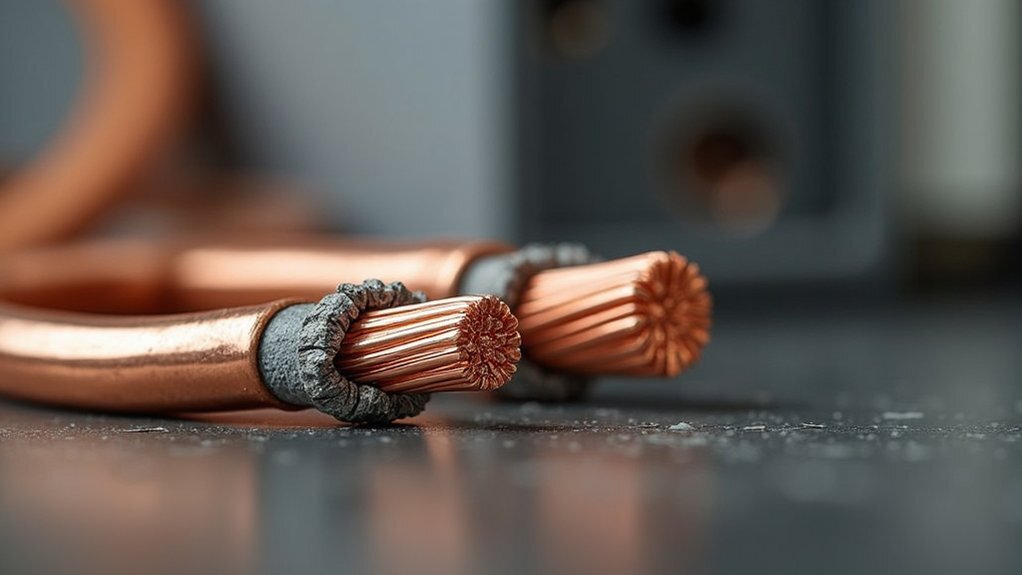
When you choose copper wiring for your home, you're opting for superior electrical conductivity and safety. Copper boasts the highest conductivity among non-precious metals, rated at 100% on the International Annealed Copper Standard. This exceptional conductivity allows electrons to flow freely, reducing resistance and minimizing energy loss. You'll notice lower electricity costs as copper wiring efficiently transmits power with less heat generation, decreasing fire risks. Plus, its stable electrical performance guarantees consistent current flow, protecting your appliances from voltage drops or surges. With copper, you can enjoy reliable operation even in challenging conditions. Ultimately, using copper wiring not only enhances efficiency but also reinforces the safety of your home's electrical system. Additionally, approximately half of all mined copper is dedicated to electrical wire and cable conductors, emphasizing its vital role in modern electrical systems.
For professional copper wiring installations and electrical safety assessments, our residential electrical services team specializes in safe, code-compliant wiring upgrades.
Durability and Resistance to Corrosion
Because copper wiring naturally resists corrosion, it offers exceptional durability for your home's electrical system. Copper corrodes extremely slowly, forming a protective patina that shields it from further oxidation. This patina is stable and inhibits corrosion progression, making copper ideal for areas exposed to harsh weather. Additionally, tinned copper wires enhance corrosion resistance by providing a protective layer, guaranteeing longevity even in challenging environments. For underground applications, using coatings and improved backfill materials can help mitigate corrosion risks. Overall, copper's remarkable durability and resistance to corrosion guarantee that your wiring remains intact and reliable, providing peace of mind for your home's electrical safety. Investing in copper wiring is smart for durability and long-term performance, as its longevity reduces waste and minimizes the need for replacements over time.
Long-Term Cost-Effectiveness
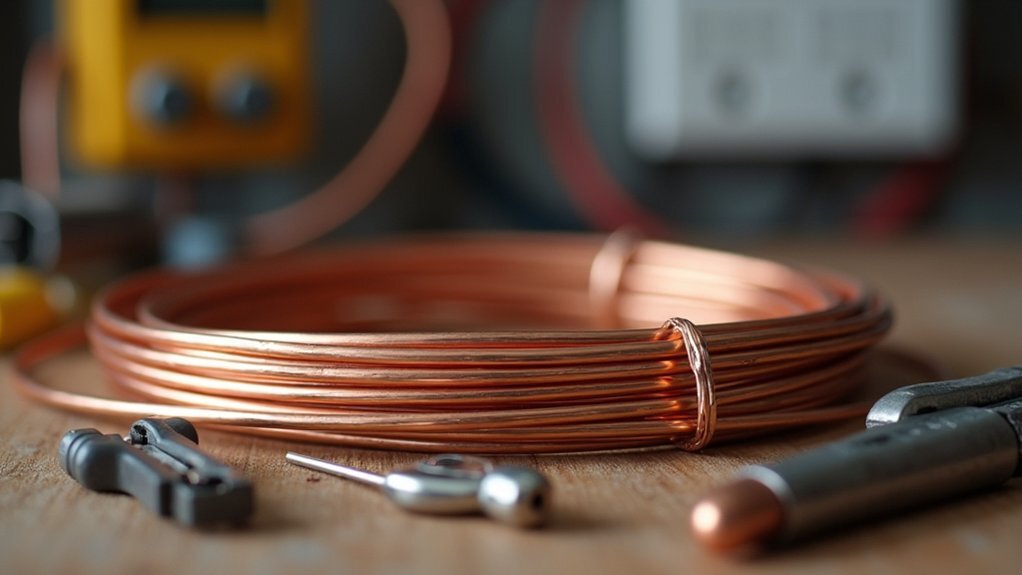
Investing in copper wiring not only guarantees durability and resistance to corrosion but also proves to be a smart choice for long-term cost-effectiveness. While the initial investment is higher than alternatives like aluminum, copper's longevity reduces the need for replacements and repairs. Its superior conductivity minimizes energy loss, leading to lower electricity bills over time. Smaller gauge copper wires can carry the same current as larger aluminum wires, cutting down installation costs. Additionally, copper's robustness means fewer maintenance expenses and less risk of corrosion-related damage. By choosing copper, you enhance your home's electrical efficiency and reliability, ultimately saving money and ensuring your system performs well for decades to come. Furthermore, copper's exceptional ability to minimize resistance further contributes to its reputation as a cost-effective choice in electrical systems.
Compliance With Electrical Codes and Professional Standards
To guarantee your home's electrical system is safe and efficient, compliance with electrical codes and professional standards is vital. The 2020 National Electrical Code (NEC) mandates using copper conductors, making sure your wiring meets safety standards. Copper wiring fully complies with NEC requirements, providing reliability for both residential and commercial installations. Proper connections and splicing methods are essential; use pressure connectors that won't damage conductors and verify splices are mechanically secure before soldering. Avoid mixing copper and aluminum conductors, as this can lead to overheating and fire hazards. Individual wires in systems over 50 volts must be in conduit to ensure safety. Inspectors will verify that your installation meets local codes, confirming safety and efficiency. Choosing copper wiring isn't just a smart choice; it's a necessity for compliance and peace of mind.
Our certified electricians ensure all copper wiring installations meet current NEC standards and local electrical codes. Contact us for a professional electrical inspection and upgrade consultation.
Environmental and Sustainable Benefits

When you choose copper wiring for your home, you're not only guaranteeing safety but also embracing a more sustainable future. Copper is 100% recyclable without losing quality, considerably cutting down energy use and carbon emissions. By opting for recycled copper, you help reduce dependence on mining, which consumes vast amounts of water and releases harmful pollutants. Its superior conductivity means you need less material overall, minimizing waste and environmental impact. Plus, copper's durability guarantees longer lifespans, reducing the need for replacements and further conserving resources. With all these benefits, switching to copper wiring not only makes your home safer but also supports a healthier planet for future generations. Additionally, approximately 75% of copper is used in the electronics, communication, and energy industries, showcasing its versatile applications and importance in modern technology.
Frequently Asked Questions
How Does Copper Wiring Compare to Aluminum in Terms of Performance?
Copper wiring outperforms aluminum in several key areas. It's got higher electrical conductivity, which means less resistance and energy loss. You'll notice that copper handles higher loads safely, thanks to its lower heating under load. Plus, it's more durable and resistant to corrosion, ensuring a longer lifespan. While aluminum might be cheaper, its drawbacks, like increased resistance and susceptibility to oxidation, can lead to performance issues you'd rather avoid in your electrical system.
Can Copper Wiring Be Installed in Older Homes Easily?
Installing copper wiring in older homes isn't easy. You'll likely face challenges like accessing existing wiring, which might require tearing down walls or ceilings. Identifying old wiring can be tricky, especially with deteriorated insulation. You'll need a professional inspection to check the condition and compliance with current codes. Plus, upgrading your electrical panel and fixtures may be necessary to guarantee everything works smoothly together. Overall, it's a labor-intensive process that requires careful planning.
What Are the Signs of Failing Electrical Wiring in a Home?
You'll notice signs of failing electrical wiring if you see scorch marks or feel heat around outlets. If your lights flicker or dim, especially with multiple appliances running, that's a warning. Listen for buzzing or crackling sounds, and be cautious of any burning smells. Frequent circuit breaker trips or unexpected electric shocks also indicate serious issues. If you spot frayed insulation or loose connections, it's time to seek professional help.
How Can I Find a Licensed Electrician for Copper Wiring Installation?
To find a licensed electrician for copper wiring installation, start by checking your state's labor or licensing board website for a license lookup tool. Verify the electrician's credentials, ensuring they're experienced with copper wiring and up-to-date with the National Electrical Code. Ask for proof of liability insurance and check references. It's essential that a licensed journeyperson or master electrician is on-site during the installation for compliance and safety.
Is Copper Wiring Safe for Outdoor Use in All Climates?
Yes, copper wiring is safe for outdoor use in various climates, provided you use the right insulation and armor. It handles temperature fluctuations well, maintaining conductivity even in extreme heat or cold. However, make sure you choose cables rated for outdoor conditions to prevent moisture and UV damage. Regular inspections can also help extend its lifespan, making copper a reliable choice for outdoor electrical systems. Always consult a licensed electrician for best practices.
For expert advice on copper wiring upgrades, electrical safety inspections, and professional installations that meet all codes and standards, our experienced team at Darby Electric Service provides reliable residential electrical solutions.
Need Professional Electrical Services?
Trust the experts at Darby Electric Service for all your electrical needs in Arlington, TX.
Related Articles
Battery Storage Systems Explained: Powering Your Home During Outages
Learn how battery storage systems provide reliable backup power during outages, integrate with solar panels, and enhance your home's energy independence.

The Future of Energy: How Solar Power Integrates With Modern Electrical Systems
Discover how solar power's rapid growth and innovative technologies are transforming modern electrical systems, creating sustainable energy solutions for residential, commercial, and industrial applications.
How Infrared Scanning Detects Electrical Problems Before They Start
Discover how infrared thermal imaging technology identifies overheating components, loose connections, and potential electrical failures before they become costly emergencies.
Understanding the Difference Between Single-Phase and Three-Phase Power
Learn the key differences between single-phase and three-phase power systems, including efficiency, cost, load handling, and practical applications for residential, commercial, and industrial use.
How to Plan for an Electrical System Expansion in a Growing Business
Learn how to effectively plan for electrical system expansion in your growing business, from assessing infrastructure to implementing energy-efficient solutions and ensuring compliance with safety regulations.
Why Every Business Should Consider an Electrical Maintenance Contract
Discover why electrical maintenance contracts are essential for business success, offering cost savings, enhanced safety, reduced downtime, and improved operational efficiency while protecting your investment.

How Lighting Design Impacts Employee Productivity and Mood
Discover how effective lighting design can boost productivity by over 60%, improve employee mood, and create significant cost savings through strategic implementation of natural and artificial lighting solutions.
Understanding Your Home's Electrical Code Requirements
Learn about essential electrical code requirements for your home, including 2025 updates for EV charging, safety enhancements, and compliance standards to keep your property safe and up to code.
The Hidden Dangers of DIY Electrical Repairs
DIY electrical repairs can hide serious dangers. You risk electrocution, as many accidents lead to deaths and injuries each year. Without expertise, you may create fire hazards that can damage your property and invalidate your homeowners' insurance.
How Whole-Home Surge Protection Keeps Your Electronics Safe
Whole-home surge protection keeps your electronics safe by acting as a robust defense against electrical surges. Installed at your main electrical panel, it uses advanced technologies like Metal Oxide Varistors to absorb excess voltage and divert it safely to ground.
Essential Electrical Tools Every Homeowner Should Own
Discover the must-have electrical tools for every homeowner. From voltage testers to wire strippers, learn about the essential equipment that ensures safety and efficiency in your electrical projects.
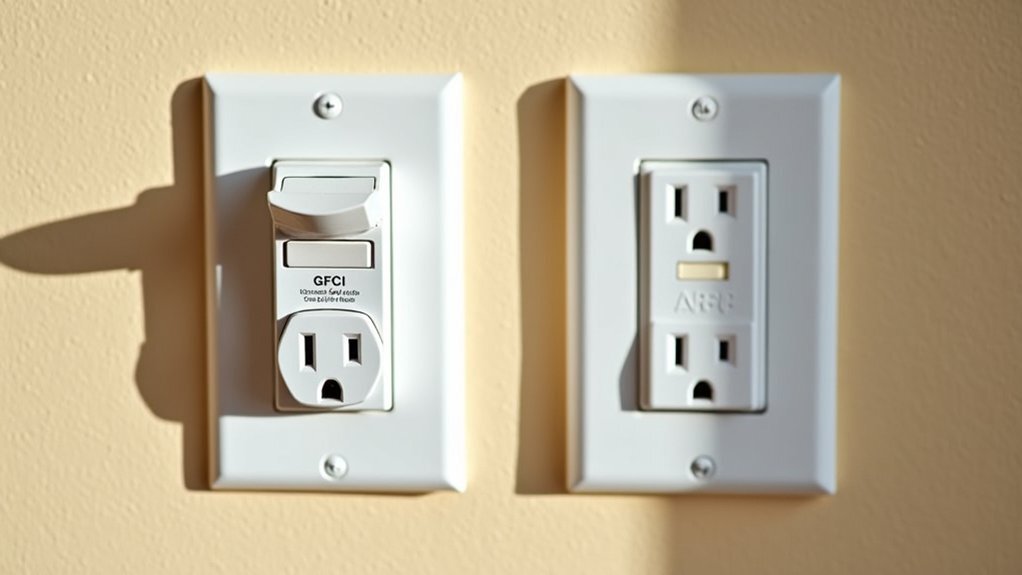
What Is the Difference Between GFCI and AFCI Outlets?
GFCI and AFCI outlets have different safety roles in your home. GFCIs protect against electrical shocks by shutting off power when they detect imbalances in electrical current, while AFCIs prevent electrical fires by identifying dangerous arcing conditions in wiring.
Generator Installation and Maintenance: What Homeowners Need to Know
When it comes to generator installation and maintenance, you've got to get it right for safety and efficiency. Learn about proper placement, electrical connections, maintenance routines, and safety guidelines for reliable backup power.
Smart Thermostats: Are They Worth the Investment?
Smart thermostats can cut your energy bills by 10-15% while enhancing comfort and convenience. Learn about their features, benefits, and whether they're worth the investment for your home.

Steps to Lower Your Electricity Bill Without Major Upgrades
Discover simple yet effective strategies to reduce your electricity costs without expensive home renovations. Learn about thermostat optimization, appliance efficiency, and energy-saving habits.

Electric Vehicle Charging Station Installation for Residences
Learn how to install an electric vehicle charging station at home with expert guidance on charger types, electrical requirements, permits, and professional installation.
How Often Should I Schedule Professional Electrical Inspections?
Learn the recommended frequency for residential and commercial electrical inspections to keep your property safe and compliant with electrical codes.
Smart Home Electrical Upgrades That Boost Comfort and Security
Discover how smart home electrical upgrades can enhance your comfort, security, and energy efficiency while increasing your property value.

Outdoor Lighting Design and Installation Tips for Businesses
Achieve a stunning outdoor lighting design for your business that enhances safety and aesthetics—discover essential tips to illuminate your space effectively.
The Risks of Outdated Electrical Wiring in Older Properties
Outdated electrical wiring in older properties presents serious risks. It can cause fires due to overheating and deteriorating insulation, while also increasing the danger of electrocution from exposed wires. These old systems often can't handle modern appliance demands.

How to Teach Children Electrical Safety at Home
Learn essential strategies to teach your kids electrical safety at home. From understanding basic electricity concepts to recognizing hazards and establishing safety practices, discover how to protect your children from electrical dangers through engaging education and safety equipment.