How Often Should I Schedule Professional Electrical Inspections?
You should schedule professional electrical inspections every 3 to 5 years for your home. If your home is over 25 years old, aim for annual inspections or every 1 to 2 years. Newer homes, under 10 years, can stick to a 5-year schedule. After renovations or if you notice issues like flickering lights, it's time for an immediate check. Staying proactive keeps your system safe and efficient.
Key Takeaways
- Schedule residential electrical inspections every 3 to 5 years; homes over 25 years old need them annually or every 1 to 2 years.
- Newer homes (under 10 years) can be inspected every 5 years.
- Inspect immediately after renovations or when adding high-load appliances.
- Address persistent electrical issues or signs like flickering lights with immediate inspections.
- Commercial buildings should have inspections every 3 to 5 years, with more frequent checks as required by local regulations.
Recommended Inspection Frequency for Residential Properties
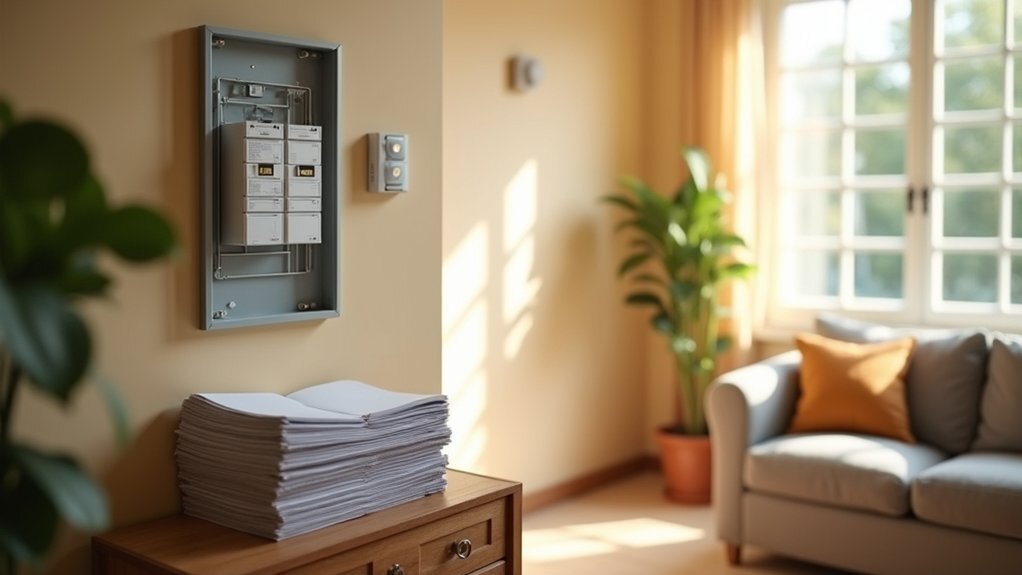
When it comes to maintaining the safety and efficiency of your home's electrical system, scheduling regular inspections is vital. For typical residential properties, aim for inspections every 3 to 5 years. If your home is over 25 years old, you should schedule inspections annually or every 1 to 2 years due to aging wiring and outdated components. Newer homes, under 10 years old, can be inspected every 5 years but don't skip it entirely. After any renovations or when adding high-load appliances, an inspection is essential to guarantee everything's safely integrated. Watch for signs like flickering lights or warm outlets, which indicate you might need an inspection sooner. Routine check-ups help prevent costly repairs and keep your home safe.
For comprehensive residential electrical services in the Arlington area, professional electricians can help you establish a proper inspection schedule based on your home's specific needs and age.
Electrical Inspection Guidelines for Commercial Buildings
Maintaining safety and compliance in commercial buildings requires a structured approach to electrical inspections. You should schedule these inspections every 3 to 5 years, or whenever there's a change in occupancy or significant renovations. Depending on your building's usage and associated risks, local regulations or insurance policies may even demand more frequent checks. As the property owner or landlord, it's your responsibility to guarantee inspections are conducted. Focus areas include verifying compliance with the National Electrical Code, checking wiring and emergency systems, and testing for proper grounding. After each inspection, you'll receive a certificate of electrical safety, which you must provide to tenants upon request, ensuring transparency and compliance.
For professional commercial electrical services that include comprehensive inspection programs, experienced contractors can help ensure your business meets all safety requirements and regulatory compliance standards.
Importance of Timely Electrical Panel Inspections
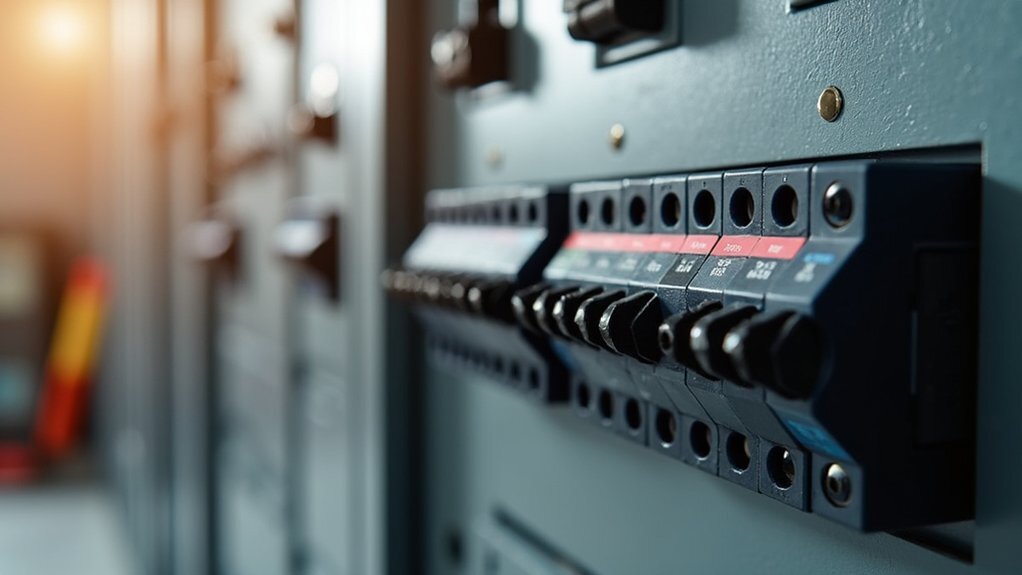
Timely electrical panel inspections are essential for ensuring safety and preventing costly repairs. For residential properties, you should schedule inspections every 3 to 5 years, while homes older than 25 years need them every 2 to 3 years. If your home is historic or has outdated wiring, consider annual inspections. These checks help identify loose connections that could lead to overheating and potential fires. They also detect outdated components that may not handle modern electrical loads, preventing overloads and equipment failures. By maintaining compliance with safety codes, you reduce liability risks and avoid non-compliance fines. Regular inspections help catch minor issues before they escalate, ultimately saving you money and ensuring your home's electrical system remains efficient and safe. Additionally, early issue identification during inspections can prevent major repairs down the line.
Trigger Events That Necessitate Immediate Inspections
Regular electrical panel inspections help keep your home's electrical system safe, but certain events can trigger the need for immediate inspections. If you've recently completed renovations or construction work, it's essential to verify that new wiring and circuits are up to code. Severe weather, like storms or flooding, may cause hidden damage that requires prompt assessment. Watch for persistent electrical issues, such as frequent breaker trips or flickering lights—these often signal underlying problems. If you experience localized power outages while neighbors remain powered, it's time to investigate. Finally, any visible damage to cords, switches, or outlets demands immediate attention to prevent hazards. Don't ignore these triggers; they're critical for maintaining your electrical safety. Regular inspections can reduce electrical fault risks by 60%, making it essential to act promptly when these events occur.
For emergency electrical services and immediate inspection needs in the Arlington area, qualified electricians are available to respond quickly to protect your property and ensure safety compliance.
Safety Considerations and Expert Recommendations
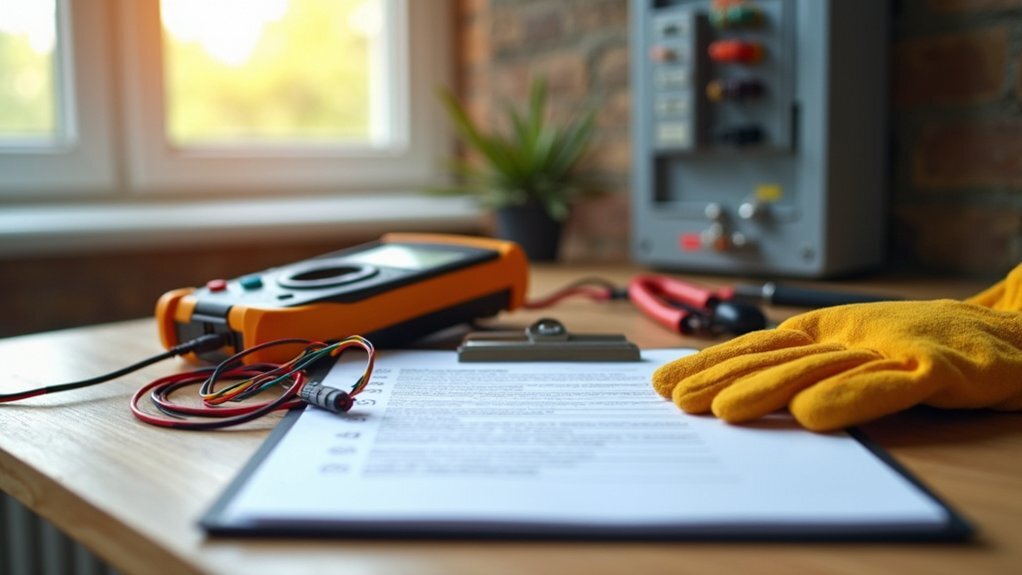
While you might think your electrical system is functioning well, safety considerations and expert recommendations highlight the importance of scheduled inspections to catch potential hazards early. For homes under 25 years old, aim for inspections every 3 to 5 years. If your home is older than 25, consider scheduling them every 2 to 3 years to address outdated wiring. Historic homes over 50 years old require annual check-ups due to aging systems. High energy consumption signals a need for more frequent inspections. After major renovations or signs of trouble, immediate inspections are vital. Regular assessments help prevent electrical fires and guarantee compliance with safety codes, ultimately protecting both your home and your peace of mind. Regular testing is essential for identifying potential faults and ensuring safety compliance in your electrical systems.
Working with experienced local electricians who understand both residential and commercial electrical safety requirements ensures you receive expert recommendations tailored to your specific property and usage patterns.
Frequently Asked Questions
How Much Does a Professional Electrical Inspection Typically Cost?
A professional electrical inspection typically costs between $69 and $200 for standard checks, with the national average around $82 to $145. If you need a full home inspection, expect to pay between $250 and $400. Specialized inspections, like infrared imaging, can add $150 to $350 to your bill. Remember, costs can vary based on your home's age, size, and location, so it's wise to gather multiple quotes before deciding.
Can I Perform Electrical Inspections Myself?
You can't perform electrical inspections yourself if you lack the proper training and licensing. Doing so may violate local codes and put your safety at risk. You might overlook critical issues, like faulty wiring or overloaded circuits, which could lead to dangerous situations. It's best to hire a licensed electrician who knows the regulations and can guarantee your home's electrical system is safe and compliant. Trust their expertise to protect your home.
What Qualifications Should an Electrician Have for Inspections?
To guarantee safe and effective electrical inspections, you should hire an electrician with a valid state license and relevant certifications, like NICET or CESCP. They need extensive knowledge of the National Electrical Code and local regulations, along with practical experience in electrical work. Look for someone with strong problem-solving skills and effective communication abilities. It's also crucial they carry liability insurance to protect against any potential errors during the inspection process.
How Long Does a Typical Electrical Inspection Take?
A typical electrical inspection takes about 2 to 4 hours for average-sized homes. If your home is larger or older, it might take longer, sometimes exceeding 4 hours due to complexity. Focused inspections, like checking the electrical panel, usually last 1 to 2 hours. Factors like the size of your home, the number of electrical components, and any visible issues can also influence how long the inspection will take.
What Should I Expect During an Electrical Inspection?
During an electrical inspection, you can expect a thorough examination of your electrical panel, wiring, outlets, and switches. The inspector will check for visible damage and test the functionality of GFCI and AFCI devices. They'll guarantee compliance with local codes and assess grounding systems. You might see them using tools like multimeters to measure voltage and resistance. Expect recommendations for any necessary repairs to guarantee your system's safety and efficiency.
Need professional electrical inspection services? Contact Darby Electric Service at (817) 583-6997 for comprehensive electrical safety inspections that keep your property compliant and secure.
Need Professional Electrical Services?
Trust the experts at Darby Electric Service for all your electrical needs in Arlington, TX.
Related Articles
Battery Storage Systems Explained: Powering Your Home During Outages
Learn how battery storage systems provide reliable backup power during outages, integrate with solar panels, and enhance your home's energy independence.

The Future of Energy: How Solar Power Integrates With Modern Electrical Systems
Discover how solar power's rapid growth and innovative technologies are transforming modern electrical systems, creating sustainable energy solutions for residential, commercial, and industrial applications.
How Infrared Scanning Detects Electrical Problems Before They Start
Discover how infrared thermal imaging technology identifies overheating components, loose connections, and potential electrical failures before they become costly emergencies.
Understanding the Difference Between Single-Phase and Three-Phase Power
Learn the key differences between single-phase and three-phase power systems, including efficiency, cost, load handling, and practical applications for residential, commercial, and industrial use.
How to Plan for an Electrical System Expansion in a Growing Business
Learn how to effectively plan for electrical system expansion in your growing business, from assessing infrastructure to implementing energy-efficient solutions and ensuring compliance with safety regulations.
Why Every Business Should Consider an Electrical Maintenance Contract
Discover why electrical maintenance contracts are essential for business success, offering cost savings, enhanced safety, reduced downtime, and improved operational efficiency while protecting your investment.

How Lighting Design Impacts Employee Productivity and Mood
Discover how effective lighting design can boost productivity by over 60%, improve employee mood, and create significant cost savings through strategic implementation of natural and artificial lighting solutions.
Understanding Your Home's Electrical Code Requirements
Learn about essential electrical code requirements for your home, including 2025 updates for EV charging, safety enhancements, and compliance standards to keep your property safe and up to code.
The Hidden Dangers of DIY Electrical Repairs
DIY electrical repairs can hide serious dangers. You risk electrocution, as many accidents lead to deaths and injuries each year. Without expertise, you may create fire hazards that can damage your property and invalidate your homeowners' insurance.
How Whole-Home Surge Protection Keeps Your Electronics Safe
Whole-home surge protection keeps your electronics safe by acting as a robust defense against electrical surges. Installed at your main electrical panel, it uses advanced technologies like Metal Oxide Varistors to absorb excess voltage and divert it safely to ground.
Essential Electrical Tools Every Homeowner Should Own
Discover the must-have electrical tools for every homeowner. From voltage testers to wire strippers, learn about the essential equipment that ensures safety and efficiency in your electrical projects.
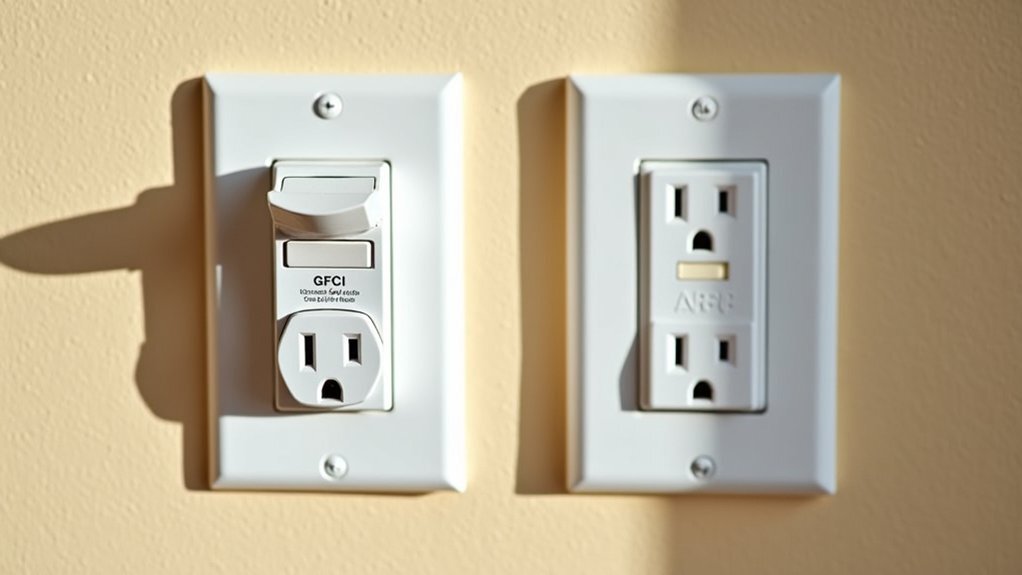
What Is the Difference Between GFCI and AFCI Outlets?
GFCI and AFCI outlets have different safety roles in your home. GFCIs protect against electrical shocks by shutting off power when they detect imbalances in electrical current, while AFCIs prevent electrical fires by identifying dangerous arcing conditions in wiring.
Why You Should Switch to Copper Wiring for Home Safety
Switching to copper wiring is essential for your home's safety. Copper offers superior electrical conductivity, reducing energy loss and minimizing fire risks. Learn about its durability, cost-effectiveness, and compliance with safety codes.
Generator Installation and Maintenance: What Homeowners Need to Know
When it comes to generator installation and maintenance, you've got to get it right for safety and efficiency. Learn about proper placement, electrical connections, maintenance routines, and safety guidelines for reliable backup power.
Smart Thermostats: Are They Worth the Investment?
Smart thermostats can cut your energy bills by 10-15% while enhancing comfort and convenience. Learn about their features, benefits, and whether they're worth the investment for your home.

Steps to Lower Your Electricity Bill Without Major Upgrades
Discover simple yet effective strategies to reduce your electricity costs without expensive home renovations. Learn about thermostat optimization, appliance efficiency, and energy-saving habits.

Electric Vehicle Charging Station Installation for Residences
Learn how to install an electric vehicle charging station at home with expert guidance on charger types, electrical requirements, permits, and professional installation.
Smart Home Electrical Upgrades That Boost Comfort and Security
Discover how smart home electrical upgrades can enhance your comfort, security, and energy efficiency while increasing your property value.

Outdoor Lighting Design and Installation Tips for Businesses
Achieve a stunning outdoor lighting design for your business that enhances safety and aesthetics—discover essential tips to illuminate your space effectively.
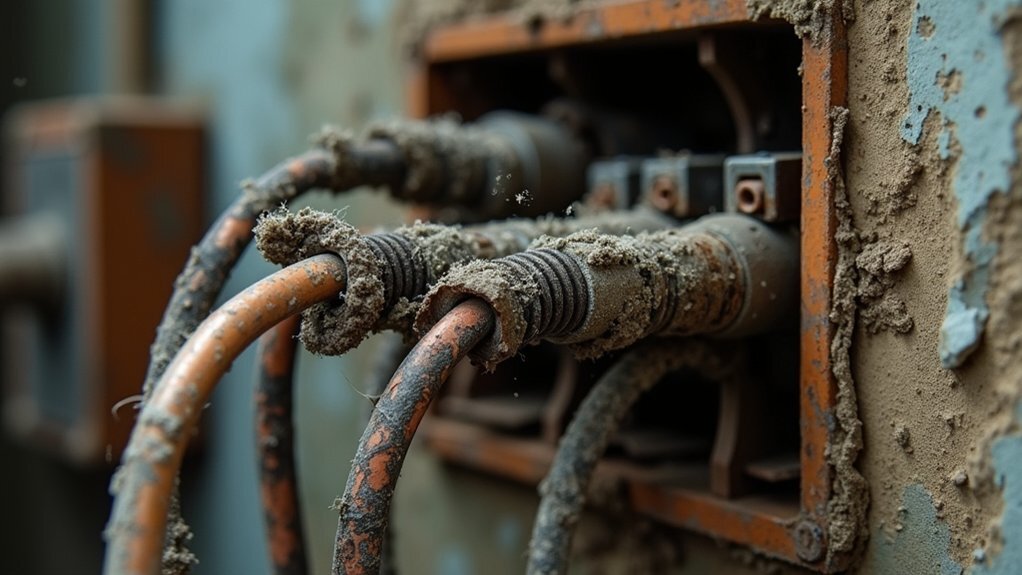
The Risks of Outdated Electrical Wiring in Older Properties
Outdated electrical wiring in older properties presents serious risks. It can cause fires due to overheating and deteriorating insulation, while also increasing the danger of electrocution from exposed wires. These old systems often can't handle modern appliance demands.

How to Teach Children Electrical Safety at Home
Learn essential strategies to teach your kids electrical safety at home. From understanding basic electricity concepts to recognizing hazards and establishing safety practices, discover how to protect your children from electrical dangers through engaging education and safety equipment.