How Infrared Scanning Detects Electrical Problems Before They Start
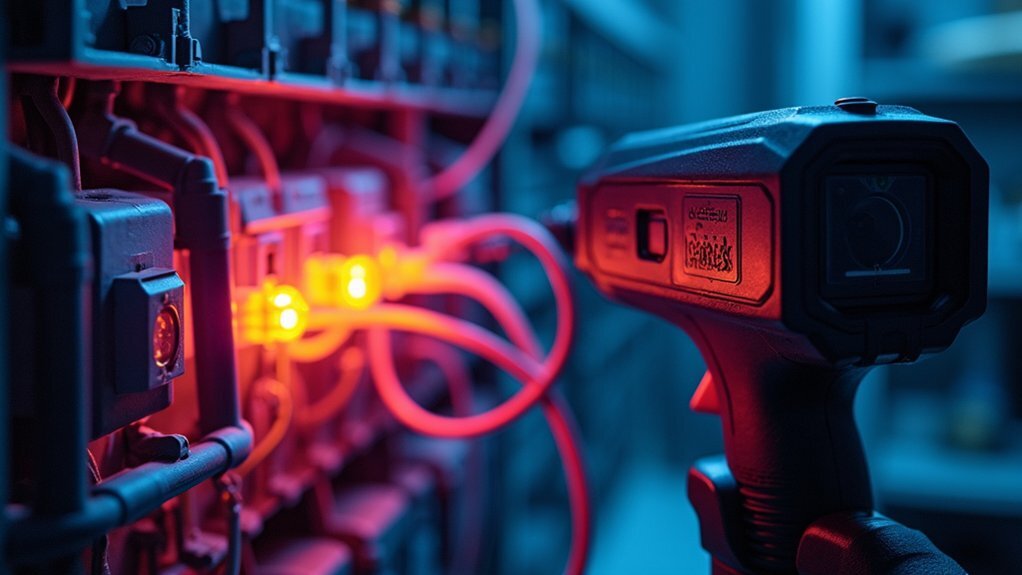
Infrared scanning detects electrical problems before they start by using thermal imaging technology to spot overheating components and electrical abnormalities. It identifies issues like overloaded circuits, loose connections, and insulation breakdowns that generate excess heat. By performing inspections while equipment operates under normal load, you can find potential failures early, enhancing safety and reducing costly emergency repairs. There's more to uncover about how this innovative technology plays an essential role in predictive maintenance for electrical systems.
Key Takeaways
- Infrared scanning identifies overheating components and overloaded circuits that signal potential electrical failures before they occur.
- The technology detects loose or corroded connections, creating hotspots that can lead to equipment malfunctions.
- Aging electrical components exhibiting abnormal heat patterns are revealed, allowing for proactive maintenance.
- Imbalanced loads in three-phase systems are uncovered, preventing uneven heating and potential system failures.
- Regular inspections enhance safety by detecting insulation breakdowns and ground faults, reducing fire hazards before they escalate.
Understanding Infrared Scanning Technology
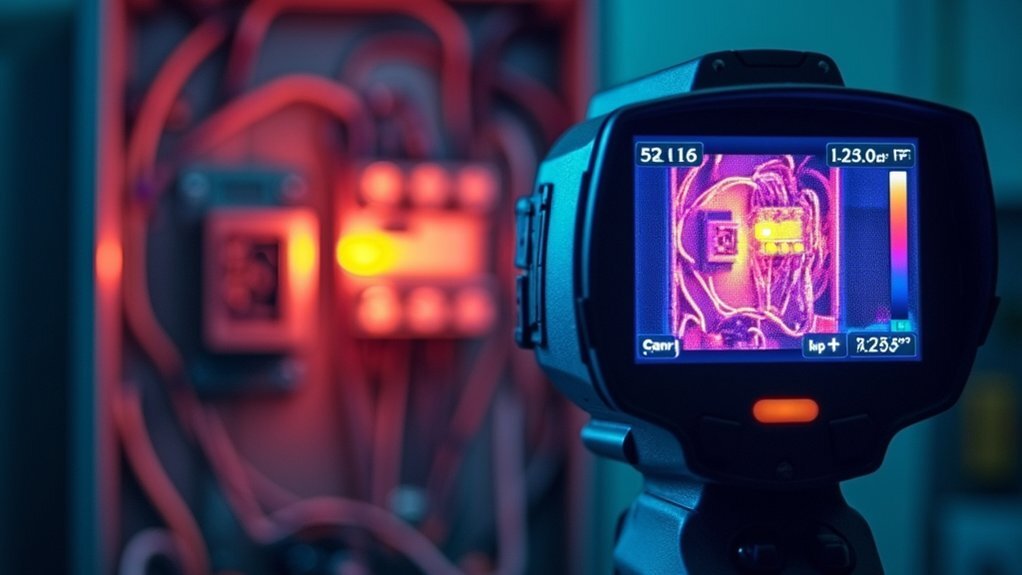
Infrared scanning technology revolutionizes how you diagnose electrical problems by using thermal imaging to reveal hidden issues. This non-invasive technique employs infrared cameras to detect temperature variations on surfaces, helping you identify potential issues in electrical and mechanical systems before they escalate into costly failures. By utilizing thermal imaging, you convert infrared radiation into visual images that highlight these temperature variations, enhancing equipment reliability and employee safety. For the best results, scans should be conducted under normal operating conditions, ideally at 40% load or higher. With proper training and the right equipment, you can implement infrared scanning as a proactive maintenance strategy, reducing downtime and costs while ensuring compliance with industry safety standards. Regularly scheduled thermographic inspections are crucial for maintaining electrical safety and efficiency in your facility.
Common Electrical Issues Identified Through Thermal Imaging
What common electrical issues can thermal imaging help you uncover? You can identify overloaded circuits and components that generate excess heat, signaling potential failures. Loose or corroded connections increase resistance, creating localized hotspots that infrared scans easily detect. Aging components like breakers and transformers also show abnormal heat patterns, prompting proactive replacements before they fail. Additionally, imbalanced loads in three-phase systems reveal uneven heating, potentially damaging equipment over time. Finally, thermal imaging can uncover insulation breakdowns and ground faults, which generate heat from current leakage. By catching these issues early, you can prevent costly downtime and guarantee your electrical systems remain safe and efficient. Regular infrared inspections can also prevent unexpected breakdowns and significantly enhance overall system performance.
Best Practices for Conducting Infrared Inspections
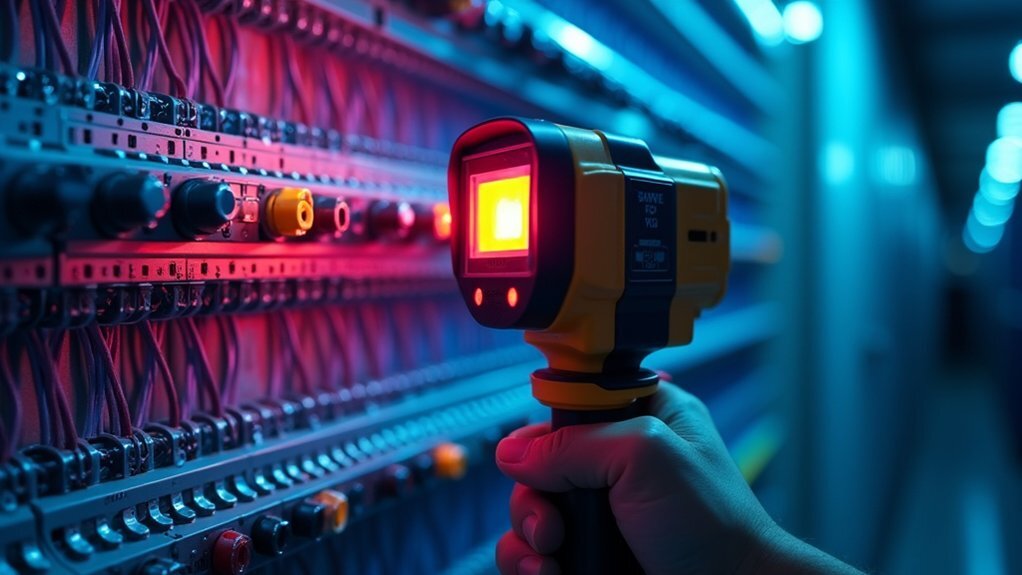
Conducting effective infrared inspections requires careful preparation and adherence to best practices. Always inspect electrical equipment while energized and under normal load for accurate readings. Safely remove covers to access terminations and contacts, or use infrared windows for larger panels. Ascertain your thermal camera has the necessary resolution and sensitivity to spot small hot spots, and calibrate your equipment beforehand. Follow NFPA 70E guidelines for safety, and only allow certified thermographers to perform inspections. Conduct scans when equipment is at least 40% loaded and avoid scanning during startup or shutdown. Document findings thoroughly, including temperature measurements and environmental factors, and use standardized reporting formats to ascertain consistent communication and follow-up on any identified issues. Infrared scanning is essential for troubleshooting and preventive maintenance, as it helps detect potential electrical failures before they occur.
Factors Influencing the Accuracy of Thermal Scanning
When performing thermal scanning, several key factors can impact the accuracy of your readings. First, the emissivity of the target material plays a significant role; reflective surfaces can lead to inaccuracies if not adjusted properly. Environmental conditions, such as ambient temperature fluctuations and external heat sources, can create misleading hot spots, so it's best to avoid direct sunlight. Your equipment's calibration also matters; confirm your camera is sensitive enough to detect minor temperature differences and is properly focused. Additionally, the accuracy of thermal imaging is influenced by surface characteristics, so understanding the emissivity of different materials can enhance your readings. Finally, your skill and training as an operator are essential. Understanding equipment operation and material properties helps distinguish true anomalies from artifacts, leading to more reliable diagnostics. Always consider the electrical load and stabilization of components during inspections for accurate results.
Advantages of Infrared Scanning in Electrical Maintenance
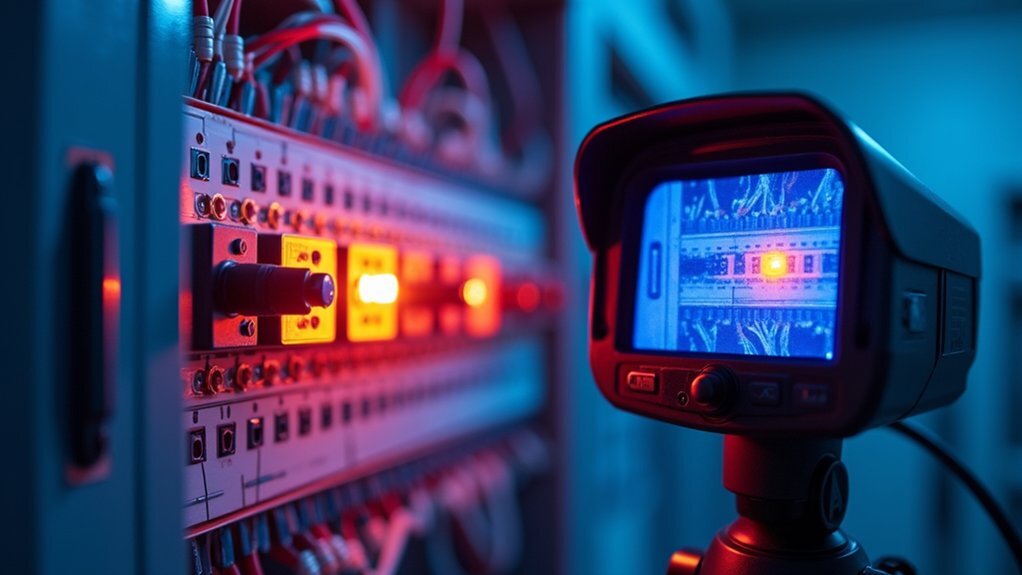
Accurate thermal scanning not only helps identify potential electrical issues but also offers significant advantages in maintenance practices. It allows you to detect overheating and loose connections before they cause costly failures, preventing damage to your equipment. You can inspect energized systems without shutting down operations, enabling prioritized repairs based on severity and reducing unplanned downtime. This proactive approach enhances safety by highlighting fire hazards and minimizing risks to personnel. Additionally, it saves money by avoiding expensive emergency repairs and extending equipment lifespan. With non-intrusive inspections that can be performed remotely, infrared scanning supports efficient maintenance schedules while ensuring ideal operating conditions, ultimately improving reliability and performance in your electrical infrastructure. Moreover, this technology utilizes thermal imaging cameras to capture infrared radiation, enabling early detection of potential failures.
Key Applications for Infrared Scanning in Various Facilities
Infrared scanning plays an essential role in various facilities by providing insights into electrical systems that might otherwise go unnoticed. In commercial settings, it identifies loose connections and overloaded circuits in panels and switchboards, enhancing safety and efficiency. In industrial facilities, it detects hot spots in motors and transformers, preventing thermal-related failures. Utility and power generation sites benefit from thermal inspections of transmission lines and substations, minimizing the risk of outages. Healthcare facilities rely on infrared scanning to guarantee backup power systems are functional and ready for emergencies. By integrating infrared thermography into maintenance programs, you can reduce unexpected downtime and costly repairs across all types of facilities, ultimately improving operational integrity and safety. This noninvasive technology is crucial for identifying potential issues that could lead to larger problems down the line.
The Role of Predictive Maintenance in Electrical Safety
Though electrical systems can be prone to failures, predictive maintenance greatly enhances safety by identifying potential issues before they escalate. By detecting anomalies early, you can prevent hazardous incidents like arc flash and insulation breakdowns. With infrared scanning, you'll spot overheating components and fault points, allowing for timely interventions that improve worker safety and minimize risks. This proactive approach reduces unplanned downtime and equipment failures, helping you schedule repairs before they disrupt operations. Additionally, it leads to cost savings by avoiding expensive emergency repairs and extending asset lifespan. Ultimately, predictive maintenance fosters a culture of safety and compliance, ensuring your electrical systems operate reliably and efficiently while protecting your workforce and resources. Predictive electrical maintenance ensures efficient use of maintenance resources, further enhancing operational reliability.
Scheduling and Frequency of Infrared Scanning Inspections
Maintaining safety and performance in electrical systems relies heavily on the timely scheduling of infrared scanning inspections. NFPA 70B recommends annual inspections for most commercial and industrial settings, while larger residential properties should be inspected every two years. To enhance safety, schedule scans before shutdown periods. For critical equipment, consider quarterly or semi-annual inspections based on risk classification. If you've got an older system or recent upgrades, increase your inspection frequency to catch potential issues early. Environmental factors like extreme temperatures and humidity can also dictate more frequent checks. By tracking inspection results and adjusting schedules based on your equipment's history, you'll guarantee peak performance and reduce the risk of unforeseen failures. Regular inspections can help avoid unexpected downtime in operations.
Ready to protect your electrical systems with infrared scanning? Contact Darby Electric today to schedule a comprehensive thermal imaging inspection and prevent costly failures before they start.
Frequently Asked Questions
How Does Infrared Scanning Differ From Traditional Electrical Inspections?
Infrared scanning differs from traditional electrical inspections by allowing you to assess systems without opening panels or exposing yourself to live components. It provides quick, non-contact evaluations of multiple areas simultaneously, eliminating costly shutdowns. While traditional methods rely on visual checks, infrared scanning detects hidden heat imbalances and potential faults early on, enabling you to address issues proactively and improve safety, all while reducing inspection costs and labor requirements.
What Types of Thermal Imaging Cameras Are Best for Electrical Inspections?
For electrical inspections, the FLIR thermal imaging cameras are exceptional due to their high accuracy and resolution. If you need precise checks, consider the Hti-Xintai HT-18. The Thor001 is great for real-time imaging, making it easier to spot problems quickly. If you're on a budget, the FLIR ONE Gen 3 can turn your smartphone into an effective thermal imager. Choose based on your specific needs and the environment you'll be working in.
Can Infrared Scanning Detect Issues in Non-Electrical Systems?
Yes, infrared scanning can detect issues in non-electrical systems. You can identify leaks in ductwork, moisture behind walls, and structural defects affecting energy efficiency. It helps reveal pest infestations and overheating mechanical components too. This non-invasive technique allows you to spot potential problems early, reducing repair costs and improving safety without damaging your property. Just remember, it works best alongside other inspection methods for a thorough assessment.
How Long Does an Infrared Scanning Inspection Typically Take?
An infrared scanning inspection typically takes anywhere from a few hours to several days, depending on the facility's size and equipment complexity. For simple setups, you might finish in a few hours, while larger plants with extensive equipment could require days to weeks. Factors like the number of accessible components and the need for detailed analysis can also extend the duration, so it's essential to plan accordingly for efficient inspections.
What Qualifications Should Personnel Have for Conducting Infrared Scans?
To conduct infrared scans, you should have a minimum of 36 hours of formal training, focusing on thermodynamics and camera operation. A Level 1 certification is vital, alongside hands-on experience in data collection and analysis. You'll need to be familiar with safety procedures and possess documented field experience for higher certifications. Ongoing education and adherence to industry standards will keep your skills sharp and guarantee you're competent in this critical role.
Need Professional Electrical Services?
Trust the experts at Darby Electric Service for all your electrical needs in Arlington, TX.
Related Articles
Battery Storage Systems Explained: Powering Your Home During Outages
Learn how battery storage systems provide reliable backup power during outages, integrate with solar panels, and enhance your home's energy independence.
The Future of Energy: How Solar Power Integrates With Modern Electrical Systems
Discover how solar power's rapid growth and innovative technologies are transforming modern electrical systems, creating sustainable energy solutions for residential, commercial, and industrial applications.
Understanding the Difference Between Single-Phase and Three-Phase Power
Learn the key differences between single-phase and three-phase power systems, including efficiency, cost, load handling, and practical applications for residential, commercial, and industrial use.
How to Plan for an Electrical System Expansion in a Growing Business
Learn how to effectively plan for electrical system expansion in your growing business, from assessing infrastructure to implementing energy-efficient solutions and ensuring compliance with safety regulations.
Why Every Business Should Consider an Electrical Maintenance Contract
Discover why electrical maintenance contracts are essential for business success, offering cost savings, enhanced safety, reduced downtime, and improved operational efficiency while protecting your investment.

How Lighting Design Impacts Employee Productivity and Mood
Discover how effective lighting design can boost productivity by over 60%, improve employee mood, and create significant cost savings through strategic implementation of natural and artificial lighting solutions.
Understanding Your Home's Electrical Code Requirements
Learn about essential electrical code requirements for your home, including 2025 updates for EV charging, safety enhancements, and compliance standards to keep your property safe and up to code.
The Hidden Dangers of DIY Electrical Repairs
DIY electrical repairs can hide serious dangers. You risk electrocution, as many accidents lead to deaths and injuries each year. Without expertise, you may create fire hazards that can damage your property and invalidate your homeowners' insurance.
How Whole-Home Surge Protection Keeps Your Electronics Safe
Whole-home surge protection keeps your electronics safe by acting as a robust defense against electrical surges. Installed at your main electrical panel, it uses advanced technologies like Metal Oxide Varistors to absorb excess voltage and divert it safely to ground.
Essential Electrical Tools Every Homeowner Should Own
Discover the must-have electrical tools for every homeowner. From voltage testers to wire strippers, learn about the essential equipment that ensures safety and efficiency in your electrical projects.
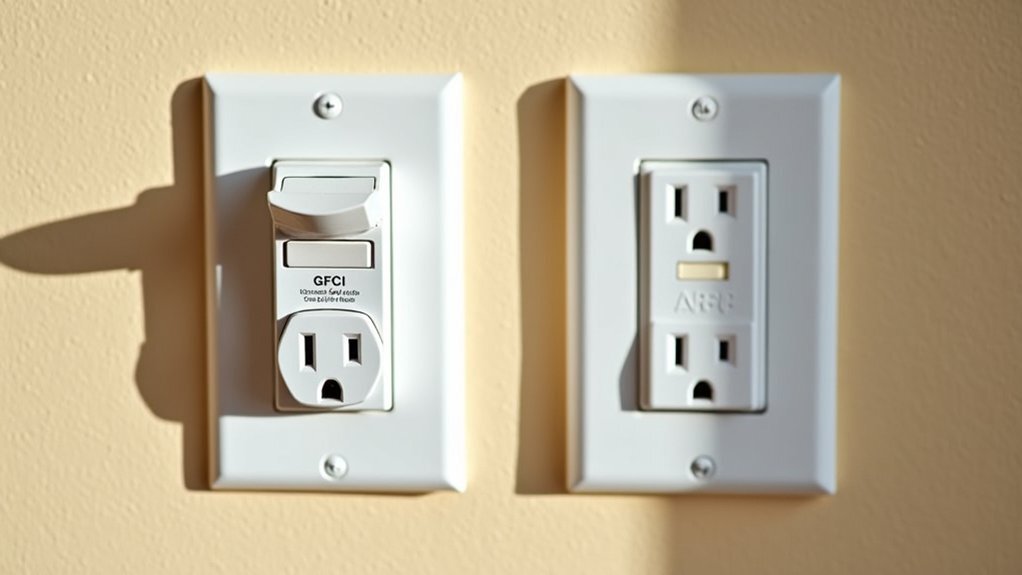
What Is the Difference Between GFCI and AFCI Outlets?
GFCI and AFCI outlets have different safety roles in your home. GFCIs protect against electrical shocks by shutting off power when they detect imbalances in electrical current, while AFCIs prevent electrical fires by identifying dangerous arcing conditions in wiring.
Why You Should Switch to Copper Wiring for Home Safety
Switching to copper wiring is essential for your home's safety. Copper offers superior electrical conductivity, reducing energy loss and minimizing fire risks. Learn about its durability, cost-effectiveness, and compliance with safety codes.
Generator Installation and Maintenance: What Homeowners Need to Know
When it comes to generator installation and maintenance, you've got to get it right for safety and efficiency. Learn about proper placement, electrical connections, maintenance routines, and safety guidelines for reliable backup power.
Smart Thermostats: Are They Worth the Investment?
Smart thermostats can cut your energy bills by 10-15% while enhancing comfort and convenience. Learn about their features, benefits, and whether they're worth the investment for your home.

Steps to Lower Your Electricity Bill Without Major Upgrades
Discover simple yet effective strategies to reduce your electricity costs without expensive home renovations. Learn about thermostat optimization, appliance efficiency, and energy-saving habits.

Electric Vehicle Charging Station Installation for Residences
Learn how to install an electric vehicle charging station at home with expert guidance on charger types, electrical requirements, permits, and professional installation.
How Often Should I Schedule Professional Electrical Inspections?
Learn the recommended frequency for residential and commercial electrical inspections to keep your property safe and compliant with electrical codes.
Smart Home Electrical Upgrades That Boost Comfort and Security
Discover how smart home electrical upgrades can enhance your comfort, security, and energy efficiency while increasing your property value.

Outdoor Lighting Design and Installation Tips for Businesses
Achieve a stunning outdoor lighting design for your business that enhances safety and aesthetics—discover essential tips to illuminate your space effectively.
The Risks of Outdated Electrical Wiring in Older Properties
Outdated electrical wiring in older properties presents serious risks. It can cause fires due to overheating and deteriorating insulation, while also increasing the danger of electrocution from exposed wires. These old systems often can't handle modern appliance demands.

How to Teach Children Electrical Safety at Home
Learn essential strategies to teach your kids electrical safety at home. From understanding basic electricity concepts to recognizing hazards and establishing safety practices, discover how to protect your children from electrical dangers through engaging education and safety equipment.