Outdoor Lighting Design and Installation Tips for Businesses
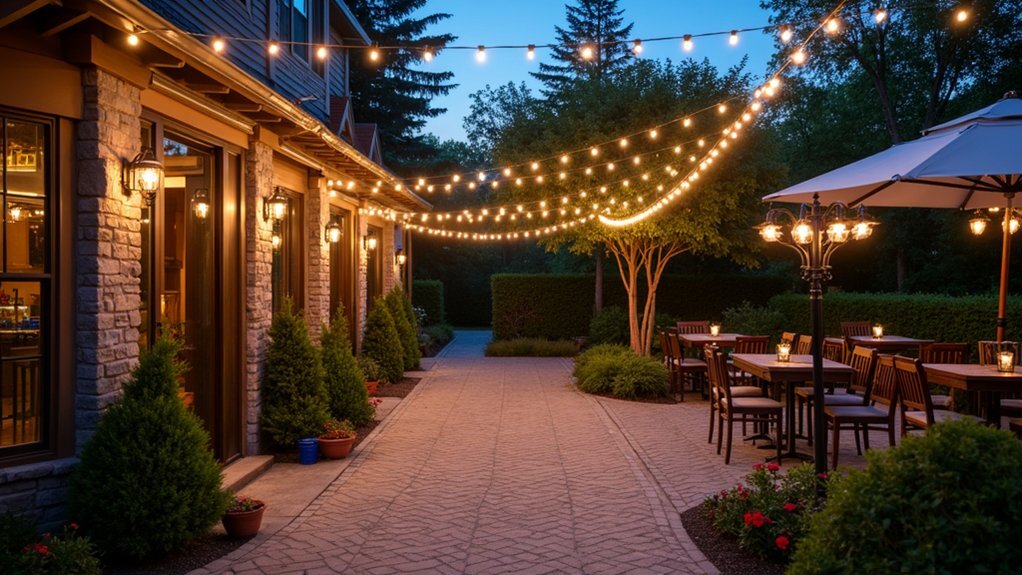
To successfully design and install outdoor lighting for your business, prioritize safety by ensuring walkways and entrances are well-lit. Choose energy-efficient LED fixtures to cut costs and reduce environmental impact. Layer your lighting using ambient, task, and accent options for functionality and aesthetics. Always adhere to safety compliance and local regulations during installation. Regular maintenance is essential for longevity and performance. Want to discover more about optimizing your outdoor lighting strategy?
Key Takeaways
- Prioritize safety by ensuring all walkways, entrances, and parking areas are well-lit and clearly visible to enhance security for visitors.
- Choose energy-efficient LED fixtures to reduce outdoor lighting costs and minimize environmental impact while providing long-lasting illumination.
- Layer lighting types by combining ambient, task, and accent lighting to enhance functionality and aesthetics throughout the outdoor space.
- Follow local regulations and the National Electric Code for compliant installation, ensuring fixtures are safely mounted and properly grounded.
- Regularly maintain lighting by cleaning fixtures, checking for burnt-out bulbs, and scheduling professional assessments to ensure optimal performance.
Defining Lighting Goals and Objectives
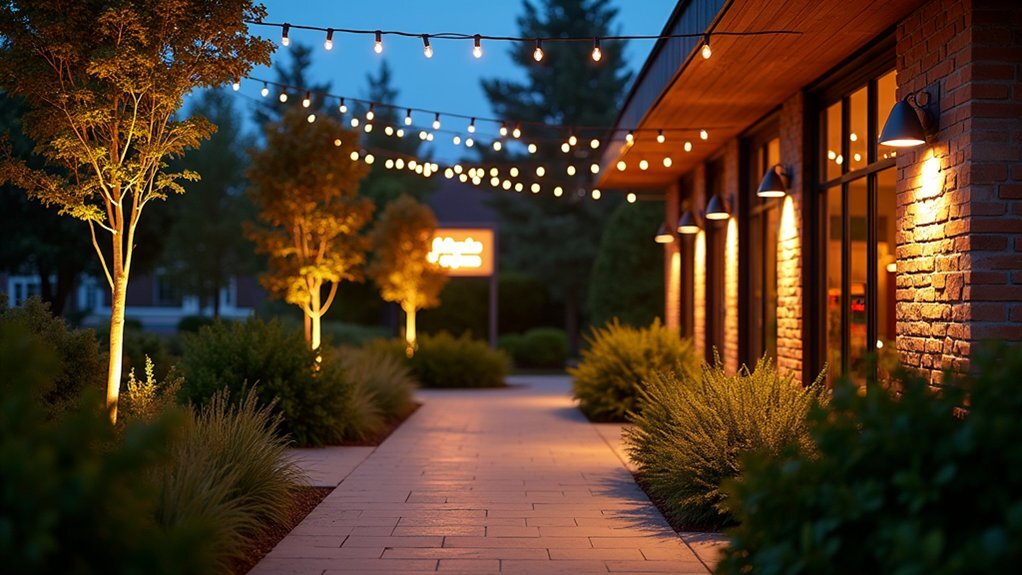
When you set out to design outdoor lighting for your business, it's essential to clarify your lighting goals and objectives. Start by prioritizing safety and security; well-lit walkways, entrances, and parking areas help reduce hazards and deter crime. Strategic placement of lighting fixtures enhances visibility and ensures that all critical areas are adequately illuminated. Don't forget wayfinding—effective lighting guides visitors smoothly through your space, enhancing their overall experience. Aesthetic enhancement is also vital; highlight architectural features and landscaping to elevate your property's appeal. Consider extending operational hours by creating functional areas for seating or late-night services. Finally, focus on energy efficiency and sustainability to lower operational costs and minimize environmental impact. By defining these objectives, you can create a cohesive outdoor lighting plan that meets both your business needs and community expectations.
For comprehensive commercial electrical services that include professional outdoor lighting design and installation, our experienced team can help create the perfect lighting solution for your business property.
Key Principles of Outdoor Lighting Design
Having defined your lighting goals and objectives, it's time to explore the key principles that guide effective outdoor lighting design. Focus on controlled and targeted illumination by applying light only where needed to minimize light trespass and pollution. Use timers and sensors to guarantee lights activate only when necessary. Calibrate light levels to avoid glare and guarantee visual comfort. Properly aim and shield fixtures to enhance effectiveness. Consider lumen output and light quality, matching them to the space's function while avoiding dark spots. Plan fixture placement carefully, integrating with existing architecture. Prioritize safety by illuminating walkways and entryways to deter crime while complying with local regulations. Finally, minimize environmental impact by using low-intensity, downward-directed lighting, as IES principles emphasize the importance of purposeful lighting to avoid unnecessary illumination.
Selecting Energy-Efficient Fixtures

Choosing energy-efficient fixtures is essential for businesses aiming to reduce costs and minimize their environmental impact. Switching to LED lighting can cut outdoor lighting energy costs by about 50% compared to traditional options. LEDs convert more electrical energy into light with minimal waste heat, lasting up to 15 times longer than incandescent bulbs. This longevity means you'll spend less on replacements and maintenance. Consider versatile options like LED wallpacks and floodlights, which are designed to endure extreme weather. Additionally, look for fixtures that allow for selectable wattage and color temperature to optimize your energy use. By integrating controls like timers and motion sensors, you can further enhance energy savings while maintaining effective illumination. Enhanced energy efficiency with LED lights consuming 75% less energy contributes to sustainability efforts for businesses and reduces reliance on traditional lighting sources.
Our electrical installation services include expert LED retrofit and new energy-efficient lighting installations that can significantly reduce your business's operating costs.
Ensuring Safety and Compliance in Installation
Guaranteeing safety and compliance during the installation of outdoor lighting is essential for protecting both your property and the people who use it. You'll need to adhere to the National Electric Code (NEC) standards, guaranteeing proper grounding, weatherproof enclosures, and suitable wiring materials for outdoor conditions. Local regulations also matter, as they dictate light intensity, placement, and environmental impact. Be sure to securely mount fixtures at least 7 feet above work surfaces to avoid hazards. Use protective shields to prevent breakage and injuries, and guarantee that bulbs aren't projecting below fixtures to reduce glare. Implement motion sensors for luminaires over 100 watts to enhance energy efficiency and comply with safety mandates, keeping your outdoor space secure and well-lit. Effective outdoor security lighting can deter crime and aid in navigating spaces safely.
For professional electrical installations that meet all NEC standards and local codes, trust our licensed team to handle your commercial electrical work with complete safety compliance.
Layering Lighting for Functionality and Aesthetics
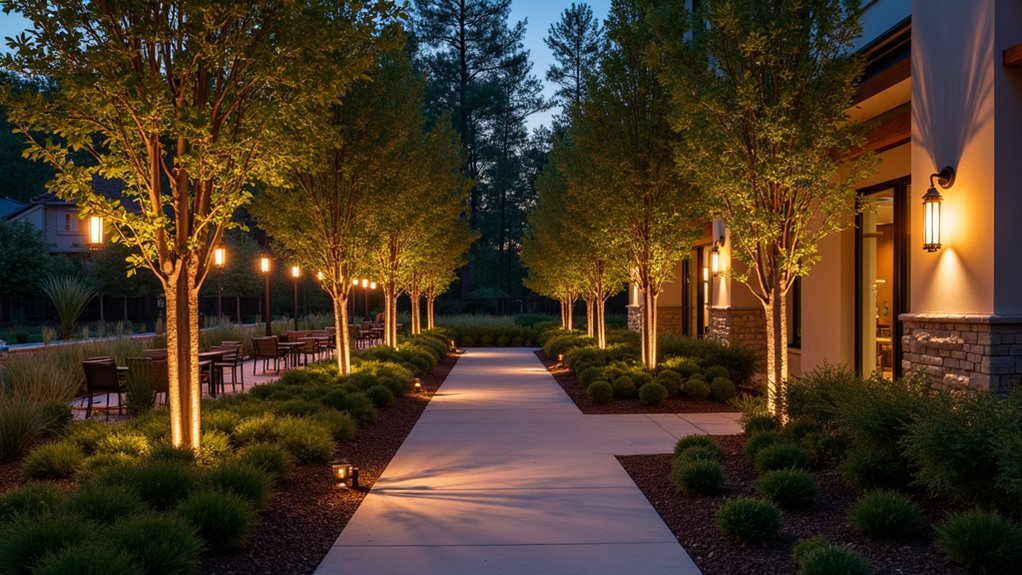
After establishing safety and compliance in your outdoor lighting installation, it's time to focus on how layering different types of lighting can enhance both functionality and aesthetics for your business. Start with ambient lighting for overall visibility, then add task lighting for entryways and walkways to boost safety. Accent lighting can highlight architectural features or landscaping, making your space visually appealing. Consider techniques like uplighting to dramatize features and downlighting to evenly illuminate areas. Guarantee even distribution to avoid dark spots and balance intensity levels—softer for ambient, brighter for tasks, and dramatic for accents. Additionally, layered lighting serves as a solution for creating an inviting outdoor atmosphere that encourages customer engagement. Don't forget to conceal wiring and use durable, waterproof fixtures to maintain a polished look that invites customers in after dark.
Minimizing Environmental Impact With Thoughtful Design
As you design your outdoor lighting, consider the significant impact it can have on the environment. Opt for energy-efficient technologies like LED and solar-powered systems, which lower energy consumption and carbon emissions. Incorporate smart controls, such as motion sensors and timers, to minimize energy use further. Focus on directional lighting to reduce glare and light pollution, protecting local wildlife and preserving dark skies. Choose sustainable, durable materials for fixtures to extend their lifespan and reduce waste. Additionally, guarantee your lighting design integrates with the natural landscape, avoiding disruption to habitats. By being mindful of these factors, you'll create a beautiful, functional outdoor space that respects and protects the environment. Moreover, the increasing urbanization and government investment in smart city projects drive the demand for sustainable outdoor lighting solutions.
Regular Maintenance and Upkeep for Longevity
While outdoor lighting can enhance your business's appearance and safety, neglecting regular maintenance can lead to diminished performance and increased costs. To keep your fixtures bright, regularly clean lenses and inspect for dirt or corrosion. Use soft cloths and mild soap; avoid harsh chemicals. Inspect wiring and electrical connections to catch wear early, tightening loose wires and replacing damaged cables before they cause outages. Replace bulbs based on their recommended lifespan and perform group relamping to save time. Maintain clear surroundings by trimming vegetation that obstructs light or damages fixtures. Finally, regularly check timers and control systems to optimize energy use and guarantee reliability, especially for emergency lighting. Consistent upkeep will extend your lighting system's lifespan and effectiveness. Additionally, proper landscape preparation can significantly enhance the safety and functionality of your outdoor lighting setup.
For ongoing maintenance and professional electrical support, our commercial electrical services include comprehensive lighting maintenance programs to keep your business lighting operating at peak performance.
Frequently Asked Questions
How Do I Choose the Right Color Temperature for Outdoor Lighting?
To choose the right color temperature for outdoor lighting, consider the atmosphere you want to create. For cozy spaces, go for warm whites (2200K-3500K). If you need brightness and security, opt for cooler whites (5000K-6500K). For clarity in dining or landscaping, natural whites (3500K-4500K) work best. Remember to match the color temperature to the setting, ensuring your lighting enhances the environment while serving its intended purpose.
What Are the Best Practices for Integrating Lighting Controls?
To integrate lighting controls effectively, start by conducting a thorough energy audit to identify high-consumption areas. Choose control systems that match your needs, including occupancy and daylight sensors for adaptive lighting. Implement automated scheduling to dim or turn off lights during off-peak hours, reducing energy use. Make sure all systems comply with local energy codes and maintain reliable backup power for uninterrupted operation. Regularly test and calibrate sensors for peak performance.
How Can I Ensure My Lighting Complements My Brand Identity?
To guarantee your lighting complements your brand identity, focus on using colors that match your brand palette. Incorporate custom lighting solutions to achieve true brand colors and consider the ambiance you want to create. Use different lighting styles to reflect your brand values, and strategically place lights to highlight key features like logos and signage. By aligning your lighting with your brand's tone and personality, you'll enhance recognition and foster a memorable experience for customers.
What Are Common Mistakes to Avoid in Outdoor Lighting Design?
When designing outdoor lighting, you'll want to avoid several common mistakes. Start early to prevent costly retrofits and guarantee quality fixtures. Select appropriate lights based on their application, paying attention to lumens and beam angles. Be mindful of the quantity and placement to avoid glare or dark zones. Use high-quality materials and conceal light sources to enhance visual comfort. Finally, consider your surroundings to minimize complaints and light trespass issues.
How Can Seasonal Changes Affect My Outdoor Lighting Needs?
Seasonal changes can greatly affect your outdoor lighting needs. Shorter days in fall and winter mean you'll need longer lighting hours for visibility and security. In contrast, longer summer days may reduce your lighting runtime. Weather conditions, like snow or heavy rain, can impact fixture durability and performance, requiring adjustments. Plus, seasonal decorations or events might increase your lighting demands, so it's essential to stay flexible and plan accordingly for ideal efficiency and aesthetics.
Need Professional Electrical Services?
Trust the experts at Darby Electric Service for all your electrical needs in Arlington, TX.
Related Articles
Battery Storage Systems Explained: Powering Your Home During Outages
Learn how battery storage systems provide reliable backup power during outages, integrate with solar panels, and enhance your home's energy independence.
The Future of Energy: How Solar Power Integrates With Modern Electrical Systems
Discover how solar power's rapid growth and innovative technologies are transforming modern electrical systems, creating sustainable energy solutions for residential, commercial, and industrial applications.
How Infrared Scanning Detects Electrical Problems Before They Start
Discover how infrared thermal imaging technology identifies overheating components, loose connections, and potential electrical failures before they become costly emergencies.
Understanding the Difference Between Single-Phase and Three-Phase Power
Learn the key differences between single-phase and three-phase power systems, including efficiency, cost, load handling, and practical applications for residential, commercial, and industrial use.
How to Plan for an Electrical System Expansion in a Growing Business
Learn how to effectively plan for electrical system expansion in your growing business, from assessing infrastructure to implementing energy-efficient solutions and ensuring compliance with safety regulations.
Why Every Business Should Consider an Electrical Maintenance Contract
Discover why electrical maintenance contracts are essential for business success, offering cost savings, enhanced safety, reduced downtime, and improved operational efficiency while protecting your investment.

How Lighting Design Impacts Employee Productivity and Mood
Discover how effective lighting design can boost productivity by over 60%, improve employee mood, and create significant cost savings through strategic implementation of natural and artificial lighting solutions.
Understanding Your Home's Electrical Code Requirements
Learn about essential electrical code requirements for your home, including 2025 updates for EV charging, safety enhancements, and compliance standards to keep your property safe and up to code.

The Hidden Dangers of DIY Electrical Repairs
DIY electrical repairs can hide serious dangers. You risk electrocution, as many accidents lead to deaths and injuries each year. Without expertise, you may create fire hazards that can damage your property and invalidate your homeowners' insurance.
How Whole-Home Surge Protection Keeps Your Electronics Safe
Whole-home surge protection keeps your electronics safe by acting as a robust defense against electrical surges. Installed at your main electrical panel, it uses advanced technologies like Metal Oxide Varistors to absorb excess voltage and divert it safely to ground.

Essential Electrical Tools Every Homeowner Should Own
Discover the must-have electrical tools for every homeowner. From voltage testers to wire strippers, learn about the essential equipment that ensures safety and efficiency in your electrical projects.
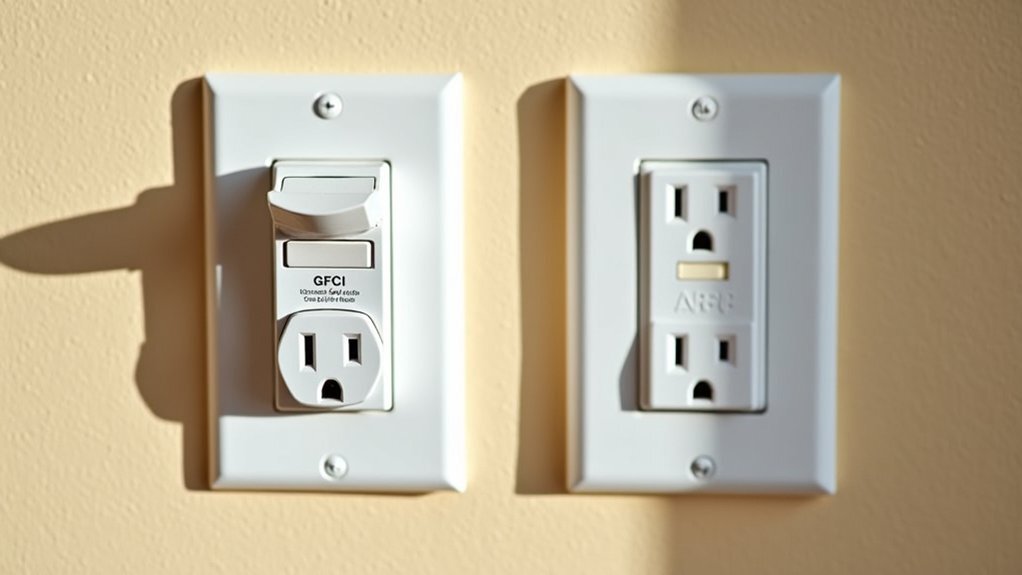
What Is the Difference Between GFCI and AFCI Outlets?
GFCI and AFCI outlets have different safety roles in your home. GFCIs protect against electrical shocks by shutting off power when they detect imbalances in electrical current, while AFCIs prevent electrical fires by identifying dangerous arcing conditions in wiring.
Why You Should Switch to Copper Wiring for Home Safety
Switching to copper wiring is essential for your home's safety. Copper offers superior electrical conductivity, reducing energy loss and minimizing fire risks. Learn about its durability, cost-effectiveness, and compliance with safety codes.
Generator Installation and Maintenance: What Homeowners Need to Know
When it comes to generator installation and maintenance, you've got to get it right for safety and efficiency. Learn about proper placement, electrical connections, maintenance routines, and safety guidelines for reliable backup power.
Smart Thermostats: Are They Worth the Investment?
Smart thermostats can cut your energy bills by 10-15% while enhancing comfort and convenience. Learn about their features, benefits, and whether they're worth the investment for your home.
Steps to Lower Your Electricity Bill Without Major Upgrades
Discover simple yet effective strategies to reduce your electricity costs without expensive home renovations. Learn about thermostat optimization, appliance efficiency, and energy-saving habits.
Electric Vehicle Charging Station Installation for Residences
Learn how to install an electric vehicle charging station at home with expert guidance on charger types, electrical requirements, permits, and professional installation.
How Often Should I Schedule Professional Electrical Inspections?
Learn the recommended frequency for residential and commercial electrical inspections to keep your property safe and compliant with electrical codes.
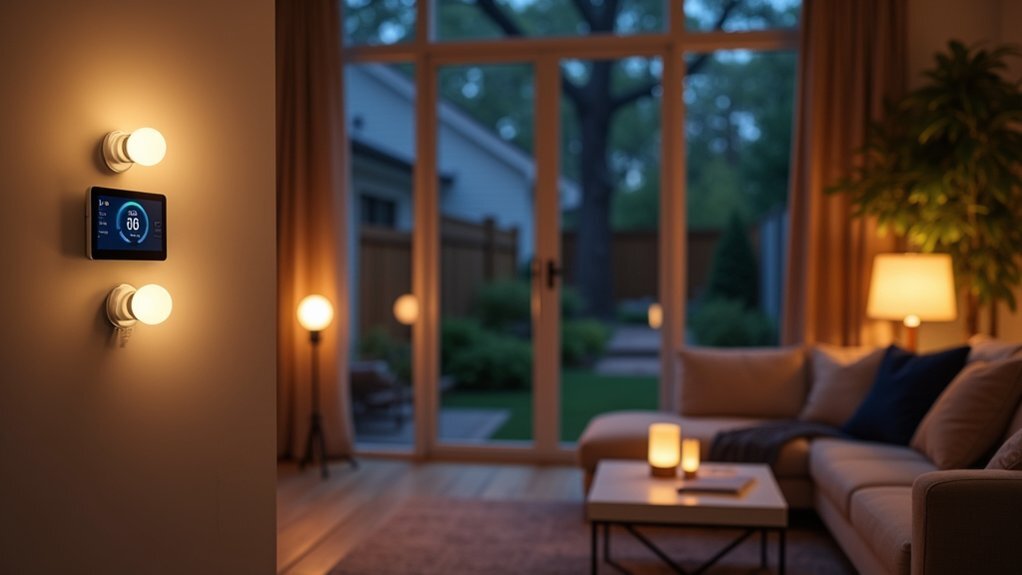
Smart Home Electrical Upgrades That Boost Comfort and Security
Discover how smart home electrical upgrades can enhance your comfort, security, and energy efficiency while increasing your property value.
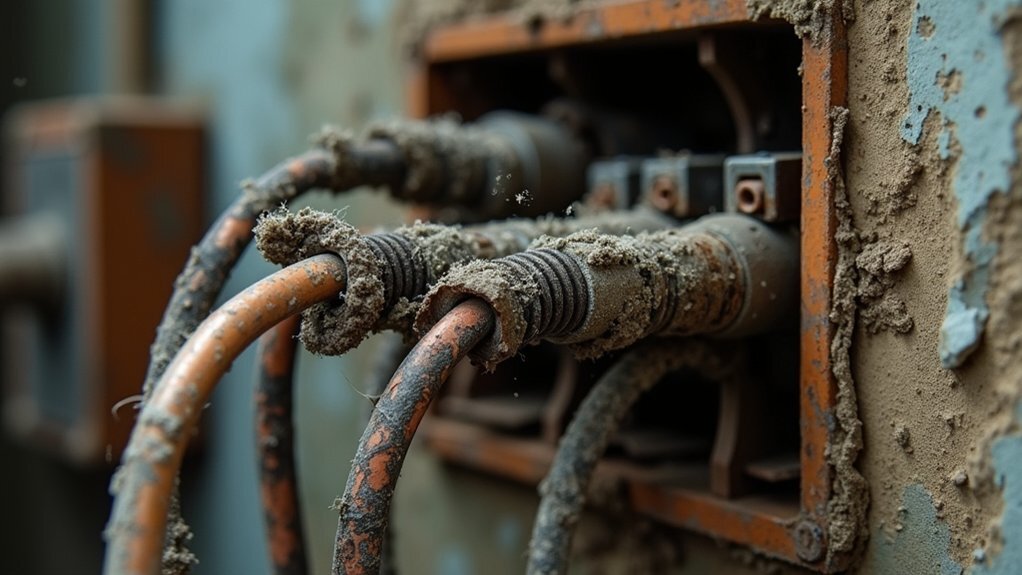
The Risks of Outdated Electrical Wiring in Older Properties
Outdated electrical wiring in older properties presents serious risks. It can cause fires due to overheating and deteriorating insulation, while also increasing the danger of electrocution from exposed wires. These old systems often can't handle modern appliance demands.
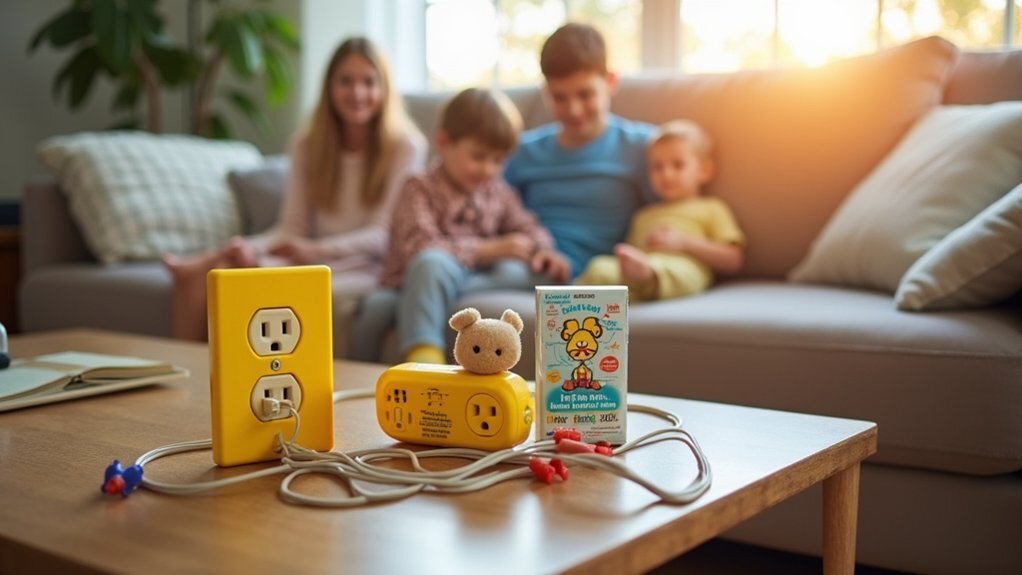
How to Teach Children Electrical Safety at Home
Learn essential strategies to teach your kids electrical safety at home. From understanding basic electricity concepts to recognizing hazards and establishing safety practices, discover how to protect your children from electrical dangers through engaging education and safety equipment.