Essential Electrical Tools Every Homeowner Should Own
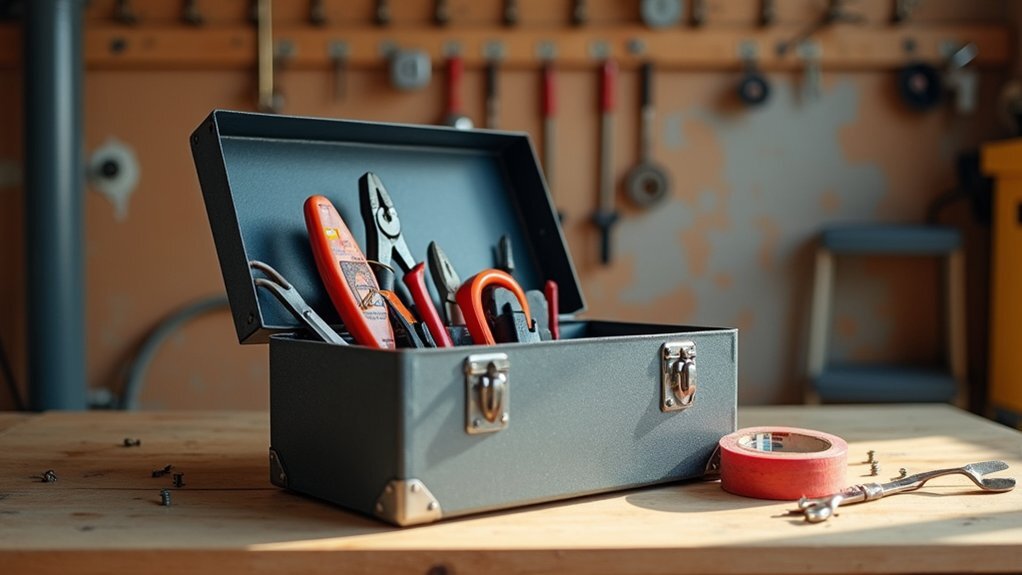
As a homeowner, it's vital to have essential electrical tools on hand. Start with testing tools like voltage testers and multimeters for safety. You'll also need cutting tools like wire strippers and snips, along with reliable drilling equipment such as cordless drills and screwdriver sets. Don't forget measuring tools and protective accessories like surge protectors and gang boxes. These items guarantee efficiency and safety. Keep exploring to discover even more tips on organizing and maximizing your tool collection!
Key Takeaways
- Non-contact voltage testers and multimeters ensure safe detection and measurement of electrical issues in your home.
- Wire strippers and cable cutters provide essential tools for clean wire preparation and cutting without damage.
- Cordless drills and impact drivers enable efficient installation and repairs with ease of use in various materials.
- Electrical gang boxes and surge protectors safeguard connections and devices from hazards and voltage spikes.
- Reliable tape measures and rafter squares ensure accurate measurements for electrical installations and projects.
Testing and Safety Tools
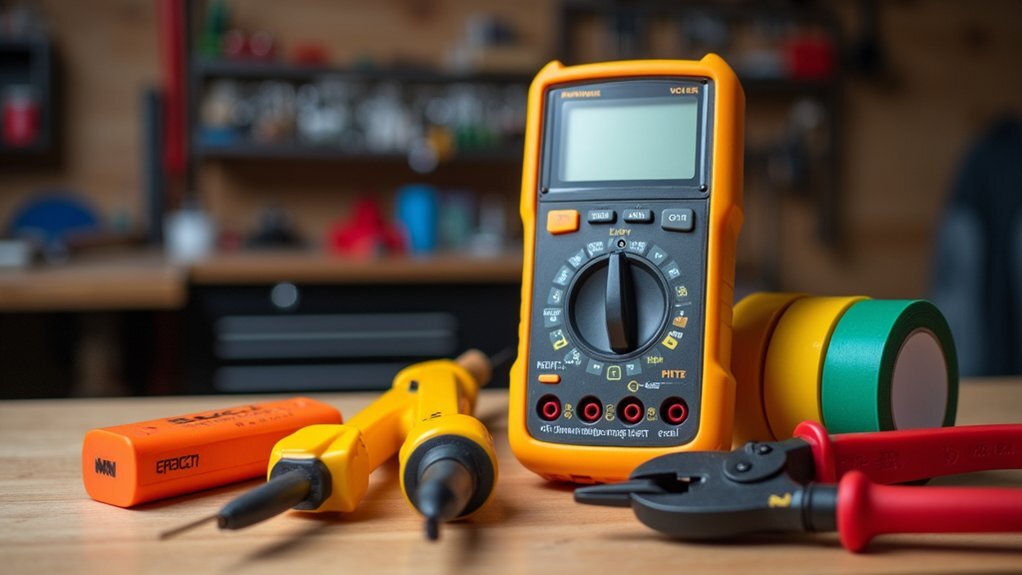
When it comes to tackling electrical work at home, having the right testing and safety tools is essential for your safety. Non-contact voltage testers let you detect live voltage without touching wires, making them crucial for identifying energized circuits before you start. Fluke 1AC II Non-Contact Voltage Tester guarantees that you can avoid accidental shock when working on outlets and wiring. GFCI and AFCI testers guarantee critical safety features in your home are functioning, preventing shocks and electrical fires. Circuit testers and breaker finders help you measure voltage, identify wiring issues, and locate breakers quickly. Continuity and grounding testers confirm your circuits are complete and properly grounded. Investing in voltage indicators and high-quality insulated tools further enhances your safety. Regular checks with these tools can prevent hazards and guarantee compliance with electrical safety standards in your home. For professional electrical work that requires advanced tools and expertise, consider our residential electrical services.
Cutting, Stripping, and Shaping Tools
Having the right cutting, stripping, and shaping tools can make all the difference in your electrical projects. Cable cutters are essential for cleanly cutting wires without fraying, while wire strippers let you remove insulation without damaging the conductor. For bending wire hooks, snips provide precision cuts, and crimping tools guarantee secure connections. Needle nose pliers help you work in tight spaces, making it easier to bend wire and snug connections around terminal screws. Don't underestimate the importance of screwdrivers, either; insulated and precision types protect against shocks and help secure components properly. Multimeter is also a vital tool that assists in diagnosing faults and verifying connections. Together, these tools form the backbone of your electrical toolkit, enabling you to tackle a variety of tasks with confidence and safety.
Fastening and Drilling Tools
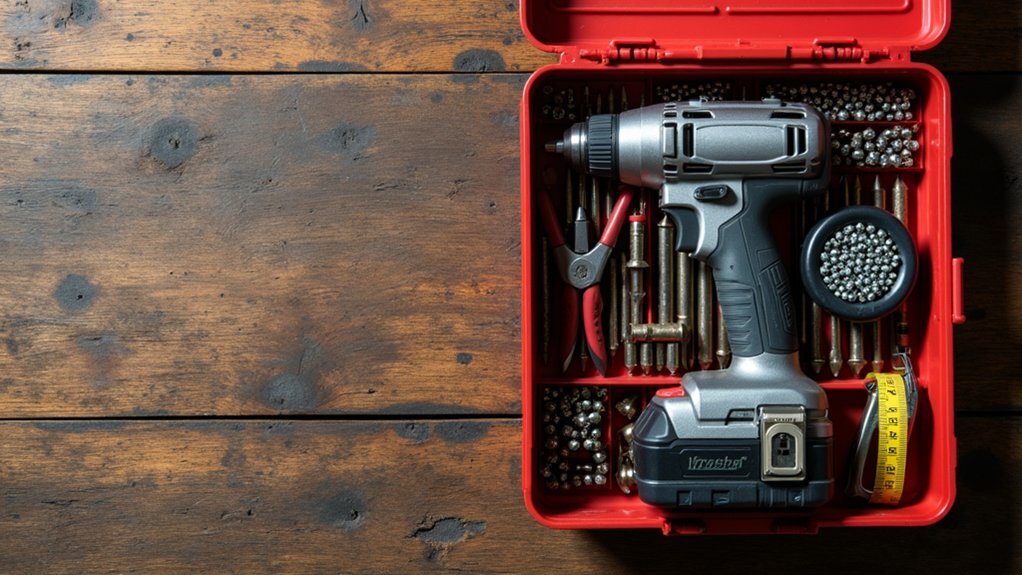
Once you've got your cutting, stripping, and shaping tools sorted, it's time to contemplate fastening and drilling tools that will help complete your electrical projects. A cordless drill is essential for efficiently driving screws and drilling holes in various materials, so opt for one in the 12-20 volt range. Don't forget a reliable screwdriver set, including both flat-head and Phillips types, which is crucial for tasks like furniture assembly. An adjustable wrench is handy for tightening bolts and nuts of different sizes. For heavy-duty jobs, consider an impact driver for larger fasteners, and a hammer drill with a hammer setting will help you tackle tough materials like concrete. Having the right tools makes your projects quicker and easier!
Measuring and Layout Tools
Accurate measurements and layouts are essential for successful electrical projects, ensuring everything fits and functions as intended. Start with a reliable tape measure for precise wiring distances and fixture placements. Consider digital options for enhanced accuracy. Multimeters and voltage testers are invaluable; use them to check voltage, current, and outlet wiring before starting any work. Non-contact voltage testers enhance safety by detecting live wires without direct contact. For complex layouts, rafter squares and protractors help you measure angles accurately, vital for installations like solar panels. Finally, investing in wire pulling tools simplifies the process of routing wires through walls and ceilings. With these measuring and layout tools, you'll tackle your electrical tasks confidently and safely. Additionally, incorporating electrical measuring instruments into your toolkit can significantly improve the reliability of your electrical installations.
Connection and Protection Accessories
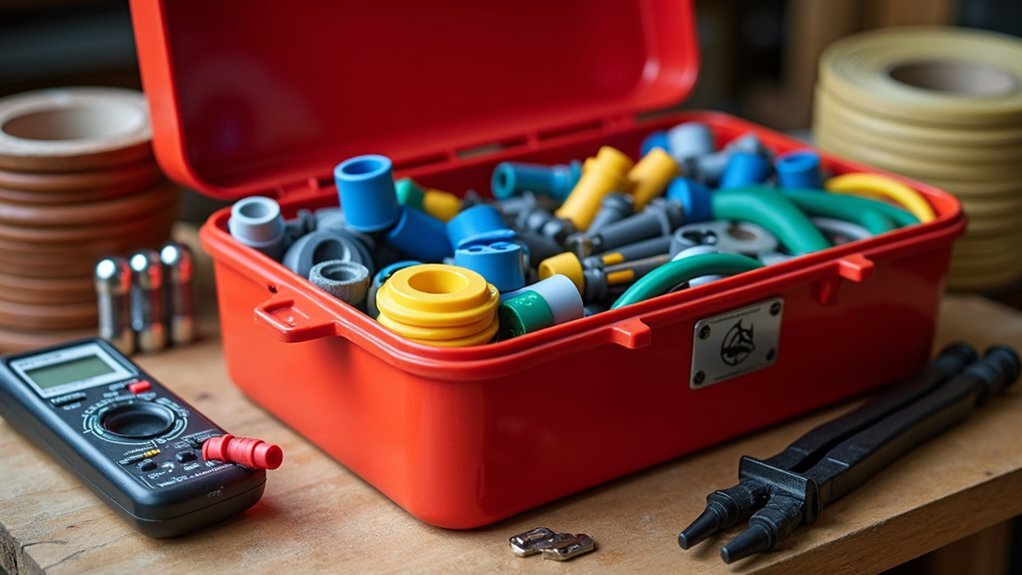
When you tackle electrical projects, using the right connection and protection accessories is crucial for safety and functionality. Electrical gang boxes encase connections, preventing accidental contact with live wires and supporting an organized wiring system. Surge protectors safeguard your devices from voltage spikes, vital in storm-prone areas. Extension cords and power strips offer flexible power access, but remember to avoid overloading them. Wire connectors guarantee strong, secure splices, reducing the risk of arcing and electrical fires. Finally, safety accessories like GFCIs and weatherproof covers protect against shocks and moisture. Regularly maintaining these items helps prevent hazards, guaranteeing your home's electrical system remains safe and reliable. Regular inspections promote electrical safety, so be sure to check your accessories frequently. Invest in these accessories to enhance your DIY projects effectively. For professional installation of protection devices, contact our expert team.
General Handyman Electrical Tools
Equipping yourself with essential handyman electrical tools can make your DIY projects safer and more efficient. Start with wire strippers that allow you to remove insulation without damaging the conductor, ensuring proper connections. Adjustable models help you work on various wire gauges. Next, pliers, including needle-nose and lineman's, are crucial for gripping, twisting, and cutting wires, especially in tight spaces. Insulated screwdrivers protect against electrical shock while fastening or loosening screws on live components. A utility knife, or electrician's knife, is great for cutting and stripping cables. Finally, a cordless drill offers power and portability for drilling holes and driving screws, making installations smoother. Cordless drills are an essential tool for any homeowner tackling electrical tasks, providing the versatility needed for various projects. These tools are affordable and essential for any homeowner tackling electrical tasks.
Voltage Tester: A Must-Have for Safety
A voltage tester is an essential safety tool for any homeowner tackling electrical tasks. It helps you detect live wires and guarantees your safety while working on electrical systems. Non-contact voltage testers (NCVTs) allow you to check for voltage without touching wires, greatly reducing your risk of electrical shock. Always verify your tester's functionality on a known live source before use to avoid false negatives. Remember, while NCVTs are great for quick checks, they shouldn't be your only tool; consider a contact voltage tester for more precise diagnostics. Regular maintenance, like replacing batteries and inspecting for damage, keeps your tester reliable. Investing in a quality voltage tester guarantees you can safely manage your home's electrical needs. Additionally, ensure your tester meets safety standards established by independent labs to maximize protection against high-energy impulses. When in doubt about electrical safety, always consult with our professional electricians.
The Importance of a Multimeter
Understanding the importance of a multimeter is essential for homeowners tackling electrical projects. This versatile tool measures voltage, current, and resistance, making it invaluable for diagnosing electrical issues. You can test batteries, wall plugs, and circuits, ensuring they operate safely. A multimeter also identifies critical problems like short circuits, preventing potential hazards. With user-friendly interfaces, even DIY enthusiasts can perform basic checks confidently. Plus, safety features like high-energy fuses and overload protections enhance your protection during use. Affordable entry-level models are available, making them accessible for everyone. By learning to use a multimeter, you empower yourself to tackle common household electrical problems, ensuring a safer and more efficient home environment. Moreover, the multimeter is an indispensable tool for ensuring the safe and efficient functioning of electrical circuits.
Essential Drilling Tools for Home Projects
When tackling home projects, having the right drilling tools can make all the difference in achieving professional results. You'll want a cordless drill for portability and convenience, or a corded drill for more power on tougher tasks. A hammer drill is essential for masonry work, while a hand drill is perfect for precision tasks in softer materials. Don't forget a benchtop drill press if you need accuracy for specialized projects. Homo Sapiens used sharp rocks for rotary drilling long ago, showcasing the longstanding importance of drilling tools in human craftsmanship. Equip yourself with the right bits, like twist bits for general use and masonry bits for concrete. Always consider features like voltage, amperage, and ergonomics to choose the best drill. With the right tools, you'll tackle any home project with confidence and ease.
Organizing Your Electrical Tool Collection
Organizing your electrical tool collection is essential for maximizing efficiency and productivity in your home projects. Start by designing your workspace around key areas like your workbench, cutting station, and tool storage using the "workshop triangle" concept. Group tools by function to create dedicated zones that streamline your tasks. Use shallow drawers for smaller tools and deep drawers for bulkier items, labeling everything for quick identification. Consider DIY storage solutions like wall-mounted hangers made from Romex scraps or repurposed materials. Utilizing hooks made from copper wire can provide a flexible and inexpensive way to keep your tools visible and easily accessible. Invest in customizable tool cabinets for flexibility, and keep cords organized overhead to maintain safety. With these strategies, you'll simplify your workflow and enhance your project efficiency.
Frequently Asked Questions
How Often Should I Replace My Electrical Tools?
You should replace your electrical tools when you notice increased noise, vibrations, or a decline in performance. If tools frequently break down or show deterioration in precision, it's time for an upgrade. Regularly check for signs of wear and follow the manufacturer's recommended lifespan. Annual inspections help you catch issues early, ensuring your tools remain safe and efficient. Keeping them well-maintained can extend their life, but don't hesitate to replace when necessary.
Can I Use Regular Tools for Electrical Work?
No, you shouldn't use regular tools for electrical work. They lack the necessary insulation and grounding, which increases the risk of electric shock and fire hazards. Regular tools can conduct electricity and may cause serious injuries if they come into contact with live wires. Always opt for tools specifically designed for electrical tasks, as they provide the safety features needed to work with electrical systems safely and effectively. Your safety's worth it!
Where Should I Store My Electrical Tools?
You should store your electrical tools in a designated area that keeps them organized and easily accessible. Use pegboards to hang tools visibly, and install magnetic strips for metal items like screwdrivers. Consider tool cabinets with adjustable dividers for larger items, and portable tool caddies for mobility. Incorporate drawer organizers for small accessories to maintain order. By optimizing your storage, you'll streamline your projects and reduce clutter in your workspace.
Are There Specific Tools for Beginners?
Yes, there are specific tools for beginners! You should start with wire strippers and cutters for handling different wire gauges. A non-contact voltage tester is essential for safety, letting you check for live wires without risk. Insulated screwdrivers protect you while working on outlets, and needle-nose pliers help you reach tight spots. Look for ergonomic designs and multi-function tools to simplify your tasks and make your learning experience smoother.
How Do I Maintain My Electrical Tools?
To maintain your electrical tools, clean them regularly with suitable solutions, avoiding harsh chemicals. Inspect for wear or damage before and after each use, and lubricate moving parts to prevent corrosion. Test and calibrate tools as per manufacturer guidelines, addressing any malfunctions immediately. Store them in dry, clean areas to protect against damage, and guarantee you handle them carefully, using proper personal protective equipment when needed. Regular checks will keep them in top shape.
Need Professional Electrical Services?
Trust the experts at Darby Electric Service for all your electrical needs in Arlington, TX.
Related Articles

Battery Storage Systems Explained: Powering Your Home During Outages
Learn how battery storage systems provide reliable backup power during outages, integrate with solar panels, and enhance your home's energy independence.

The Future of Energy: How Solar Power Integrates With Modern Electrical Systems
Discover how solar power's rapid growth and innovative technologies are transforming modern electrical systems, creating sustainable energy solutions for residential, commercial, and industrial applications.
How Infrared Scanning Detects Electrical Problems Before They Start
Discover how infrared thermal imaging technology identifies overheating components, loose connections, and potential electrical failures before they become costly emergencies.
Understanding the Difference Between Single-Phase and Three-Phase Power
Learn the key differences between single-phase and three-phase power systems, including efficiency, cost, load handling, and practical applications for residential, commercial, and industrial use.
How to Plan for an Electrical System Expansion in a Growing Business
Learn how to effectively plan for electrical system expansion in your growing business, from assessing infrastructure to implementing energy-efficient solutions and ensuring compliance with safety regulations.
Why Every Business Should Consider an Electrical Maintenance Contract
Discover why electrical maintenance contracts are essential for business success, offering cost savings, enhanced safety, reduced downtime, and improved operational efficiency while protecting your investment.

How Lighting Design Impacts Employee Productivity and Mood
Discover how effective lighting design can boost productivity by over 60%, improve employee mood, and create significant cost savings through strategic implementation of natural and artificial lighting solutions.
Understanding Your Home's Electrical Code Requirements
Learn about essential electrical code requirements for your home, including 2025 updates for EV charging, safety enhancements, and compliance standards to keep your property safe and up to code.

The Hidden Dangers of DIY Electrical Repairs
DIY electrical repairs can hide serious dangers. You risk electrocution, as many accidents lead to deaths and injuries each year. Without expertise, you may create fire hazards that can damage your property and invalidate your homeowners' insurance.
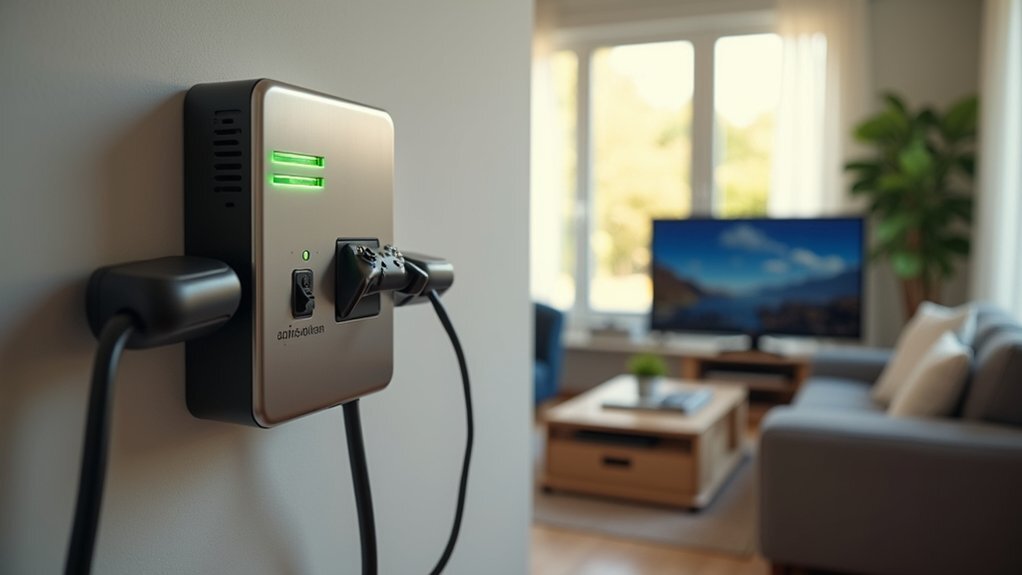
How Whole-Home Surge Protection Keeps Your Electronics Safe
Whole-home surge protection keeps your electronics safe by acting as a robust defense against electrical surges. Installed at your main electrical panel, it uses advanced technologies like Metal Oxide Varistors to absorb excess voltage and divert it safely to ground.
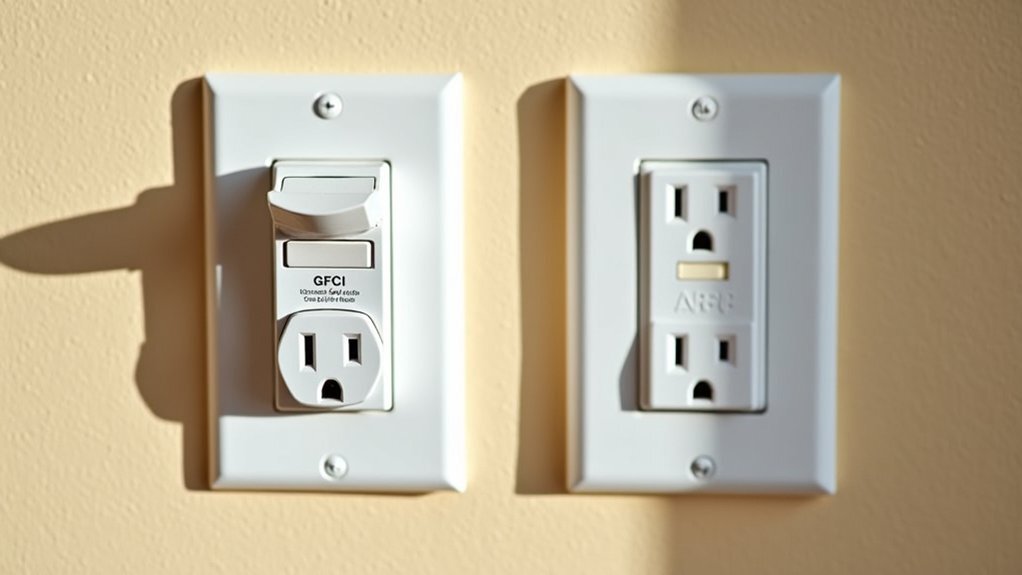
What Is the Difference Between GFCI and AFCI Outlets?
GFCI and AFCI outlets have different safety roles in your home. GFCIs protect against electrical shocks by shutting off power when they detect imbalances in electrical current, while AFCIs prevent electrical fires by identifying dangerous arcing conditions in wiring.
Why You Should Switch to Copper Wiring for Home Safety
Switching to copper wiring is essential for your home's safety. Copper offers superior electrical conductivity, reducing energy loss and minimizing fire risks. Learn about its durability, cost-effectiveness, and compliance with safety codes.
Generator Installation and Maintenance: What Homeowners Need to Know
When it comes to generator installation and maintenance, you've got to get it right for safety and efficiency. Learn about proper placement, electrical connections, maintenance routines, and safety guidelines for reliable backup power.
Smart Thermostats: Are They Worth the Investment?
Smart thermostats can cut your energy bills by 10-15% while enhancing comfort and convenience. Learn about their features, benefits, and whether they're worth the investment for your home.

Steps to Lower Your Electricity Bill Without Major Upgrades
Discover simple yet effective strategies to reduce your electricity costs without expensive home renovations. Learn about thermostat optimization, appliance efficiency, and energy-saving habits.

Electric Vehicle Charging Station Installation for Residences
Learn how to install an electric vehicle charging station at home with expert guidance on charger types, electrical requirements, permits, and professional installation.
How Often Should I Schedule Professional Electrical Inspections?
Learn the recommended frequency for residential and commercial electrical inspections to keep your property safe and compliant with electrical codes.

Smart Home Electrical Upgrades That Boost Comfort and Security
Discover how smart home electrical upgrades can enhance your comfort, security, and energy efficiency while increasing your property value.

Outdoor Lighting Design and Installation Tips for Businesses
Achieve a stunning outdoor lighting design for your business that enhances safety and aesthetics—discover essential tips to illuminate your space effectively.
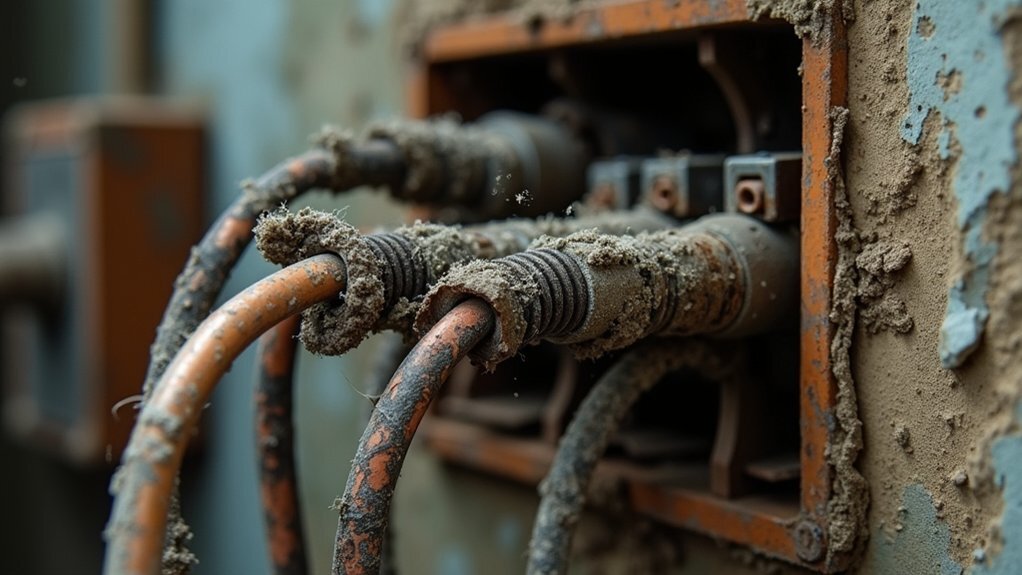
The Risks of Outdated Electrical Wiring in Older Properties
Outdated electrical wiring in older properties presents serious risks. It can cause fires due to overheating and deteriorating insulation, while also increasing the danger of electrocution from exposed wires. These old systems often can't handle modern appliance demands.
How to Teach Children Electrical Safety at Home
Learn essential strategies to teach your kids electrical safety at home. From understanding basic electricity concepts to recognizing hazards and establishing safety practices, discover how to protect your children from electrical dangers through engaging education and safety equipment.