How to Plan for an Electrical System Expansion in a Growing Business
To plan for an electrical system expansion in your growing business, start by evaluating your current infrastructure and equipment. Identify future power needs through load analysis and guarantee compliance with safety regulations. Upgrade electrical panels and wiring as necessary, and consider energy-efficient solutions to reduce your footprint. Engaging qualified professionals will help you implement these changes safely. Want to guarantee you're fully prepared for expansion? There's more to explore on making your electrical system robust.
Key Takeaways
- Conduct a thorough load analysis to assess current and future power needs before planning any electrical system expansion.
- Upgrade electrical panels and conductors to accommodate increased demand and ensure safety compliance with NEC and local codes.
- Engage qualified electricians for installation and maintenance, ensuring adherence to safety protocols and industry standards throughout the expansion process.
- Implement continuous condition monitoring and preventive maintenance practices to identify potential issues and reduce unplanned downtime.
- Explore energy-efficient solutions and sustainable energy sources to minimize the environmental impact and promote long-term savings during the expansion.
Assessing Current Electrical Infrastructure
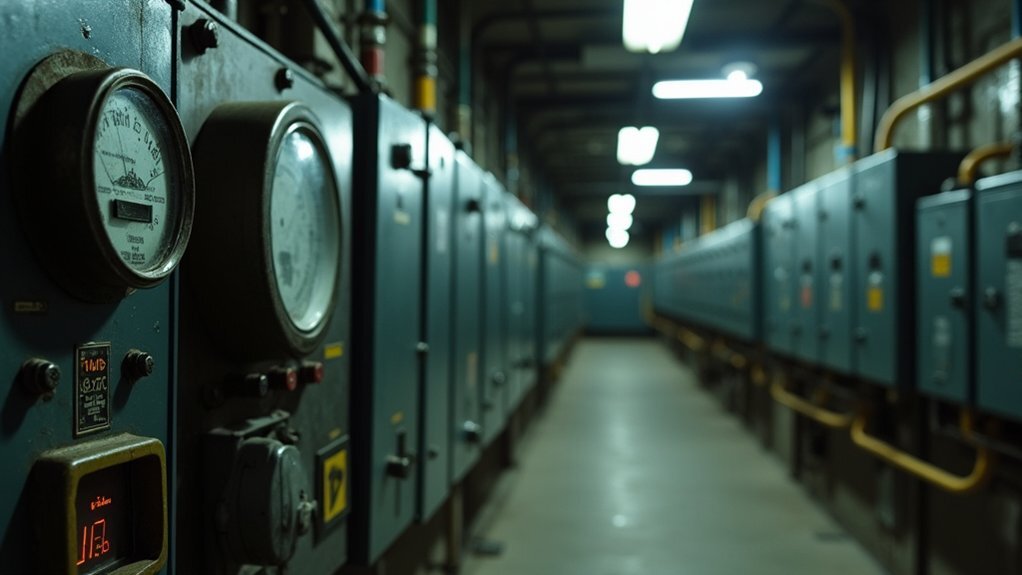
When evaluating your current electrical infrastructure, it's essential to start with an extensive inventory of all equipment. Catalog everything from transformers to backup systems, guaranteeing you have a complete overview. Verify that your single-line diagrams accurately reflect the current configuration; update them where necessary. Gather maintenance records and compliance documentation to pinpoint historical issues and patterns. Document the age, condition, and specifications of key components to assess their remaining useful life. Centralizing this information enhances accessibility, enabling informed decision-making. Additionally, conduct a risk analysis to identify potential vulnerabilities, focusing on components that could disrupt your system. This thorough assessment sets the foundation for effective expansion planning and helps guarantee reliability as your electrical demands grow. Moreover, identifying risks during this process is crucial to ensure that you address potential weaknesses that could impact system performance.
Electrical Panels and Circuit Upgrades
After evaluating your current electrical infrastructure, it's clear that upgrading electrical panels and circuits may be necessary to meet your evolving needs. If your aging panel can't handle modern demands, or if you're frequently tripping circuit breakers, it's time to act. Expansion—like adding machinery or upgrading HVAC—often requires these upgrades. Start with a load analysis to assess current and future power needs. Engage a licensed electrician through our commercial electrical services for a professional evaluation, as this isn't a DIY project. Consider temporary power solutions during the upgrade to minimize downtime. Choose high-quality, UL-listed panels with sufficient amperage and circuit spaces. By ensuring compliance with codes, you'll guarantee it meets both current and anticipated demands, enhancing safety and operational efficiency.
Compliance With Codes and Regulations
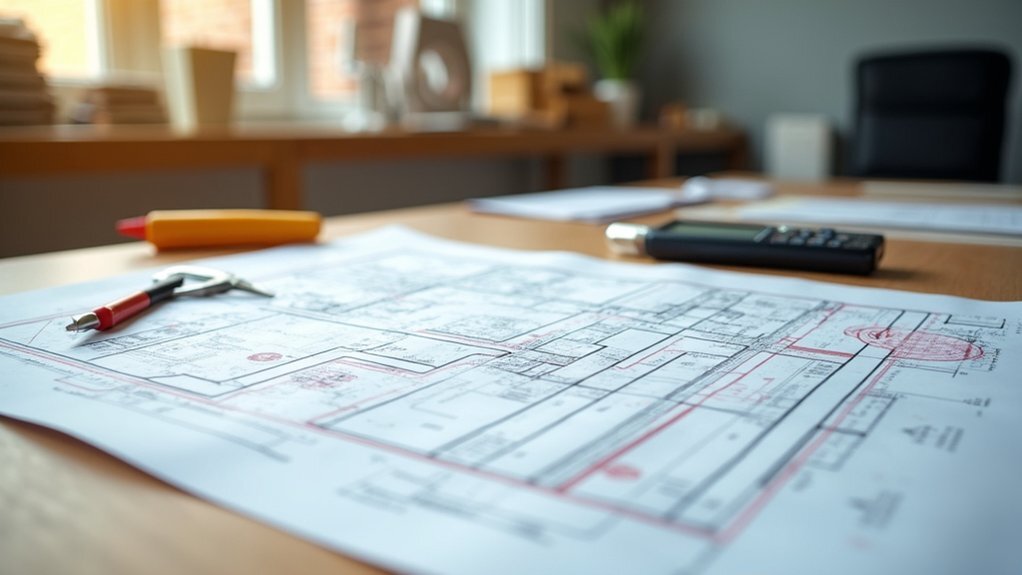
Guaranteeing compliance with codes and regulations is essential for the safety and efficiency of your electrical system. The National Electrical Code (NEC) establishes minimum installation standards, but remember that local codes may have additional requirements. Staying updated on NEC revisions is critical, as they can impact safety and operational efficiency. Regular inspections help identify potential issues and guarantee compliance, while understanding the intent behind codes aids in effective implementation. Additionally, with new standards focusing on energy efficiency and worker safety, it's significant to adapt your designs accordingly. By adhering to these regulations through our commercial electrical services, you not only mitigate hazards but also prevent legal complications, guaranteeing a reliable and safe electrical system for your growing business. Future expansion considerations should also be integrated into your planning to avoid overloaded circuits and ensure long-term functionality.
Load and Wiring Planning
Effective load and wiring planning is essential for accommodating your electrical system's future needs. Start by calculating your electrical load using the formula: Load = Voltage × Current. For three-phase systems, divide total load by system voltage times the square root of 3 to find current demand. Identify continuous and non-continuous loads separately for accuracy. Categorize loads into lighting, receptacles, HVAC, and specialized equipment, applying demand factors to avoid oversizing. When sizing conductors, guarantee ampacity meets or exceeds calculated load current, considering voltage drop for longer runs. Additionally, understanding the relationship between watts, volts, and amps is crucial for precise calculations. Finally, coordinate overcurrent protection devices with conductor ampacity to guarantee safety and code compliance. This structured approach will help you effectively manage your electrical system as your business grows.
Energy Efficiency and Sustainable Design
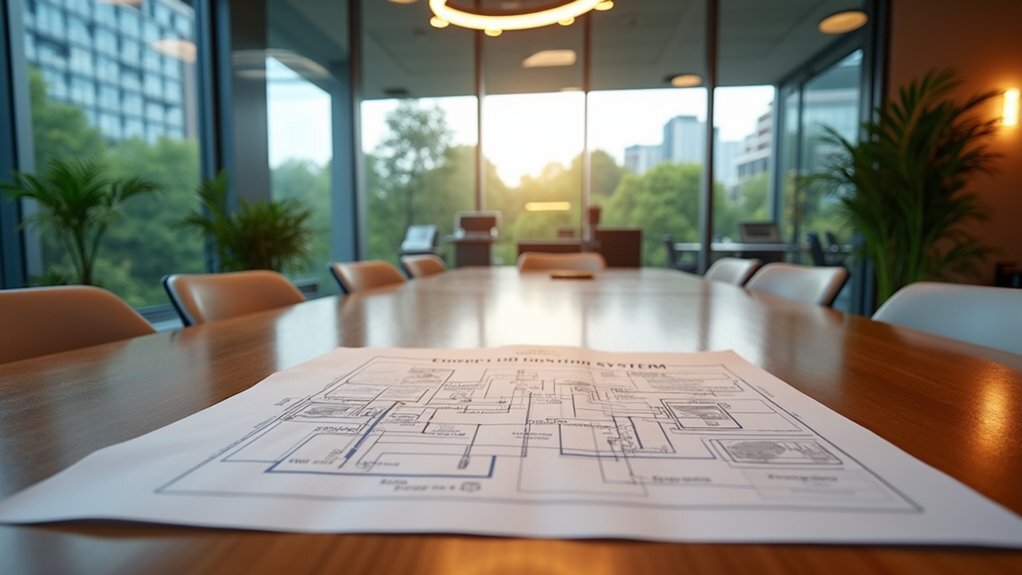
As you plan for electrical system expansion, prioritizing energy efficiency and sustainable design is essential for both reducing operational costs and minimizing environmental impact. Start by implementing smart meters and IoT devices for real-time monitoring, which can cut unnecessary energy use. Aim for automation and control systems that can reduce energy costs by up to 20% in just six months. Consider optimizing your lighting systems with energy-efficient products to lower electricity use and light pollution. Also, integrating renewable energy sources like solar and wind not only boosts sustainability but aligns with regulatory frameworks. Finally, choose durable, recyclable materials to support long-term cost savings and meet green building standards, enhancing your business's competitive edge. To further enhance your sustainability efforts, focus on designing for longevity to ensure that your electrical systems remain efficient and reusable over time.
Installation and Safety Protocols
With energy efficiency and sustainable design in place, the focus now shifts to the critical aspects of installation and safety protocols. Ensuring compliance with the National Electrical Code (NEC) is essential; familiarize yourself with important articles like 210 for branch circuits and 250 for grounding. Always use personal protective equipment (PPE) such as insulated gloves and safety glasses, and maintain well-lit, clearly marked work zones. Proper grounding and bonding reduce electrical hazards, while regular inspections identify potential risks. Don't forget to integrate fire safety measures, including alarms and emergency lighting, to protect occupants. By adhering to these protocols through qualified electrical professionals, you safeguard people and property, paving the way for a successful electrical system expansion. To avoid compliance failures, be aware that many installations fail inspections due to overlooked details and misinterpretations of code requirements.
Engaging Qualified Professionals
When planning for electrical system expansion, engaging qualified professionals can make all the difference in ensuring a smooth and successful process. Look for experts with the right licenses and certifications, as well as experience in similar projects. Their expertise helps assess your current systems and predict future needs, ensuring compliance with safety regulations. Professionals like electrical engineers, project managers, and safety inspectors play key roles in this process. They design optimized systems, reduce risks, and ultimately save you costs by leveraging existing infrastructure. Additionally, these professionals can help you anticipate future electrical load growth, ensuring your system can accommodate both current demands and potential expansions. Don't forget to check recommendations and reviews, ensuring your chosen professionals stay updated with the latest technologies and industry standards. Contact our team to discuss your electrical expansion needs with qualified specialists. Investing in qualified specialists sets the foundation for a reliable electrical expansion.
Long-term Maintenance and Monitoring
To guarantee your electrical system remains efficient and reliable over time, long-term maintenance and monitoring are essential. Implement continuous condition monitoring with sensors that track temperature and vibration in real time. This approach helps identify potential faults early, reducing unplanned downtime and costly repairs. Additionally, condition monitoring can increase the likelihood of early fault detection, allowing for timely corrective actions. Schedule periodic inspections to detect wear, using tools like infrared thermography to uncover hidden issues. Establish preventive maintenance practices to service equipment regularly, optimizing resources and minimizing failures. Always document your inspections and repairs to support compliance and track trends. Don't forget to prioritize safety with proper PPE and lockout/tagout procedures during maintenance. By investing in these strategies through our commercial electrical services, you'll enhance system longevity and guarantee consistent power uptime for your business.
Planning for Future Growth
As your business evolves, proper planning for future growth in your electrical system becomes essential. Start by estimating and forecasting your power needs by evaluating new processes and equipment. Use load forecasting to predict peak demands and factor in redundancy to guarantee reliability. Examine your current electrical infrastructure, upgrading panels and wiring as necessary. Collaborate with utility providers early to confirm capacity upgrades, as proactive engagement with utilities can identify solutions for power needs. Make certain your expansion complies with all relevant codes and safety regulations, incorporating periodic audits. Engage experienced contractors for detailed designs and integrated installation, while considering energy-efficient solutions that reduce your load footprint. Finally, plan for scalability and sustainable energy sources to future-proof your electrical system against growth challenges. Contact us today to start planning your electrical system expansion.
Frequently Asked Questions
How Can I Reduce Electrical Costs During Expansion?
To reduce electrical costs during expansion, start by upgrading to energy-efficient lighting and smart thermostats. Negotiate energy contracts that secure lower rates and conduct utility audits to catch billing errors. Consider using renewable energy sources like solar panels, and implement regular inspections to maintain efficiency. Also, leverage available rebates for energy-saving upgrades and foster an energy-conscious culture among your staff to guarantee everyone contributes to reducing costs effectively.
What Are the Signs of an Outdated Electrical System?
Signs of an outdated electrical system include frequent circuit breaker trips, flickering or dimming lights, and overheating outlets or panels. You might notice warm outlets or discoloration, which indicate overheating risks. Visible wear like cracked wires or rusted panels suggests aging infrastructure. If you're relying heavily on extension cords, it's a clear sign your system isn't keeping up. Address these issues quickly to avoid safety hazards and costly downtime in your business.
How Long Does an Electrical System Upgrade Typically Take?
An electrical system upgrade typically takes anywhere from a few hours to several weeks, depending on the project's scope. For minor upgrades, you might only need a day, while larger panel upgrades usually require 1-2 days. If you're looking at complete rewiring, expect it to last 1-3 weeks. Remember, scheduling with utility companies and obtaining permits can add additional time, so plan accordingly to minimize disruptions to your operations.
What Financing Options Are Available for Electrical Upgrades?
You've got several financing options for electrical upgrades. Traditional business loans from banks or credit unions can offer lower interest rates. Consider the GoGreen Business Energy Financing Program for up to 100% financing without upfront costs. Utility-sponsored programs like PG&E's Energy Efficiency Financing provide loans up to $5 million. Don't overlook alternative solutions, such as equipment leasing or microloans for smaller projects, which can help manage your budget effectively.
How Can I Educate My Staff About Electrical Safety?
To educate your staff about electrical safety, start with interactive training sessions that include hands-on demonstrations. Cover essential topics like common hazards, safe work practices, and proper PPE usage. Use real-life case studies to emphasize the importance of safety. Regular refresher courses and accessible resources, like manuals and posters, are crucial. Encourage open communication, allowing employees to report hazards without fear, fostering a culture of safety throughout your organization.
Need Professional Electrical Services?
Trust the experts at Darby Electric Service for all your electrical needs in Arlington, TX.
Related Articles
Battery Storage Systems Explained: Powering Your Home During Outages
Learn how battery storage systems provide reliable backup power during outages, integrate with solar panels, and enhance your home's energy independence.
The Future of Energy: How Solar Power Integrates With Modern Electrical Systems
Discover how solar power's rapid growth and innovative technologies are transforming modern electrical systems, creating sustainable energy solutions for residential, commercial, and industrial applications.
How Infrared Scanning Detects Electrical Problems Before They Start
Discover how infrared thermal imaging technology identifies overheating components, loose connections, and potential electrical failures before they become costly emergencies.
Understanding the Difference Between Single-Phase and Three-Phase Power
Learn the key differences between single-phase and three-phase power systems, including efficiency, cost, load handling, and practical applications for residential, commercial, and industrial use.
Why Every Business Should Consider an Electrical Maintenance Contract
Discover why electrical maintenance contracts are essential for business success, offering cost savings, enhanced safety, reduced downtime, and improved operational efficiency while protecting your investment.

How Lighting Design Impacts Employee Productivity and Mood
Discover how effective lighting design can boost productivity by over 60%, improve employee mood, and create significant cost savings through strategic implementation of natural and artificial lighting solutions.
Understanding Your Home's Electrical Code Requirements
Learn about essential electrical code requirements for your home, including 2025 updates for EV charging, safety enhancements, and compliance standards to keep your property safe and up to code.

The Hidden Dangers of DIY Electrical Repairs
DIY electrical repairs can hide serious dangers. You risk electrocution, as many accidents lead to deaths and injuries each year. Without expertise, you may create fire hazards that can damage your property and invalidate your homeowners' insurance.
How Whole-Home Surge Protection Keeps Your Electronics Safe
Whole-home surge protection keeps your electronics safe by acting as a robust defense against electrical surges. Installed at your main electrical panel, it uses advanced technologies like Metal Oxide Varistors to absorb excess voltage and divert it safely to ground.
Essential Electrical Tools Every Homeowner Should Own
Discover the must-have electrical tools for every homeowner. From voltage testers to wire strippers, learn about the essential equipment that ensures safety and efficiency in your electrical projects.
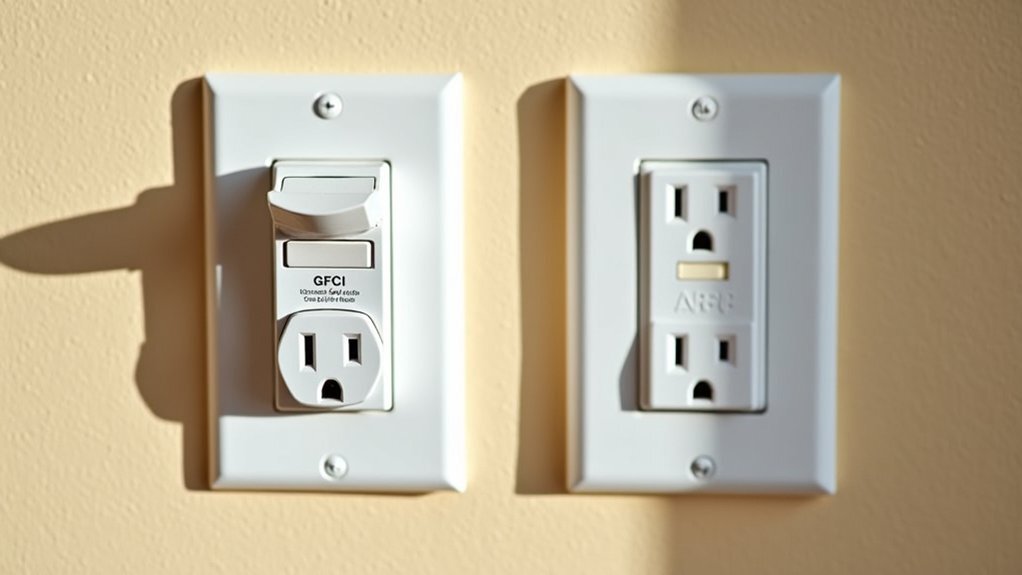
What Is the Difference Between GFCI and AFCI Outlets?
GFCI and AFCI outlets have different safety roles in your home. GFCIs protect against electrical shocks by shutting off power when they detect imbalances in electrical current, while AFCIs prevent electrical fires by identifying dangerous arcing conditions in wiring.
Why You Should Switch to Copper Wiring for Home Safety
Switching to copper wiring is essential for your home's safety. Copper offers superior electrical conductivity, reducing energy loss and minimizing fire risks. Learn about its durability, cost-effectiveness, and compliance with safety codes.
Generator Installation and Maintenance: What Homeowners Need to Know
When it comes to generator installation and maintenance, you've got to get it right for safety and efficiency. Learn about proper placement, electrical connections, maintenance routines, and safety guidelines for reliable backup power.
Smart Thermostats: Are They Worth the Investment?
Smart thermostats can cut your energy bills by 10-15% while enhancing comfort and convenience. Learn about their features, benefits, and whether they're worth the investment for your home.

Steps to Lower Your Electricity Bill Without Major Upgrades
Discover simple yet effective strategies to reduce your electricity costs without expensive home renovations. Learn about thermostat optimization, appliance efficiency, and energy-saving habits.

Electric Vehicle Charging Station Installation for Residences
Learn how to install an electric vehicle charging station at home with expert guidance on charger types, electrical requirements, permits, and professional installation.
How Often Should I Schedule Professional Electrical Inspections?
Learn the recommended frequency for residential and commercial electrical inspections to keep your property safe and compliant with electrical codes.

Smart Home Electrical Upgrades That Boost Comfort and Security
Discover how smart home electrical upgrades can enhance your comfort, security, and energy efficiency while increasing your property value.

Outdoor Lighting Design and Installation Tips for Businesses
Achieve a stunning outdoor lighting design for your business that enhances safety and aesthetics—discover essential tips to illuminate your space effectively.
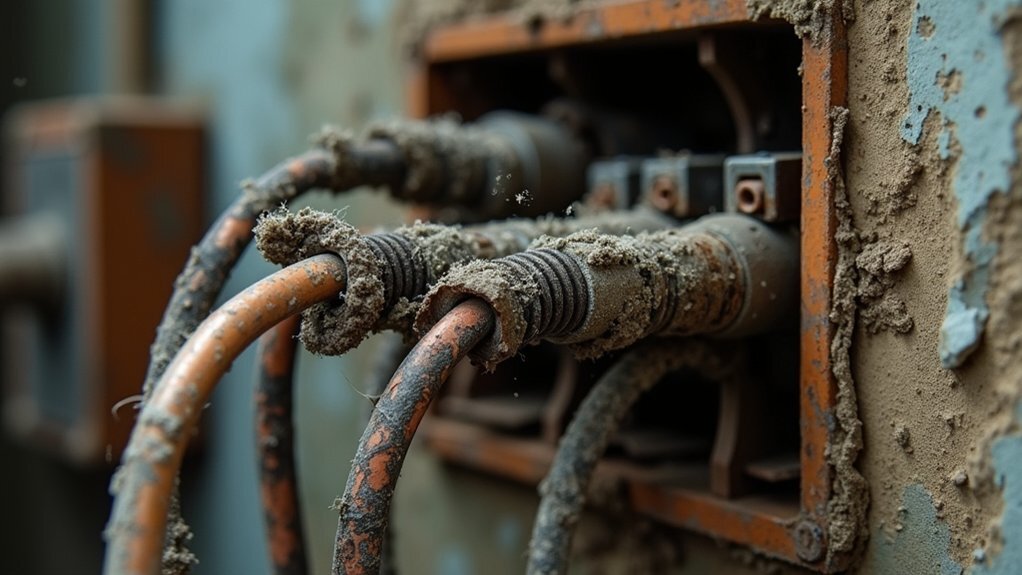
The Risks of Outdated Electrical Wiring in Older Properties
Outdated electrical wiring in older properties presents serious risks. It can cause fires due to overheating and deteriorating insulation, while also increasing the danger of electrocution from exposed wires. These old systems often can't handle modern appliance demands.

How to Teach Children Electrical Safety at Home
Learn essential strategies to teach your kids electrical safety at home. From understanding basic electricity concepts to recognizing hazards and establishing safety practices, discover how to protect your children from electrical dangers through engaging education and safety equipment.